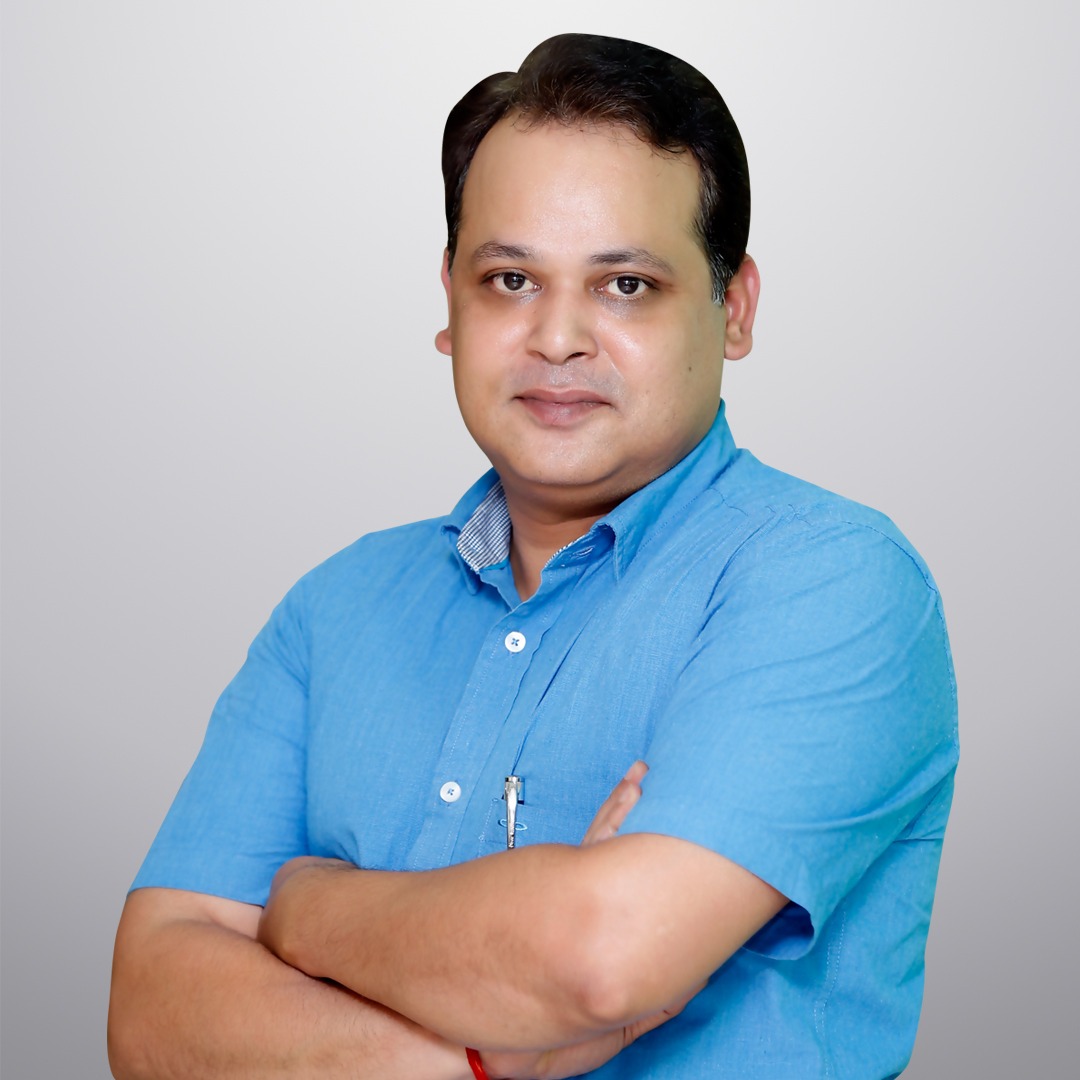
Dr. Shailendra Pratap Singh — Urologist & Kidney Transplant Surgeon, Lucknow

Book an Appointment

Dr. Shailendra Pratap Singh — Urologist & Kidney Transplant Surgeon Lucknow
⚕️ Urologist & Kidney Transplant Surgeon

Dr. Shailendra Pratap Singh

MBBS · MS (Surgery) · M.Ch — Urology  |  Charak Hospital, Lucknow
MBBS MS M.Ch (Urology) 🏥 NABH Hospital
0Years Exp.
₹900Consult Fee
Mon–SatOPD Days
10–3 PMOPD Timings

About Dr. Shailendra Pratap Singh

Dr. Shailendra Pratap Singh is a distinguished Urological Surgeon and Kidney Transplant Specialist with over 16 years of advanced surgical experience. He holds the prestigious M.Ch (Urology) super-speciality degree and serves as a senior consultant at the Institute of Urology & Kidney Transplant, Charak Hospital & Research Centre, Hardoi Road, Dubagga, Lucknow.

His clinical expertise spans the complete spectrum of urology: minimally invasive laser kidney stone surgery (PCNL, URSL, RIRS), live-donor and deceased-donor kidney transplantation, laparoscopic uro-oncology, endoscopic prostate surgery (TURP, HoLEP), reconstructive urology and paediatric urology. He combines surgical precision with a deeply patient-centred approach, ensuring every patient — from routine cases to the most complex — receives evidence-based, compassionate care.

🏥 Kidney Transplant Programme — Institute of Urology, Charak Hospital

  • Live-donor & deceased-donor kidney transplants performed at NOTTO-registered centre
  • Dedicated Transplant ICU with 24×7 nephrology & urology intensivist support
  • Complete pre-transplant workup on-site: HLA typing, crossmatch, cardiac & imaging evaluation
  • Structured immunosuppression protocol with lifelong post-transplant follow-up care
  • CGHS / ECHS / Insurance / TPA cashless facility available

Education & Qualifications

MBBS
Bachelor of Medicine & Bachelor of Surgery
Medical College, India
MS
MS — General Surgery
Postgraduate Surgical Training, India
M.Ch
M.Ch — Urology & Kidney Transplant (Super-Speciality)
Advanced Urological & Transplant Surgery Training, India

Areas of Expertise

🏥
Kidney Transplant

Live-donor and deceased-donor renal transplantation — full pre-transplant evaluation, surgery and lifelong immunosuppression management.

🔬
Laser Stone Surgery

Holmium laser PCNL (large stones), URSL (ureteric stones), RIRS (intrarenal stones) — minimally invasive, 90%+ stone-free rates.

🩺
Laparoscopic Urology

Keyhole nephrectomy, pyeloplasty, adrenalectomy, ureteroplasty and radical prostatectomy through minimal incisions.

💊
Prostate (BPH & Cancer)

TURP and HoLEP (Holmium Laser Enucleation) for BPH; nerve-sparing radical prostatectomy for prostate cancer.

🔴
Uro-Oncology

TURBT + BCG instillation for bladder cancer; radical cystectomy; partial and radical nephrectomy for kidney tumours.

Urinary Incontinence

Mid-urethral sling (TVT/TOT), bladder Botox injections and urodynamic evaluation for all types of urinary incontinence.

🧬
Male Urology & Infertility

Varicocelectomy, microsurgical sperm retrieval (TESA/PESA), vasectomy reversal and male sexual dysfunction treatment.

🔧
Reconstructive Urology

Buccal mucosal graft urethroplasty for urethral stricture, vesicovaginal fistula repair and complex ureteric reconstruction.

👶
Paediatric Urology

Hypospadias repair, UPJO pyeloplasty, orchidopexy, VUR management and paediatric laparoscopic procedures.

Procedures Performed

Kidney Transplant PCNL (Laser) URSL RIRS TURP HoLEP TURBT Radical Cystectomy Laparoscopic Nephrectomy Radical Prostatectomy Pyeloplasty Urethroplasty Mid-Urethral Sling Varicocelectomy TESA / PESA Hypospadias Repair Orchidopexy AV Fistula Creation Cystoscopy Ureteroscopy

Kidney Transplant Cost in Lucknow — Charak Hospital

Approximate package — final estimate after pre-transplant evaluation based on donor type, workup, ICU stay and medications.

Package ComponentApproximate Cost
Pre-Transplant Workup (Recipient + Donor) — HLA typing, crossmatch, cardiac & imaging₹40,000 – ₹60,000
Surgery — Live Donor Kidney Transplant₹2,50,000 – ₹3,50,000
Surgery — Deceased Donor Kidney Transplant₹3,00,000 – ₹4,50,000
Transplant ICU (5–7 days) + Ward (5–7 days)₹80,000 – ₹1,50,000
Immunosuppression Medications (First Year)₹80,000 – ₹1,20,000
Total Approximate Package₹4,00,000 – ₹8,00,000

* CGHS / ECHS / TPA / Insurance cashless available. Call 0522-666-4444 for personalised estimate.

Conditions Treated

Kidney Failure (CKD/ESRD) Kidney Stones Ureteric Stones BPH (Prostate Enlargement) Prostate Cancer Bladder Cancer Renal Cell Carcinoma Urinary Incontinence Recurrent UTI Urethral Stricture Hydronephrosis (UPJO) Male Infertility Varicocele Overactive Bladder Undescended Testis Hypospadias Vesicovaginal Fistula Interstitial Cystitis

OPD Schedule & Consultation

🏥 HospitalCharak Hospital & Research Centre, Dubagga, Lucknow
📅 OPD DaysMonday – Saturday
🕐 OPD Timings10:00 AM – 3:00 PM
🚨 Emergency24 × 7 Urology Emergency Available
💰 Consultation Fee₹900
📞 Appointment0522-666-4444
📍 AddressHardoi Road, near Safaid Masjid, Dubagga, Lucknow – 226003

Frequently Asked Questions — Urology & Kidney Transplant

Dr. Shailendra Pratap Singh's OPD is available Monday to Saturday, 10:00 AM to 3:00 PM at the Institute of Urology & Kidney Transplant, Charak Hospital & Research Centre, Hardoi Road, Dubagga, Lucknow – 226003. Consultation fee is ₹900. To book an appointment, call 0522-666-4444 or book online. 24×7 urology emergency services are also available.
The kidney transplant cost in Lucknow at Charak Hospital ranges from ₹4,00,000 to ₹8,00,000 for a complete package including pre-transplant workup (HLA typing, crossmatch, cardiac evaluation), surgery for recipient and live donor, Transplant ICU stay (5–7 days), ward charges and first-year immunosuppression medications. Deceased-donor transplants cost slightly more. CGHS, ECHS and TPA cashless insurance is available. Call 0522-666-4444 for a personalised estimate.
Yes. Dr. Singh performs all three types of laser kidney stone surgery at Charak Hospital:

URSL — Ureteroscopic laser lithotripsy for ureteric stones (4–15 mm). Day-care, discharge same day.
PCNL — Percutaneous Nephrolithotomy for large kidney stones (>2 cm) and staghorn calculi. Stay: 2–3 days.
RIRS — Flexible ureteroscopy for complex or multiple intrarenal stones. Very low risk, rapid recovery.

All are minimally invasive with stone-free rates above 90%. The best option is chosen based on stone size, location and number after evaluation.
Dialysis is a life-sustaining treatment that filters waste from blood artificially (3 times/week, 4 hours per session) when kidneys fail — it does not cure kidney failure. Kidney transplant replaces the failed kidney with a healthy donor kidney, restoring near-normal kidney function.

Why transplant is better for eligible patients:
► Freedom from 3 dialysis sessions per week
► Transplant patients live 10–15 years longer on average
► Near-normal diet and lifestyle; return to work within weeks
► Better energy, bone health and cardiovascular outcomes
► Lower long-term cost than years of dialysis

Dialysis remains the bridge to transplant and for patients not suitable for surgery. Dr. Singh evaluates each patient individually for transplant eligibility.
Both are minimally invasive endoscopic treatments for BPH (Benign Prostatic Hyperplasia / prostate enlargement) — no open incision required:

TURP (Transurethral Resection of Prostate) — tissue is removed through a scope inserted via the urethra. Standard procedure suitable for most prostate sizes. Hospital stay: 2–3 days. Relief from symptoms is immediate.

HoLEP (Holmium Laser Enucleation of the Prostate) — superior for large prostates (>80 gm). Completely bloodless, lower recurrence rate, catheter often removed next day. Hospital stay: 1–2 days.

Common symptoms needing treatment: weak urine stream, frequent urination especially at night, urgency, incomplete bladder emptying, recurrent UTI.
Eligibility criteria for kidney transplant:
► End-stage renal disease (ESRD) — eGFR below 15–20 mL/min, or on dialysis
► Compatible blood group and negative crossmatch between donor and recipient
► Medically fit — cardiac evaluation, infection and cancer screening must be clear
► A willing live donor (spouse, parent, sibling, child) or deceased donor through NOTTO

Pre-transplant workup at Charak Hospital includes:
HLA typing, T & B cell crossmatch, complete blood count, kidney and liver function, cardiac echo and stress test, infection screening (HIV, Hepatitis B/C, CMV, TB), urine culture, abdominal imaging and urological evaluation. All workup is available on-site.
Symptoms of urethral stricture (narrowing of the urine passage):
► Weak, split or spraying urine stream
► Straining or dribbling while urinating
► Incomplete bladder emptying; recurrent UTI
► In severe cases — complete urinary retention (acute emergency)

Treatment options at Charak Hospital:
Optical Urethrotomy (OIU) — endoscopic incision, suitable for short strictures. Day-care.
Urethroplasty (Buccal Mucosal Graft) — gold standard for long or recurrent strictures; a graft from the inner cheek is used to reconstruct the urethra. Long-term success rate >90%.
Without preventive measures, stones recur in 50% of patients within 5 years. Dr. Singh recommends a personalised recurrence prevention plan:

High fluid intake — 2.5–3 litres of water daily (keep urine pale yellow)
Stone type analysis — guides specific dietary and medication changes
► Reduce salt and animal protein; avoid high-oxalate foods (spinach, nuts, chocolate) for calcium oxalate stones
► Avoid high-dose vitamin C and vitamin D supplements without medical supervision
24-hour urine metabolic evaluation to detect hypercalciuria, hyperoxaluria or hypocitraturia
► Medications (potassium citrate, thiazide, allopurinol) as indicated
Ultrasound KUB follow-up every 6–12 months for early detection of new stones
Do not ignore these warning signs — early consultation can prevent kidney failure:

Frothy or foamy urine — protein leaking from damaged kidneys
Blood in urine — pink, red or smoky brown colour, even if painless
Swelling in legs, ankles or face — fluid retention from poor kidney filtration
Severe flank or back pain — kidney stone, obstruction or infection
Reduced or absent urine output — acute kidney obstruction or failure
High blood pressure that is hard to control — renal hypertension
Persistent fatigue, nausea and itching — advanced CKD

OPD: Monday–Saturday, 10 AM–3 PM. Call 0522-666-4444 for same-day consultation.
The most common sign of bladder cancer is painless blood in urine (haematuria) — never ignore this symptom. Diagnosis is confirmed by cystoscopy and biopsy.

Treatment at Charak Hospital:
TURBT (Transurethral Resection of Bladder Tumour) — for non-muscle-invasive cancer, followed by BCG or mitomycin instillation to prevent recurrence
Radical Cystectomy — bladder removal with ileal conduit or neobladder construction for muscle-invasive cancer
Surveillance cystoscopy every 3–6 months to detect recurrence early

Early-stage bladder cancer (non-muscle-invasive) has a 5-year survival rate above 90% with timely treatment.

What Patients Say

★★★★★
"Dr. Shailendra Pratap Singh is an exceptional surgeon. He explained everything clearly before my kidney stone surgery. The procedure was smooth, recovery was quick and the team at Charak Hospital was very supportive throughout."
Verified Patient  ·  Kidney Stone Surgery (PCNL), Charak Hospital

📍 Charak Hospital & Research Centre, Hardoi Road, near Safaid Masjid, Dubagga, Lucknow – 226003.
Serving urology & kidney transplant patients from Chinhat, Indira Nagar, Alambagh, Hardoi Road, Sitapur, Unnao, Barabanki, Raebareli and Central Lucknow.