
-
24/7 available services
-
Total & partial knee replacement, ACL/PCL reconstruction, meniscus repair, arthroscopy and rotator cuff surgery — delivered by MS (Orthopaedics) surgeons in NABH-accredited, laminar-flow modular theatres with Day-1 physiotherapy and structured return-to-sport rehabilitation.
From primary and revision joint replacement to arthroscopic ligament reconstruction — a complete surgical spectrum under one roof, matched to your age, activity level and the extent of joint damage.
Complete resurfacing of all three knee compartments using high-grade cobalt-chromium and cross-linked polyethylene implants. The gold standard for advanced, multi-compartmental osteoarthritis.
Unicompartmental resurfacing that treats only the damaged compartment while preserving healthy bone, cartilage and both cruciate ligaments — a smaller incision and a more natural-feeling knee.
Both knees replaced in a single anaesthetic session or as a staged procedure. Ideal for patients with advanced arthritis in both knees — one hospital stay, one rehabilitation programme.
Complex re-do surgery for loosened, worn or infected primary implants. Involves specialised revision components, bone grafting and augments to restore stability and alignment.
Replacement of the damaged hip ball and socket for avascular necrosis, hip arthritis and fracture neck of femur — using uncemented, cemented or hybrid fixation as clinically indicated.
Arthroscopic keyhole reconstruction of the torn anterior cruciate ligament using hamstring or patellar tendon autograft. Restores rotational stability for pivoting and cutting sports.
Reconstruction of the posterior cruciate ligament and combined multi-ligament knee injuries following high-energy trauma or dashboard injuries, restoring full knee stability.
Arthroscopic repair of torn menisci wherever biologically repairable — preserving the cushion that protects your cartilage — or selective partial meniscectomy for irreparable tears.
Minimally invasive keyhole diagnosis and treatment through two 5 mm portals — for cartilage damage, loose bodies, synovitis, impingement and unexplained persistent joint pain.
Arthroscopic repair of torn shoulder rotator cuff tendons using suture anchors. Treats night shoulder pain, weakness on overhead lifting and loss of shoulder power.
Arthroscopic stabilisation for recurrent shoulder dislocation by repairing the torn labrum and capsule — preventing the repeated dislocations that damage the joint over time.
Structured, milestone-based return-to-play programme with strength symmetry and hop testing before clearance — the difference between returning safely and re-tearing the graft.
If any of these describe your symptoms, an orthopaedic consultation will tell you whether you need surgery — or whether physiotherapy and medication will do the job.
Wear-and-tear cartilage loss causing pain on walking, stairs and squatting, with morning stiffness and swelling.
Inflammatory joint disease causing painful swelling, deformity and progressive bone erosion in multiple joints.
Knee gives way while pivoting or landing, often with an audible pop and rapid swelling within hours of injury.
Locking, catching or clicking in the knee, pain on twisting, and inability to fully straighten the joint.
Instability after dashboard injury or a direct blow to the knee, with pain on the inner side or behind the knee.
Focal cartilage defects causing deep joint pain, swelling after activity and grinding sensation on movement.
Loss of blood supply to the femoral head causing groin pain and progressive hip joint collapse.
Shoulder pain at night, weakness lifting the arm overhead, and difficulty reaching behind the back.
Progressive stiffness and severe restriction of shoulder movement in all directions, common in diabetics.
Shoulder repeatedly slipping out of joint during overhead movement, sport or even while sleeping.
Pain over the outer or inner elbow on gripping, lifting and wrist movement from repetitive overuse.
Repeated ankle giving-way on uneven ground after an inadequately rehabilitated initial sprain.
Sudden calf pain with a snapping sensation, inability to push off, and weakness on tip-toe standing.
Athletic and high-energy fractures needing precise reduction and fixation to restore full sporting function.
Progressive limb deformity accelerating one-sided cartilage wear, correctable by osteotomy or replacement.
Pain, instability or infection after a previous joint replacement requiring revision surgery.
MS (Orthopaedics) qualified surgeons with 14-16 years of operative experience in joint replacement, arthroscopy and sports medicine.

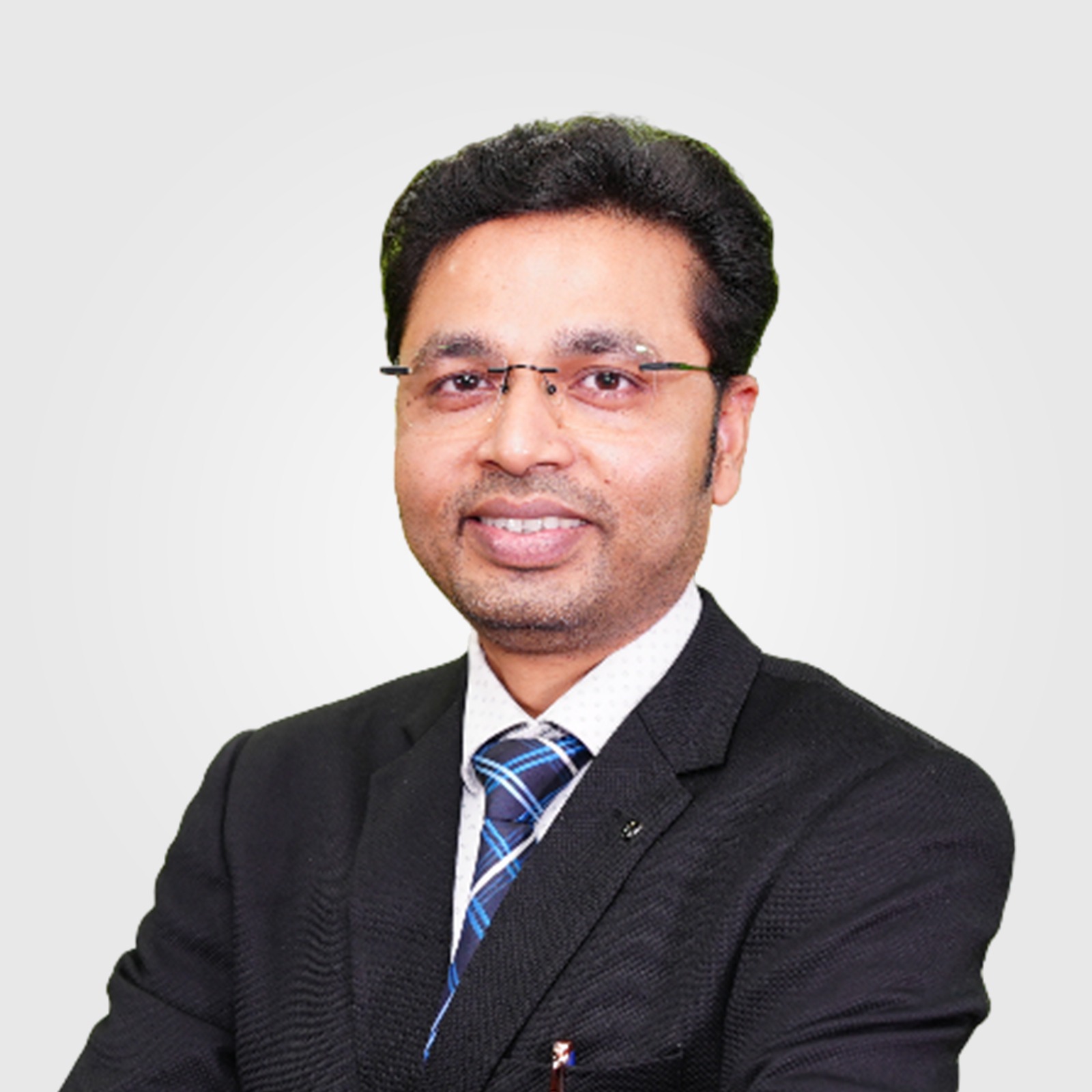
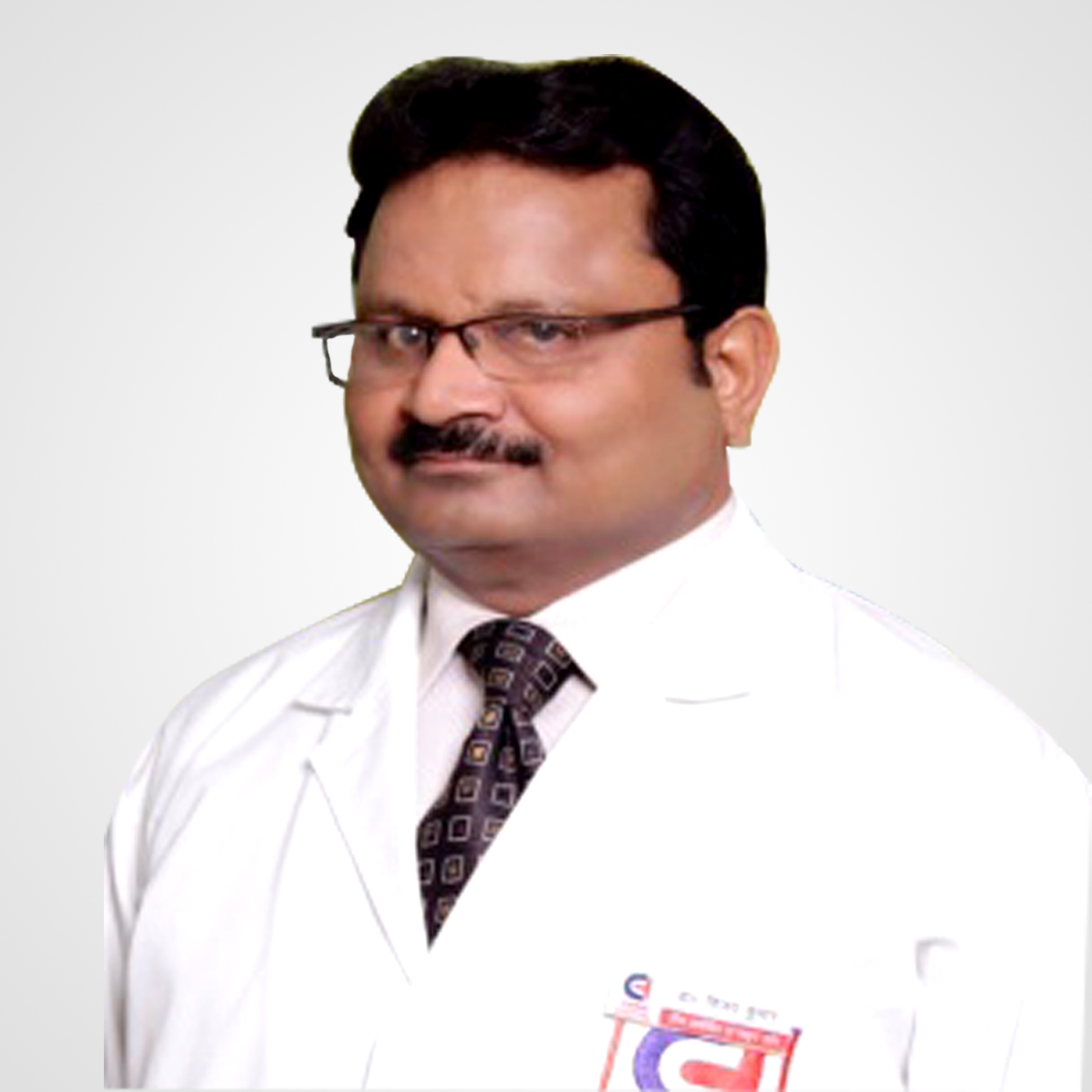
Surgical outcome is only half the result. The other half is who assesses you, which theatre you are operated in, and who rehabilitates you afterwards.
Every joint replacement and arthroscopy is performed by a qualified MS (Orthopaedics) surgeon with 14-16 years of independent operative experience — not by a trainee under supervision.
Joint replacement carries an infection risk that is directly reduced by air quality. Our modular theatres use laminar airflow with HEPA filtration — the single most important factor in implant survival.
We use FDA/CE-certified implant systems from established global manufacturers, with the implant sticker and batch number recorded in your discharge summary for lifetime traceability.
Rehabilitation begins within 24 hours of surgery in our in-house physiotherapy unit. Early mobilisation prevents stiffness, reduces clot risk, and directly determines your final range of movement.
You receive a written estimate before admission and an itemised bill at discharge. No hidden charges, no surprise additions — with 0% EMI financing available over 12-24 months.
Ayushman Bharat PM-JAY, CGHS, ECHS, Railways, ESIC, UP Police and every major TPA — so a knee replacement is genuinely affordable, and free for eligible PM-JAY beneficiaries.
Detailed history, physical examination (Lachman, McMurray, pivot-shift tests), standing X-rays and MRI where indicated. You leave knowing whether surgery is actually needed.
Blood investigations, cardiac and anaesthetic clearance, and a pre-habilitation physiotherapy session so you enter surgery with the best possible range of motion.
Spinal or general anaesthesia with a regional nerve block for pain control. TKR takes 1.5-2 hours; arthroscopic ACL reconstruction takes 60-90 minutes.
Standing and assisted steps within 24 hours, supervised physiotherapy twice daily, multi-modal pain management, and discharge planning with a written home exercise plan.
Walker to cane transition, quadriceps and gluteal strengthening, range-of-motion targets, and wound and X-ray review at the follow-up OPD.
Full daily activity by 6 weeks after TKR. For ACL: jogging at 4 months, sport-specific drills at 6-7 months, competitive pivoting sport at 9-12 months after passing hop and strength symmetry tests.
| Procedure | Indicative Cost (INR) |
|---|---|
| Total Knee Replacement — single knee | ₹3,50,000 – ₹8,00,000 |
| Partial (Unicompartmental) Knee Replacement | ₹2,50,000 – ₹5,00,000 |
| Bilateral Knee Replacement | ₹6,00,000 – ₹13,00,000 |
| Total Hip Replacement | ₹3,00,000 – ₹7,00,000 |
| ACL Reconstruction (arthroscopic) | ₹1,20,000 – ₹2,50,000 |
| Meniscus Repair / Meniscectomy | ₹70,000 – ₹1,50,000 |
| Knee or Shoulder Arthroscopy (diagnostic) | ₹50,000 – ₹1,00,000 |
| Rotator Cuff Repair | ₹1,20,000 – ₹2,60,000 |
| Ayushman Bharat PM-JAY beneficiaries | Free (fully covered) |
Searching for the "best hospital in India for knee replacement" returns thousands of results, and almost every one of them claims the title. What actually separates a good joint replacement centre from an average one is measurable, and you can assess it before you book.
Ask directly whether the consultant whose name appears on your file will perform the surgery personally. At Charak Hospital, every knee replacement and arthroscopy is performed by an MS (Orthopaedics) qualified consultant — Dr. Vipul Kumar Gupta, Dr. Imran Akhtar or Dr. Vijay Kumar — each with 14 to 16 years of independent operative experience.
Deep infection is the complication that destroys a joint replacement, and its single biggest modifiable risk factor is operating theatre air quality. A laminar-flow modular theatre with HEPA filtration substantially reduces airborne bacterial load during the hours an implant is exposed. This matters far more than the brand of robot in the brochure.
Your discharge summary should carry the implant sticker with make, model, size and batch number. If a manufacturer ever issues a recall, or if you need revision surgery in fifteen years, that record is what allows a surgeon to plan correctly. We record it as standard.
Roughly half of your final outcome after knee replacement is determined by rehabilitation, not by the operation. A hospital that discharges you with a photocopied exercise sheet and no supervised physiotherapy is transferring the hardest part of the job to you. Our in-house physiotherapy unit starts supervised mobilisation within 24 hours of surgery.
In a Total Knee Replacement the worn cartilage and a few millimetres of underlying bone are removed from the end of the femur and the top of the tibia. These surfaces are then resurfaced with a metal femoral component, a metal tibial tray, and a cross-linked polyethylene insert that acts as the new cartilage. The kneecap surface may also be resurfaced. The ligaments around your knee are preserved and balanced so the new joint tracks correctly through its full arc of movement.
Surgery takes approximately 1.5 to 2 hours per knee. Most patients receive spinal anaesthesia combined with a regional nerve block, which controls pain in the critical first 24 hours and allows you to stand and take assisted steps the same day or the next morning. Hospital stay is typically four to five days.
If your arthritis is confined to one compartment — most commonly the inner (medial) compartment — and both cruciate ligaments are intact, a partial knee replacement resurfaces only that compartment. It involves a smaller incision, less blood loss, faster rehabilitation and a knee that feels more natural because the ligaments and healthy cartilage are retained. The trade-off is that arthritis can later progress in the untouched compartments. The decision is made on standing X-rays and confirmed during surgery.
A significant proportion of the sports injuries we assess do not require an operation. Grade 1 and grade 2 ligament sprains, most muscle strains, tendinitis and small stable meniscus tears respond well to a structured non-surgical programme: relative rest, ice, compression, bracing where appropriate, anti-inflammatory medication, and — most importantly — a graded physiotherapy programme that restores strength and proprioception before you return to activity.
Surgery becomes the right answer in specific situations: a complete ACL tear in a young or athletic patient whose knee gives way on pivoting; a bucket-handle meniscus tear that locks the knee; recurrent shoulder dislocation; a full-thickness rotator cuff tear causing weakness; or any injury that has failed a genuine trial of conservative treatment.
ACL reconstruction is performed arthroscopically through two small portals. The torn ligament is replaced with a graft harvested from your own hamstring tendons or patellar tendon, passed through bone tunnels drilled in the femur and tibia, and fixed with suspensory or interference devices. The graft is not a ligament on day one — it undergoes a biological process called ligamentisation, becoming progressively stronger over roughly nine months.
This biology is why the return-to-sport timeline cannot be shortened by enthusiasm. The evidence is consistent: athletes who return to pivoting sport before nine months have a markedly higher rate of graft re-rupture. We clear patients on the basis of milestones — full range of motion, quadriceps strength symmetry above 90%, and passing a battery of single-leg hop tests — not simply because a certain number of months have passed.
Knee replacement is an elective operation, which means the timing is largely your decision, guided by how much the knee is limiting your life. Consider a consultation if you have knee pain that persists at rest or wakes you at night, cannot walk more than a short distance or manage stairs, have stiffness and swelling that no longer respond to medication, notice a worsening bow-leg or knock-knee deformity, show bone-on-bone contact on X-ray, or have completed three to six months of physiotherapy, weight management and medication without meaningful improvement.
Conversely, if your X-ray shows only mild changes and you have not yet had a proper trial of physiotherapy and weight optimisation, a replacement is premature. A good orthopaedic surgeon will tell you when not to operate. If you would like to understand pricing in more detail before deciding, our detailed knee replacement cost guide breaks down every component of the bill.
Answers to the questions patients ask most often before booking a consultation.
Charak Hospital, Lucknow is among India's trusted centres for knee replacement and sports injury care. It is NABH-accredited, empanelled with Ayushman Bharat PM-JAY, CGHS, ECHS and Railways, and offers Total and Partial Knee Replacement, ACL/PCL reconstruction, meniscus repair, arthroscopy and rotator cuff repair. The team is led by MS (Orthopaedics) surgeons with 14–16 years of experience, supported by laminar-flow modular operation theatres and an in-house physiotherapy and rehabilitation unit. Call 0522-666-4444.
Total Knee Replacement at Charak Hospital, Lucknow ranges from ₹3,50,000 to ₹8,00,000 depending on implant type (standard vs premium), single or bilateral surgery, room category, and length of stay. Ayushman Bharat PM-JAY beneficiaries receive treatment at zero cost. CGHS, ECHS, Railways and all major TPA cashless facilities are accepted, and 0% EMI plans are available. An exact estimate is provided after clinical assessment — call 0522-666-4444.
Most patients stand and take assisted steps within 24 hours of surgery. Hospital stay is typically 4–5 days. Patients move from walker to cane at 2–3 weeks, resume most routine activities by 6 weeks, and achieve full strength and maximum flexion between 3 and 6 months. Consistent physiotherapy is responsible for roughly half the final outcome, which is why Charak Hospital begins supervised rehabilitation on Day 1.
ACL reconstruction is a keyhole (arthroscopic) surgery that replaces a torn anterior cruciate ligament with a graft taken from the patient's own hamstring or patellar tendon. It is needed when the knee gives way during pivoting, twisting or sports activity, when there is a complete tear confirmed on MRI, or when an associated meniscus tear is present. Young, active patients and athletes are the strongest candidates. Return to competitive sport typically takes 9–12 months of structured rehabilitation.
Modern knee implants using high-grade cobalt-chromium and cross-linked polyethylene components are designed to last 20–25 years in most patients. Longevity depends on implant quality, accuracy of surgical alignment, body weight, and activity level. Avoiding high-impact activity, maintaining a healthy weight, and attending scheduled follow-ups significantly extend implant life.
Yes. Charak Hospital is empanelled with Ayushman Bharat PM-JAY, CGHS, ECHS, Railways, ESIC, UP Police and all major health insurance TPAs. Eligible Ayushman Bharat beneficiaries receive knee replacement surgery completely free of cost. CGHS and ECHS beneficiaries are treated under cashless arrangements at approved package rates. Call 0522-666-4444 to verify your eligibility before admission.
Total Knee Replacement (TKR) resurfaces all three compartments of the knee and is used when arthritis is widespread. Partial (unicompartmental) knee replacement resurfaces only the single damaged compartment, preserving healthy bone, cartilage and both cruciate ligaments. Partial replacement involves a smaller incision, less blood loss, faster recovery and a more natural-feeling knee — but it is only suitable when damage is confined to one compartment with intact ligaments. The surgeon decides based on standing X-rays and intra-operative findings.
Many sports injuries heal without surgery. Grade 1 and 2 ligament sprains, most muscle strains, mild meniscus tears and tendinitis respond to the RICE protocol (rest, ice, compression, elevation), bracing, anti-inflammatory medication, and a graded physiotherapy programme focused on strength and proprioception. Platelet-Rich Plasma (PRP) injections may accelerate healing in selected tendon and cartilage injuries. Surgery is reserved for complete ligament tears, locked knees from bucket-handle meniscus tears, recurrent dislocations, and failed conservative treatment.
Return to sport after ACL reconstruction follows milestones, not just a calendar. Typical progression: full range of motion by 6 weeks, cycling and swimming at 3 months, straight-line jogging at 4 months, sport-specific drills and cutting at 6–7 months, and return to competitive pivoting sport at 9–12 months — only after passing strength symmetry and hop tests. Returning before 9 months significantly increases the risk of re-tear.
Consider evaluation for knee replacement if you have: knee pain that persists at rest or wakes you at night; inability to walk more than a short distance or climb stairs; knee stiffness and swelling not relieved by medication; visible bow-leg or knock-knee deformity that is worsening; grinding or bone-on-bone contact on X-ray; and failure of at least 3–6 months of physiotherapy, weight management and medication. Consult the orthopaedic team at Charak Hospital, Lucknow: 0522-666-4444.
Bring your X-rays and MRI. In one consultation you will know your diagnosis, whether physiotherapy can still work, and if surgery is needed — what it will cost and how long recovery takes.