Department of Medical and Surgical Oncology
Comprehensive cancer care under one roof.

Facing cancer — or worried about a symptom — brings many questions. This guide explains warning signs, tests, treatment options and day-to-day care in plain language, and how our oncology team in Lucknow can help you and your family at every step.

NABH-accredited hospital 300-bed super-speciality Robotic-assisted surgery Ayushman Bharat accepted*

Talk to our oncology team

Share your details — our coordinator will call you back to schedule a visit.

Your details are used only to contact you about your appointment.

24×7 hospital & emergency0522-666-4444
Our approach

One team for diagnosis, surgery, medicines, radiotherapy and recovery

Cancer is not one disease, and no two patients are the same. At Charak Hospital, surgical, medical and radiation oncology specialists work together with radiology, pathology, critical care, nutrition, pain and rehabilitation teams — so your treatment plan is built around your cancer type, its stage, your overall health and what matters to you.

  • Treatment decisions explained clearly, with time for your questions and your family's.
  • Care based on established national and international treatment guidelines.
  • Organ- and function-preserving surgery wherever it is safe, with reconstruction when needed.
  • Day-care chemotherapy, immunotherapy and targeted therapy under specialist supervision.
  • Pain relief, palliative care and emotional support — at every stage, not only at the end.

Surgical oncology

Open, laparoscopic and robotic-assisted cancer surgery with reconstruction.

Medical oncology

Chemotherapy, immunotherapy, targeted and hormone therapy.

Critical care backup

Equipped ICU and critical-care team available round the clock.

Supportive care

Pain management, nutrition, physiotherapy and counselling.

300Bed super-speciality hospital
NABHAccredited for quality & patient safety
24×7Emergency & critical care
20+Specialities under one roof
Know the signs

Symptoms that should be checked by a doctor

These signs are far more often caused by something other than cancer. But if one lasts more than 2–3 weeks, keeps getting worse, or has no clear reason, please get it examined — cancers found early are usually easier to treat.

A new lump or swelling

In the breast, neck, armpit, groin, testicle or anywhere on the body — especially if painless and growing.

Mouth ulcer or patch

A sore that does not heal, white or red patches, or difficulty opening the mouth — particularly in tobacco or gutkha users.

Persistent cough or hoarseness

Cough lasting over 3 weeks, blood in sputum, breathlessness or a change in voice.

Unusual bleeding

Blood in stool, urine or cough; bleeding between periods, after intercourse or after menopause.

Unexplained weight loss

Losing weight without trying, loss of appetite, or tiredness that does not improve with rest.

Difficulty swallowing

Food sticking, persistent indigestion, heartburn, vomiting or a feeling of fullness after small meals.

Change in bowel or bladder habits

Ongoing constipation or diarrhoea, thinner stools, frequent or difficult urination.

Changes in skin or a mole

A mole that changes shape, size or colour, or a sore on the skin that does not heal; yellowing of eyes or skin.

Please don't wait and don't panic. A symptom on this list does not mean you have cancer. A simple examination, and sometimes a few tests, are usually enough to find the cause. If you are unsure, our team can guide you on which specialist to see.

Cancer types A–Z

Find information about a specific cancer

Tap a cancer type to see its common symptoms, the tests used to diagnose it and how it is usually treated. Your own plan will depend on the stage and your health.

Breast cancer

Most common cancer in Indian women

Common signs

Painless lump in the breast or armpit, change in breast size or shape, skin dimpling, nipple pulling in, or blood-stained nipple discharge.

How it is diagnosed

Clinical breast examination, mammography and/or ultrasound, core-needle biopsy, and receptor tests (ER, PR, HER2) that guide treatment.

How it is treated

Surgery (breast-conserving surgery or mastectomy, with oncoplastic reshaping or reconstruction by our plastic surgeons where suitable), chemotherapy, hormone therapy, HER2-targeted therapy and radiotherapy — often in combination.

Breast reconstruction after cancer

Oral, head & neck cancer

Strongly linked to tobacco, gutkha & areca nut

Common signs

Mouth ulcer not healing in 2–3 weeks, white or red patches, reduced mouth opening, loose teeth, neck lump, voice change or difficulty swallowing.

How it is diagnosed

Examination, biopsy of the lesion, CT or MRI of the head and neck, and endoscopy where needed.

How it is treated

Surgery to remove the tumour and affected lymph nodes, with reconstruction (including jaw/mandible reconstruction), followed by radiotherapy and/or chemotherapy when required.

Head, neck & oral cancer surgery

Cervical cancer

Largely preventable with screening & HPV vaccine

Common signs

Bleeding after intercourse, between periods or after menopause; foul-smelling discharge; pelvic pain. Early stages often have no symptoms.

How it is diagnosed

Pap smear / HPV test / VIA screening, colposcopy and biopsy, and MRI or PET-CT for staging.

How it is treated

Early stages may be treated with surgery; more advanced stages are usually treated with chemoradiation. Pre-cancerous changes can be treated before they become cancer.

Gynaecological cancer surgery

Lung cancer

Often mistaken for TB or chronic cough

Common signs

Cough lasting over 3 weeks, blood in sputum, chest pain, breathlessness, hoarseness, weight loss. Symptoms that do not improve with TB treatment need re-evaluation.

How it is diagnosed

CT scan, biopsy (bronchoscopy or CT-guided), PET-CT for staging and molecular tests (such as EGFR, ALK, PD-L1) that open doors to targeted therapy or immunotherapy.

How it is treated

Surgery (including minimally invasive thoracoscopic surgery) for early stages; chemotherapy, targeted therapy, immunotherapy and radiotherapy depending on stage and test results.

Thoracic surgical oncology

Gallbladder cancer

More common in North India's Gangetic belt

Common signs

Often silent early. Later: pain in the upper right abdomen, jaundice (yellow eyes/skin), itching, loss of appetite and weight loss. Long-standing gallstones are a known risk factor.

How it is diagnosed

Ultrasound, contrast CT or MRI, tumour markers (CA 19-9, CEA) and biopsy where appropriate.

How it is treated

Radical cholecystectomy (removal of gallbladder with part of the liver and lymph nodes) when operable, with chemotherapy before or after surgery; stenting and palliative care to relieve jaundice in advanced stages.

Meet our GI cancer surgeon

Oesophagus & stomach cancer

Swallowing difficulty is a key warning sign

Common signs

Food sticking while swallowing, persistent indigestion, vomiting, black stools, anaemia, early fullness and weight loss.

How it is diagnosed

Upper GI endoscopy with biopsy, CT scan, and PET-CT or endoscopic ultrasound for staging.

How it is treated

Chemotherapy and/or chemoradiation followed by surgery (oesophagectomy or gastrectomy) for operable cancers; stenting and nutritional support to improve swallowing in advanced disease.

Thoracoscopic & laparoscopic surgery

Colon & rectal cancer

Bleeding is not always "just piles"

Common signs

Blood in stool, change in bowel habits lasting weeks, feeling of incomplete emptying, abdominal pain, unexplained anaemia or weight loss.

How it is diagnosed

Colonoscopy with biopsy, CT scan, MRI pelvis for rectal cancer, and CEA blood test.

How it is treated

Surgery (laparoscopic or open), with sphincter-preserving techniques where possible; chemotherapy and, for rectal cancer, radiotherapy before surgery.

Read more about colon & colorectal cancer

Liver & pancreatic cancer

Jaundice and weight loss need prompt tests

Common signs

Jaundice, upper abdominal or back pain, loss of appetite, weight loss, new-onset diabetes in older adults, abdominal swelling.

How it is diagnosed

Triple-phase CT or MRI, tumour markers (AFP, CA 19-9), endoscopic ultrasound and biopsy where needed.

How it is treated

Surgery (such as liver resection or Whipple's operation) for operable tumours, chemotherapy, targeted therapy, and interventional radiology procedures in selected cases.

Read more about pancreatic cancer

Prostate, kidney & bladder cancer

Urological cancers

Common signs

Blood in urine, frequent or weak urination, pain in the flank or lower back, bone pain in advanced prostate cancer. Early stages may cause no symptoms.

How it is diagnosed

PSA test, ultrasound, MRI, CT urography, cystoscopy and biopsy.

How it is treated

Surgery including robotic-assisted options for selected patients, hormone therapy for prostate cancer, chemotherapy, immunotherapy and targeted therapy.

Urological cancer surgery

Ovarian & uterine cancer

Bloating that persists deserves attention

Common signs

Persistent bloating, feeling full quickly, pelvic or abdominal pain, increased urination; any bleeding after menopause.

How it is diagnosed

Pelvic ultrasound, CT or MRI, CA-125 blood test, and endometrial or tissue biopsy.

How it is treated

Staging or cytoreductive surgery (open, laparoscopic or robotic-assisted), chemotherapy — including intraperitoneal chemotherapy in selected cases — and targeted therapy.

Gynaecological cancer surgery

Thyroid cancer

Usually very treatable

Common signs

A lump in the front of the neck, hoarseness, difficulty swallowing. Most thyroid nodules are not cancer.

How it is diagnosed

Thyroid ultrasound and fine-needle aspiration (FNAC).

How it is treated

Surgery to remove part or all of the thyroid, sometimes followed by radioactive iodine therapy and lifelong thyroid hormone tablets.

Head & neck surgery

Brain & spine tumours

Neuro-oncology

Common signs

New or changing headaches (often worse in the morning), seizures, weakness or numbness, vision or speech problems, back pain with weakness in the legs.

How it is diagnosed

MRI with contrast and, in most cases, a biopsy or surgical removal to confirm the tumour type.

How it is treated

Neurosurgery, radiotherapy and chemotherapy depending on the tumour type and grade.

Brain & spine tumour surgery   Meet our neurosurgeons

Bone & soft-tissue sarcoma

Limb-saving treatment is often possible

Common signs

A growing lump in the arm, leg or trunk; bone pain that is worse at night; swelling or fracture after minor injury.

How it is diagnosed

X-ray and MRI, followed by a carefully planned biopsy — ideally done by the team that will treat the tumour.

How it is treated

Limb-conserving surgery with reconstruction, chemotherapy and radiotherapy according to tumour type.

Limb-conserving surgery

Blood cancers

Leukaemia, lymphoma & myeloma

Common signs

Persistent fatigue, frequent infections, unexplained fever, easy bruising or bleeding, swollen lymph nodes, bone pain.

How it is diagnosed

Complete blood count, peripheral smear, bone marrow aspiration and biopsy, flow cytometry, lymph node biopsy and imaging.

How it is treated

Chemotherapy, targeted therapy and immunotherapy, managed together with our haematology and haemato-oncology team.

Haematology & haemato-oncology

Skin cancer

Watch for changing moles & non-healing sores

Common signs

A mole that is asymmetrical, has irregular borders, multiple colours, is larger than 6 mm or is changing; a sore or growth that bleeds and does not heal.

How it is diagnosed

Skin examination and excision or punch biopsy.

How it is treated

Surgical removal with safe margins and reconstruction; immunotherapy or targeted therapy for advanced melanoma.

Plastic & reconstructive surgery

No match found. Please call our cancer helpline on 99190 40000 — we will guide you.

Diagnosis & staging

How cancer is confirmed — and why staging matters

A correct diagnosis is the foundation of good treatment. Most patients go through these steps, though not every test is needed for everyone.

Consultation & examination

Your history, symptoms, family history and a thorough physical examination.

Imaging

Ultrasound, mammography, CT, MRI or PET-CT to see the size and spread of a growth.

Biopsy

A small tissue sample — the only way to confirm cancer. Usually a quick, low-risk procedure.

Pathology & biomarkers

Histopathology, IHC and, when useful, genetic or molecular tests that guide targeted therapy.

Staging & plan

All results are brought together to stage the cancer and agree the treatment plan with you.

Understanding cancer stages

The stage describes how large a cancer is and how far it has spread. Tap a stage to learn what it generally means — your doctor will explain your exact stage.

T

Tumour — size of the main tumour and whether it has grown into nearby tissue.

N

Nodes — whether cancer has reached nearby lymph nodes.

M

Metastasis — whether cancer has spread to distant organs.

Treatment options

The main ways cancer is treated

Most patients receive more than one type of treatment. The aim may be to cure the cancer, to control it for as long as possible, or to relieve symptoms — your oncologist will explain which applies to you.

Cancer surgery (surgical oncology)

Surgery removes the tumour along with a margin of healthy tissue and, where needed, nearby lymph nodes. For many solid cancers detected early, surgery is the main curative treatment.

Open surgeryLaparoscopic & thoracoscopicRobotic-assistedOncoplastic & reconstruction

What to expect

  • Pre-operative tests and anaesthesia check-up
  • Hospital stay from a day to about two weeks, depending on the operation
  • Pathology report on the removed tissue in about 7–10 days

Minimally invasive options

  • Smaller cuts, typically less pain and quicker recovery
  • Robotic-assisted surgery for selected gynaecological, urological and GI cancers
  • Not suitable for every patient — your surgeon will advise
Department services

Surgical oncology services

A full spectrum of cancer surgery — from minimally invasive procedures to complex resections with reconstruction — under one roof in Lucknow.

Medical oncology services

Systemic cancer treatment and related procedures, delivered under the supervision of our medical oncologists.

Adjuvant & neo-adjuvant chemotherapy
Immunotherapy
Targeted therapy
Hormonal therapy (incl. prostate cancer)
Systemic & regional chemotherapy
Bone marrow aspiration & biopsy
Intrathecal chemotherapy
Intraperitoneal chemotherapy
Chemo port / Hickman catheter insertion
Central line & PICC line insertion
Pain management & palliative care
ICU & critical-care backup
Your journey with us

What happens, step by step

Knowing what comes next can make a difficult time a little easier.

Step 1

First consultation

Meet the oncologist, share your symptoms and any previous reports. Bring a family member if you can.

Step 2

Tests & biopsy

Only the tests you need — blood tests, imaging and biopsy — coordinated to save you repeated visits.

Step 3

Diagnosis & staging

Results are explained in plain language: what the cancer is, where it is and how far it has spread.

Step 4

Treatment plan & consent

Surgical and medical oncologists agree the best options; you receive the plan, the expected benefits and risks, and a cost estimate before you decide.

Step 5

Treatment

Surgery, chemotherapy or other treatment, with nursing, nutrition, pain and emotional support throughout.

Step 6

Follow-up & survivorship

Regular check-ups, scans when needed, rehabilitation and guidance on returning to work and daily life.

Managing side effects

Coping with treatment side effects at home

Side effects vary from person to person and most can be prevented or eased. Always follow the specific advice your care team gives you.

Nausea & vomiting

Take anti-sickness medicines exactly as prescribed — ideally before nausea starts. Eat small, frequent, bland meals; sip fluids through the day; avoid strong smells and oily food.

Tiredness (fatigue)

Very common and real. Balance rest with gentle activity such as short walks, which often helps more than complete bed rest. Accept help with household tasks. Tell your doctor if fatigue is sudden or severe — it may be due to anaemia.

Low blood counts & infection risk

Wash hands often, avoid crowds and people with infections, eat freshly cooked food and drink safe water. Check your temperature if you feel unwell. Fever during chemotherapy is an emergency — see the box alongside.

Hair loss

Not all treatments cause hair loss. When it happens it is usually temporary and hair regrows after treatment. A short haircut, a soft cap or scarf can help; protect the scalp from sun.

Mouth sores & taste changes

Use a soft toothbrush and rinse with a mild salt–soda mouthwash several times a day. Avoid spicy, very hot or acidic food, tobacco and alcohol. Tell your team if you cannot eat or drink.

Poor appetite & weight loss

Eat what you can, when you can — little and often. Add protein (dal, paneer, eggs, curd, soya) and energy-dense foods. Our dietitians can create a plan and advise on nutritional supplements.

Tingling, numbness, skin & nail changes

Some medicines affect nerves, skin or nails. Keep skin moisturised, protect hands and feet, and report numbness, rashes or cracked skin early so that doses or supportive care can be adjusted.

Anxiety, low mood & sleep problems

Feeling worried or low is a normal response to cancer. Talking to family, your doctor or a counsellor helps. Please tell us if you feel persistently low, hopeless or unable to sleep — support is available.

Living with cancer

Caring for body, mind and family

Good treatment is about more than medicines and surgery.

Nutrition during treatment

  • Prioritise protein and adequate calories to maintain strength
  • Eat freshly cooked, hygienic food; wash fruits and vegetables well
  • Avoid "miracle" diets and unproven supplements — some interact with treatment
  • Tell your oncologist about any herbal or Ayurvedic medicines you take
Meet our dietitians

Emotional wellbeing

  • Fear, anger and sadness are common and valid feelings
  • Ask questions — understanding your illness reduces anxiety
  • Stay connected with people you trust
  • Professional counselling can help patients and families cope
Psychiatry & counselling

For caregivers

  • Keep one folder with all reports, prescriptions and bills
  • Maintain a simple diary of medicines, temperature and symptoms
  • Share responsibilities so one person is not overwhelmed
  • Look after your own sleep, food and health too
Rehabilitation support
Screening & prevention

Find cancer early — or prevent it

Screening looks for cancer or pre-cancer in people without symptoms. The table below is general guidance; your doctor may advise differently based on your personal and family risk.

CancerWho should consider screeningTestNotes
Oral cancerAdults 30+, especially tobacco, gutkha, areca-nut or alcohol usersOral visual examination by a doctor or dentistQuick and painless. Tobacco users should also check their mouth regularly in a mirror.
Breast cancerWomen 30+; mammography usually from 40Clinical breast examination; mammography / ultrasoundKnow how your breasts normally look and feel. Strong family history? Ask about earlier screening and genetic counselling.
Cervical cancerWomen 25/30 to 65HPV test, Pap smear or VIARepeated every 3–5 years depending on the test. HPV vaccination is most effective at 9–14 years of age.
Colorectal cancerAdults 45+, earlier with family history or bowel symptomsStool test (FIT) or colonoscopyColonoscopy can remove polyps before they turn into cancer.
Lung cancerAdults 50–80 with a long history of heavy smokingLow-dose CT scanDiscuss benefits and limits with your doctor first; TB and other lung conditions can cause false alarms.
Prostate cancerMen 50+ (45+ with family history)PSA blood test ± examinationMake an informed choice with your doctor — PSA testing has both benefits and limitations.
Liver cancerPeople with cirrhosis or chronic hepatitis B / CUltrasound ± AFP every 6 monthsHepatitis B vaccination helps prevent liver cancer.
Quit tobacco in every form
Avoid or limit alcohol
HPV & Hepatitis B vaccines
Stay active, keep a healthy weight
Fruits, vegetables & fibre
Know your family history
Myths & facts

Clearing up common misunderstandings

Hover or tap a card to see the fact.

Myth

"A biopsy or surgery makes cancer spread."

Tap to flip
Fact

For almost all cancers this is not true. A biopsy is the only reliable way to confirm cancer and plan correct treatment. Delaying it is the bigger risk.

Myth

"Cancer always means death."

Tap to flip
Fact

Many cancers can be cured, especially when found early, and many others can be controlled for years. Outcomes depend on type, stage and individual factors.

Myth

"Cancer is contagious."

Tap to flip
Fact

Cancer does not spread from person to person through touch, food or caring for someone. Patients need closeness and support, not isolation.

Myth

"Chemotherapy is always unbearable."

Tap to flip
Fact

Side effects differ widely between drugs and people. Modern supportive medicines prevent or reduce many of them, and many patients continue daily activities.

Myth

"Herbal or home remedies alone can cure cancer."

Tap to flip
Fact

No herbal remedy has been proven to cure cancer on its own. Some can interfere with treatment — always tell your oncologist about anything you take.

Myth

"Eating sugar feeds cancer."

Tap to flip
Fact

All cells use glucose; cutting out sugar completely does not starve a tumour. A balanced diet that keeps a healthy weight is what helps.

Our team

Meet our cancer care team

Medical, surgical and oral & head-neck oncologists, working with organ-specialist surgeons for urological, gastrointestinal and brain tumours, and with plastic surgeons for reconstruction.

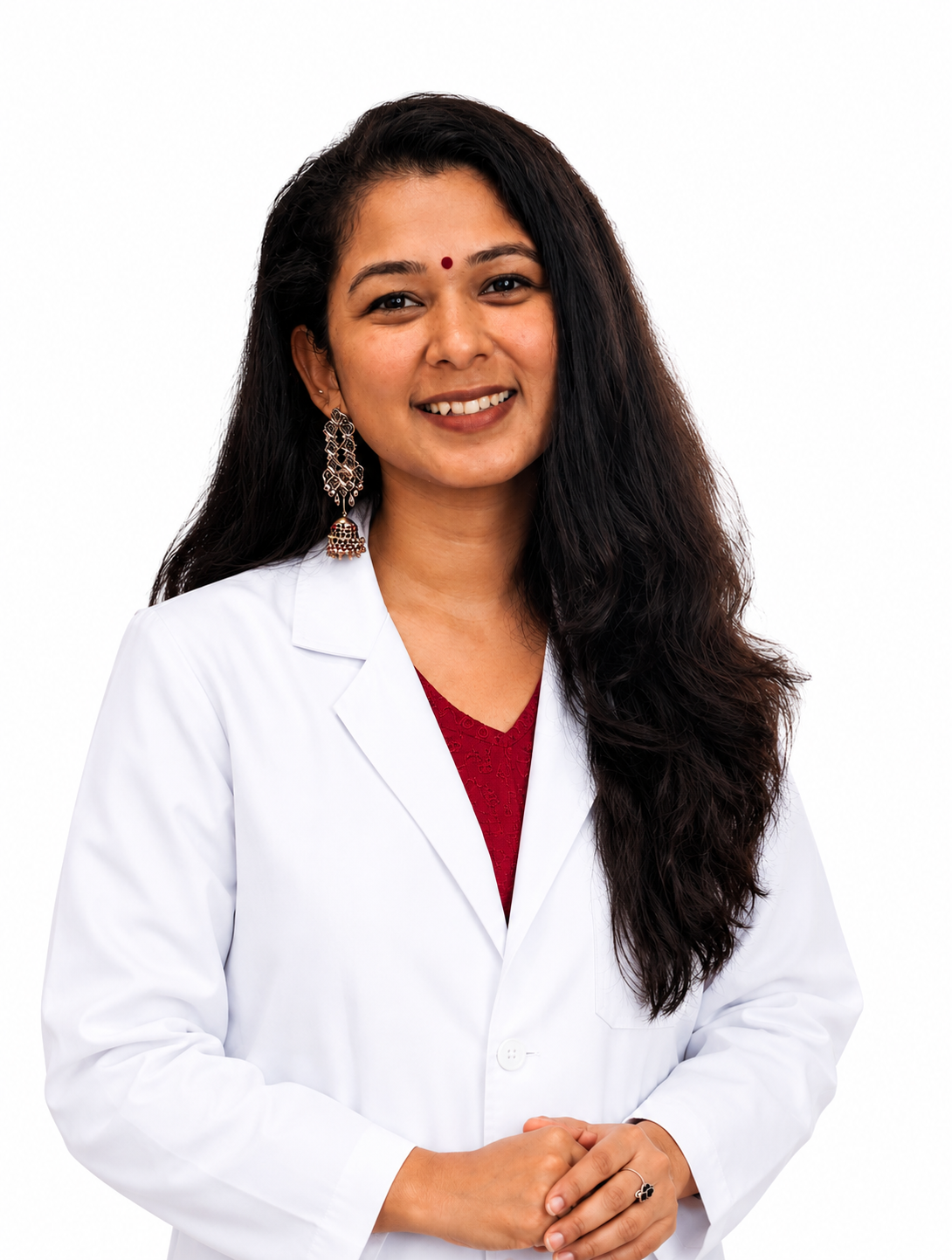
Dr. Shreya Sengupta, Oral Oncology & Maxillofacial Surgeon, Charak Hospital Lucknow
Oral Oncology & Maxillofacial Surgery

Dr. Shreya Sengupta

BDS, MDS (Oral & Maxillofacial Surgery), Fellowship in Oral Oncology & Reconstructive Surgery (Gold Medalist)

Oral cavity & jaw cancers, head and neck oncological surgery, reconstruction, oral pre-cancer evaluation

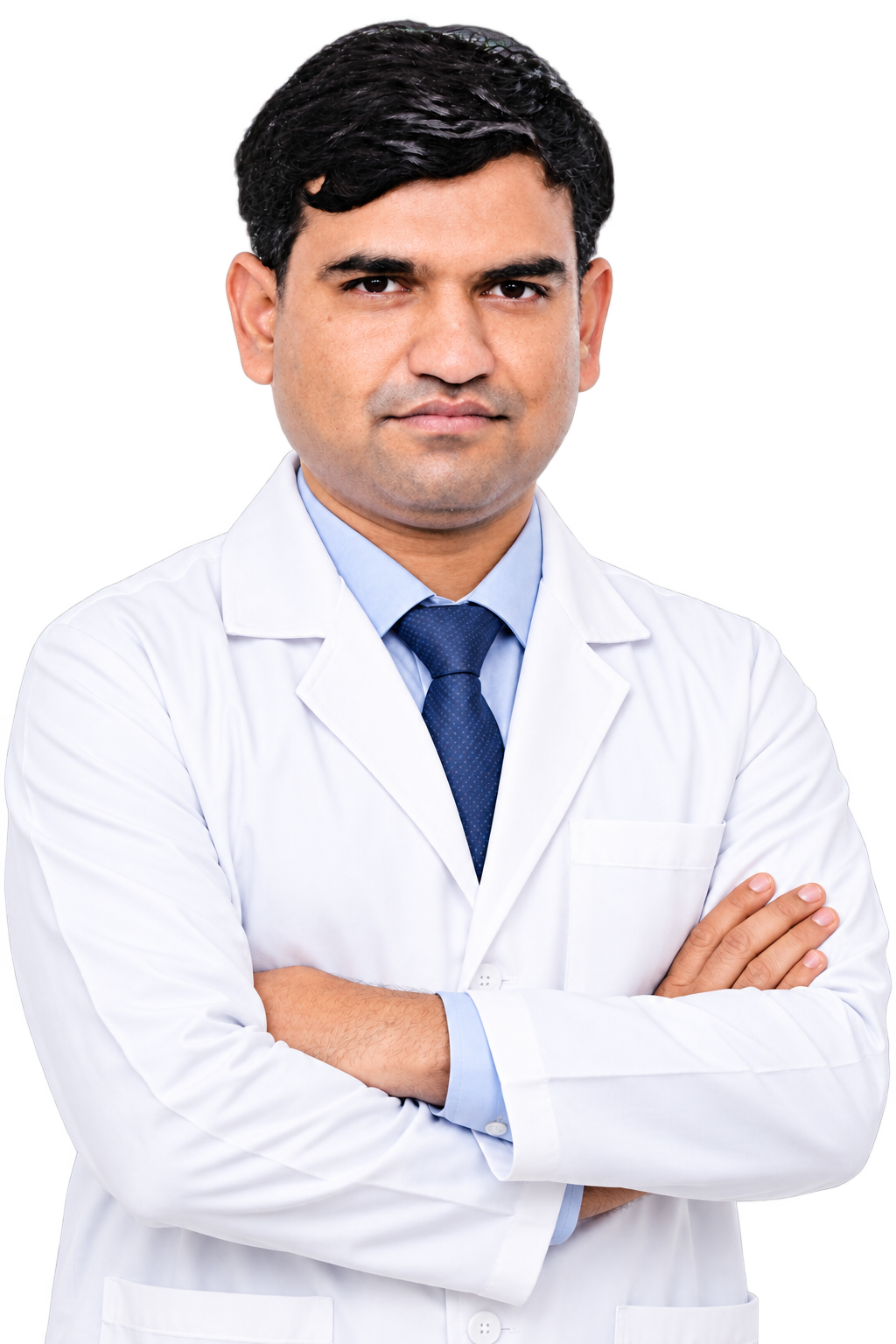
Dr. Ashutosh Mishra, Medical Oncologist, Charak Hospital Lucknow
Medical Oncology

Dr. Ashutosh Mishra

MBBS, MD (Radiation Oncology), DrNB (Medical Oncology)

Chemotherapy, immunotherapy & targeted therapy for solid and blood cancers; bone marrow biopsy, intrathecal chemotherapy

Dr. Zeeshanuddin Ahmad, Surgical Oncologist, Charak Hospital Lucknow
Surgical Oncology

Dr. Zeeshanuddin Ahmad

MBBS, MS (General Surgery), M.Ch. (Surgical Oncology)

GI, head & neck, breast (with reconstruction), gynae & uro-oncology; bone & soft-tissue sarcoma with limb salvage; lung & liver resection

Uro-oncology

Urological cancer surgery

Surgery for kidney, bladder and prostate cancers — including laparoscopic and robotic-assisted options for selected patients — planned together with our oncologists.

Dr. Kanishk Dokania, Urologist & Uro-oncology Surgeon, Charak Hospital Lucknow
Urology & Uro-oncology

Dr. Kanishk Dokania

MBBS, MS (General Surgery), M.Ch. (Urology)

Laparoscopic & robotic-assisted radical prostatectomy; laparoscopic radical & partial nephrectomy; TURBT & radical cystectomy with urinary diversion

GI & HPB cancer surgery

Gastrointestinal cancer surgery

Surgery for cancers of the colon, rectum, pancreas, liver, gallbladder and bile ducts.

Dr. (Prof.) Ashok Kumar, Surgical Gastroenterologist, Charak Hospital Lucknow
Surgical Gastroenterology & GI Oncology

Dr. (Prof.) Ashok Kumar

MBBS, MS, M.Ch. (Surgical Gastroenterology), FRCS (England), FACS, FICS, FASCRS · Former Professor, SGPGI

Colorectal cancer surgery with sphincter-saving techniques; Whipple procedure & pancreatic resection; liver, gallbladder & biliary cancer surgery

Neuro-oncology

Brain & spine tumour surgery

Our neurosurgeons treat brain and spinal tumours using microsurgical techniques with intraoperative navigation, working with the oncology team on any further treatment.

Oncoplastic & reconstructive surgery

Plastic surgeons working with our cancer team

Our plastic and reconstructive surgeons work alongside the oncology team and regularly perform reconstruction after cancer surgery — restoring form and function through oncoplastic breast surgery, breast reconstruction, and flap reconstruction after tumour removal in the head, neck and limbs.

Dr. Abhijat Mishra, Plastic & Reconstructive Surgeon, Charak Hospital Lucknow
Plastic & Reconstructive Surgery

Dr. Abhijat Mishra

MBBS, DNB (Plastic Surgery), MNAMS, VFCS (Cosmetic Surgery)

Reconstructive surgery after cancer: flap reconstruction after tumour removal, microsurgery & free-flap transfer, oncoplastic breast reconstruction

Practical help

Second opinions, costs & insurance

A second opinion is a normal, sensible step — especially before major surgery or when choosing between options.

What to bring to your visit

Tick off as you collect them.

  • Biopsy / histopathology and IHC reports
  • Biopsy slides and paraffin blocks (if review is needed)
  • CT / MRI / PET-CT reports with films or CDs
  • Recent blood tests and tumour markers
  • Discharge summaries and operation notes
  • List of all current medicines (including herbal)
  • Insurance card / Ayushman card and photo ID
Questions you may want to ask
  1. What type and stage of cancer do I have?
  2. Is the aim of treatment cure, control or comfort?
  3. What are my options, and their side effects?
  4. How long will treatment take, and what will it cost?
  5. Whom do I call if I have a problem at night?

Costs, insurance & schemes

Cancer treatment costs vary with the type of cancer, its stage and the treatment chosen. We aim to keep you informed before every major step.

  • ✓Ayushman Bharat (PM-JAY) accepted for eligible beneficiaries.*
  • ✓Health insurance — our TPA desk helps with cashless pre-authorisation and reimbursement paperwork.
  • ✓Corporate & PSU panels — ask whether your employer is empanelled with us.
  • ✓Written estimate — ask for one before surgery or a chemotherapy course.
  • ✓Government assistance — our team can guide you on documents for financial-aid schemes you may be eligible for.

*Coverage depends on your scheme, policy terms and eligibility, which are confirmed at the insurance desk.

Ask our team: 99190 40000
FAQs

Frequently asked questions

Does a lump or symptom always mean cancer?

No. Most lumps, ulcers and coughs are caused by conditions other than cancer. But any symptom that lasts more than two to three weeks, keeps getting worse, or has no clear cause should be checked by a doctor so that cancer can be ruled out or found early.

Can a biopsy make cancer spread?

For the vast majority of cancers, no. A biopsy is the only reliable way to confirm cancer and its type, and doctors use techniques that keep any risk extremely low. Delaying a biopsy is usually the greater risk.

Is cancer curable?

Many cancers can be cured, especially when found early. Others can be controlled for long periods like a chronic illness. Your oncologist will explain the goal of treatment for your specific type and stage of cancer.

Should I get a second opinion?

Yes, a second opinion is a normal and reasonable step, especially before major surgery or when choosing between treatment options. Bring all reports, imaging CDs and biopsy slides or blocks.

Is cancer treatment covered by insurance or Ayushman Bharat?

Most health insurance policies cover cancer treatment, and Charak Hospital accepts Ayushman Bharat (PM-JAY) for eligible patients. Coverage depends on your policy or scheme, so our insurance desk will check eligibility and give you a written estimate.

What are the common types of cancer surgeries performed in Charak hospital, Lucknow ?

 Chark hospital, Lucknow, has the best cancer surgeons who can perform all types of cancer surgeries. few of them are as follow;

  • Thoracic surgical oncology
  • Colorectal cancer surgery
  • Head & neck cancer surgery
  • Oral cancer surgery
  • Urological & gynecological surgery
  • Reconstructive surgery
  • Thoracoscopic & Laparoscopic Surgery
  • Tumors of the brain & spine
  • Limb conserving surgery
How long does it typically take to recover from cancer surgery ?

The recovery time after cancer surgery can vary depending on various factors, such as the type and stage of cancer, the extent of the surgery, the age and overall health of the patient, and the type of follow-up care and rehabilitation provided. In general, it can take several weeks to months for full recovery after cancer surgery. During this time, the patient may require close monitoring and follow-up care by a medical professional to ensure proper healing and recovery. The medical team may also recommend lifestyle changes, such as changes to diet, exercise, and stress management, to help promote recovery and improve overall health.

What are the common types of cancer chemotherapy performed in Chark Hospital, Lucknow?


In Charak Hospital, various types of cancer chemotherapy treatments are performed depending on the specific type and stage of cancer. Some common types of cancer chemotherapy used in Lucknow include:

1. Adjuvant Chemotherapy: This type of chemotherapy is administered after surgery or radiation therapy to kill any remaining cancer cells and reduce the risk of the cancer coming back.

2. Neoadjuvant Chemotherapy: This treatment is given before surgery or radiation therapy to shrink tumors and make them more manageable for surgical removal or radiation.

3. Palliative Chemotherapy: Palliative chemotherapy aims to control cancer growth, alleviate symptoms, and improve the quality of life for patients with advanced or metastatic cancer. It focuses on symptom relief and prolonging survival.

4. Combination Chemotherapy: Often, a combination of different chemotherapy drugs is used to maximize effectiveness and target cancer cells in multiple ways. Combination chemotherapy can offer improved outcomes compared to using a single drug.

5. Targeted Therapy: Targeted therapy utilizes medications that specifically target certain proteins or genetic mutations found in cancer cells. This type of treatment aims to disrupt specific cancer cell pathways while minimizing damage to healthy cells.

6. Immunotherapy: Immunotherapy boosts the body's immune system to recognize and destroy cancer cells. It can be used as a standalone treatment or in combination with other therapies.

The specific chemotherapy regimen prescribed depends on the type, stage, and characteristics of the cancer, as well as the individual patient's overall health and treatment goals. It is essential to consult with an oncologist who can provide personalized treatment plans based on individual circumstances.

Are there any specific cancer types for which immunotherapy has shown promising results?

Immunotherapy has shown promising results in the treatment of various types of cancer. While the effectiveness of immunotherapy can vary depending on individual cases, here are some cancer types where immunotherapy has demonstrated positive outcomes:

1. Melanoma: Immunotherapy has shown remarkable success in treating advanced melanoma, especially using immune checkpoint inhibitors such as pembrolizumab and nivolumab.

2. Lung Cancer: Immunotherapy has significantly improved the treatment landscape for non-small cell lung cancer (NSCLC). Immune checkpoint inhibitors like pembrolizumab and atezolizumab have been approved for first-line and subsequent lines of treatment in NSCLC.

3. Bladder Cancer: Immune checkpoint inhibitors, such as pembrolizumab and atezolizumab, have been approved for the treatment of advanced bladder cancer that has progressed after chemotherapy.

4. Kidney Cancer: Immunotherapy targeting the immune checkpoint protein PD-1 has shown effectiveness in the treatment of advanced renal cell carcinoma, the most common form of kidney cancer.

5. Head and Neck Cancer: Immunotherapy, particularly with immune checkpoint inhibitors like pembrolizumab, has demonstrated promising results in certain cases of recurrent or metastatic head and neck squamous cell carcinoma.

6. Hodgkin's Lymphoma: Immunotherapy has been successful in the treatment of classical Hodgkin's lymphoma, with the use of checkpoint inhibitors such as pembrolizumab and nivolumab.


What are the potential side effects associated with chemotherapy, and are those manageable?

Chemotherapy, while an effective treatment for cancer, can be associated with certain potential side effects. The specific side effects and their severity can vary depending on the type of chemotherapy drugs used, the dosage, and individual factors. Some common potential side effects of chemotherapy include:

1. Fatigue: Many people experience fatigue during chemotherapy, which can range from mild to severe.

2. Nausea and vomiting: Chemotherapy drugs can cause nausea and vomiting, known as chemotherapy-induced nausea and vomiting (CINV). Anti-nausea medications can help manage this side effect.

3. Hair loss: Chemotherapy can lead to temporary or permanent hair loss, including scalp, facial, and body hair.

4. Anemia: Chemotherapy may decrease red blood cell count, leading to anemia and fatigue. Blood transfusions or medication can be used to manage anemia.

5. Bone marrow suppression: Chemotherapy drugs can suppress the production of blood cells in the bone marrow, increasing the risk of infections, bleeding, and fatigue.

6. Digestive system issues: Chemotherapy can cause diarrhea, constipation, or other gastrointestinal problems.

7. Neuropathy: Some chemotherapy drugs can damage nerves, causing numbness, tingling, or pain in the hands and feet (peripheral neuropathy).

8. Changes in appetite: Chemotherapy can lead to changes in appetite, taste alterations, and weight changes.

9. Increased risk of infection: Chemotherapy can weaken the immune system, increasing the risk of infections. Precautions such as avoiding crowds and practicing good hygiene are important.

10. Mood changes: Chemotherapy may cause mood swings, anxiety, or depression.

While these side effects can be challenging, many of them are manageable with medications, lifestyle adjustments, and supportive care. Healthcare providers can provide strategies and support to help minimize and cope with the side effects. It's crucial to communicate any concerns or side effects experienced during chemotherapy with your healthcare team, as they can provide appropriate interventions and support.

Glossary

Words you may hear from your doctor

BenignA growth that is not cancer and does not spread to other parts of the body.
MalignantCancerous — able to invade nearby tissue and spread.
BiopsyRemoval of a small tissue sample to be examined under a microscope.
HistopathologyLaboratory study of tissue that confirms whether a growth is cancer and what type.
IHC (Immunohistochemistry)Special stains on biopsy tissue that identify cancer type and markers such as ER, PR or HER2.
MetastasisSpread of cancer from where it started to distant organs such as liver, lungs, bones or brain.
Lymph nodesSmall glands that filter fluid; cancer often spreads to them first.
MarginsThe rim of normal tissue removed around a tumour. "Clear margins" means no cancer at the edge.
Neo-adjuvant therapyTreatment given before surgery, usually to shrink a tumour.
Adjuvant therapyTreatment given after surgery to lower the chance of cancer coming back.
RemissionSigns and symptoms of cancer have reduced (partial) or disappeared (complete).
RecurrenceCancer that returns after a period when it could not be detected.
Tumour markerA substance in blood (e.g. CEA, CA-125, PSA, AFP) that can help monitor some cancers.
PET-CTA scan combining metabolic and structural imaging to stage cancer and assess response.
Chemo portA small device placed under the skin of the chest for giving chemotherapy and taking blood easily.
Palliative careCare focused on comfort and quality of life, which can be given at any stage of illness.
Tumour boardA meeting of different specialists who review a patient's case together to agree the treatment plan.
Performance statusA score of how well a patient manages daily activities; it helps decide which treatments are safe.

No matching term. Please ask your doctor — no question is too small.

Related pages

Have questions about a diagnosis or a symptom?

Speak with our oncology team. We will help you understand your reports and plan the next step — calmly and clearly.

Medical information disclaimer: This page provides general health information for patients and families. It is not a substitute for a consultation, diagnosis or treatment by a qualified doctor. Treatment decisions depend on each patient's individual condition. In an emergency, call 0522-666-4444 or go to the nearest emergency department.

Content reviewed by: Department of Medical & Surgical Oncology, Charak Hospital & Research Centre  ·  Last updated: October 2026

Explore other clinical departments
Call helpline Book visit

Videos

Watch our doctors explain

Short talks by Charak Hospital doctors on symptoms, prevention and treatment. General information only — not a substitute for a consultation.