
Orthopaedic & Joint Replacement Surgeon
Dr. Vipul Kumar Gupta
MBBS, MS (Orthopaedics)
Knee and hip replacement, arthritis and fracture care. OPD: Monday to Saturday, 10 am – 5 pm.

Knee pain that stops you walking, a sports injury, a fracture or a stiff shoulder? Our orthopaedic surgeons at Charak Hospital, Hardoi Road, Dubagga, find the cause with examination and imaging, and treat it with exercises, medicines, keyhole surgery or joint replacement.
Share your details — our coordinator will call you back to schedule a visit.
Most joint and back pain improves without surgery. When surgery is needed, the aim is to relieve pain and get you walking, working and playing again as soon as it is safe. Our surgeons, physiotherapists and anaesthetists plan each step with you.
Knee and hip replacement for advanced arthritis.
Keyhole surgery for ACL, meniscus and shoulder problems.
Plates, nails and casts for broken bones, 24×7.
Back pain, osteoporosis and fragility fractures.
See a doctor if pain or stiffness lasts more than 2–3 weeks, or stops you from doing everyday tasks.
Pain on climbing stairs, getting up from the floor or walking distances.
Pain in the groin or thigh, a limp or difficulty putting on shoes.
A knee that gave way, swelled quickly or now feels unstable.
Pain at night, or difficulty lifting the arm or reaching behind.
Swelling, deformity or inability to bear weight.
Back pain lasting weeks, or pain spreading down the leg.
A red, hot, swollen joint, especially with fever.
Heel pain, ankle sprains that keep recurring, or bunions.
Go to emergency straight away for a suspected fracture with deformity, a wound over a broken bone, a joint that is hot and swollen with fever, or numbness and coldness below an injury. Call 0522-666-4444.
Tap a condition to read the common signs, how it is diagnosed and how it is treated.
Pain on walking and climbing stairs, stiffness in the morning, swelling, and bowing of the legs.
Examination and standing X-rays of the knees.
Weight control, exercises, physiotherapy and medicines; injections for some; knee replacement when arthritis is advanced.
About knee replacementA pop at the time of injury, quick swelling, and the knee giving way on turning.
Examination and MRI of the knee.
Physiotherapy for some; arthroscopic ACL reconstruction for active people or an unstable knee.
About ACL injuryPain on the side of the knee, catching or locking, and swelling.
Examination and MRI.
Rest and physiotherapy for many tears; arthroscopic repair or trimming for locking or persistent symptoms.
About arthroscopyGroin pain, a limp, stiffness and difficulty sitting cross-legged.
X-ray and MRI of the hips.
Medicines and physiotherapy in early stages; hip replacement when the joint is badly damaged.
About hip replacementPain in the hip after a fall and inability to stand or walk.
X-ray of the hip.
Surgery, usually within a day or two, to fix or replace the hip, then early walking with support.
Care for older adultsPain, swelling, bruising, deformity and inability to use the limb.
X-rays, and CT for complex fractures.
A plaster cast for many fractures; surgery with plates, screws or nails for unstable fractures.
About fracture treatmentGradual pain and stiffness, worse at night; common in people with diabetes.
Examination, with X-ray or ultrasound to rule out other causes.
Physiotherapy, pain relief and injections; most improve over months.
See treatment optionsPain lifting the arm, weakness, clicking, or a shoulder that slips out of joint.
Examination, ultrasound or MRI.
Physiotherapy for many; arthroscopic repair for large tears or repeated dislocation.
About sports injurySwelling and pain on the outer ankle, and repeated sprains.
Examination and X-ray; MRI for persistent problems.
Rest, support and physiotherapy; surgery for chronic instability.
Sports injury guideBack pain, stiffness, and pain or tingling spreading into the leg.
Examination; MRI only if pain persists or there are warning signs.
Activity, medicines and physiotherapy for most; surgery when nerves are compressed.
About spine surgeryOften none until a fracture of the wrist, hip or spine; loss of height or a bent back.
DEXA bone density scan and blood tests.
Fracture care, calcium and vitamin D, bone-strengthening medicines and fall prevention.
Bone health (endocrinology)Painful, swollen small joints of the hands and feet, and morning stiffness lasting over an hour.
Blood tests (RA factor, anti-CCP, ESR) and X-rays.
Medicines that control the disease, physiotherapy, and surgery for badly damaged joints.
Internal medicineA hot, red, swollen joint or bone with fever; can follow surgery or an injury.
Blood tests, joint fluid test and imaging.
Antibiotics and, often, surgery to wash out the joint or remove infected tissue.
See warning signsPain below the kneecap with sports, or a kneecap that slips out.
Examination and X-ray; MRI when needed.
Activity changes and physiotherapy; surgery for repeated kneecap dislocation.
Paediatrics at CharakNo match found. Please call us on 0522-666-4444 — we will guide you.
Many bone and joint problems can be diagnosed with an examination and X-ray. MRI is used when it will change the treatment.
How the pain started, what makes it worse, and a check of movement, strength and stability.
Shows fractures, arthritis and alignment; standing X-rays are used for knees.
MRI for ligaments, cartilage and discs; CT for complex fractures.
For infection, inflammatory arthritis, vitamin D and fitness for surgery.
Exercises, medicines or surgery explained, with a written estimate.
Doctors grade knee osteoarthritis on X-ray. Tap a grade to see what it usually means.
Choose a topic to see what treatment involves and how to stay safe.
Most joint and back pain improves with exercises, weight control, pain relief and physiotherapy. Braces, supports and injections help some patients.
PhysiotherapyStrengthening exercisesPain reliefJoint injectionsBraces & supportsThe worn surfaces of the knee are replaced with metal and plastic parts. It relieves pain and corrects bowing in advanced arthritis.
Total knee replacementBoth knees in one sitting for suitable patientsRevision knee surgeryThe damaged ball and socket of the hip are replaced. It is used for hip arthritis, avascular necrosis and some hip fractures.
Total hip replacementHemiarthroplasty for hip fractureRevision hip surgeryArthroscopy uses a camera and small instruments through tiny cuts to repair ligaments, meniscus and shoulder tendons.
ACL reconstructionMeniscus repairShoulder arthroscopyRecurrent dislocation surgeryFractures are treated with a cast, or with surgery using plates, screws, nails or external fixators when the bone is displaced or unstable.
Plaster and splintsPlates and screwsIntramedullary nailsExternal fixationPhysiotherapy restores movement, strength and balance. It starts in hospital and continues at home or in the physiotherapy department.
Post-operative rehabSports rehabBalance trainingHome exercise plansSurgery, procedures and guides from our orthopaedic team. Tap a card to read more.
Tell us about your pain, injury and past treatment.
X-rays the same day; MRI or blood tests if needed.
Exercises, medicines or surgery explained, with a written estimate.
With anaesthesia and ICU support on the same campus.
Usually starting the day after surgery.
Wound check, X-rays and progress reviews.
Squatting, sitting cross-legged, extra weight and weak thigh muscles add strain to the knees. Early treatment can delay or avoid surgery.
Book a review if any of these apply:
Tap each one you do:
Exercises are one of the most effective treatments for knee arthritis at every stage.
Book a knee reviewGeneral guidance — always follow the specific instructions your surgeon and physiotherapist give you.
Walk with the walker or stick as advised and do your bending and straightening exercises several times a day.
Keep the wound clean and dry until it is checked. Most people walk without support in 4–6 weeks.
For the first weeks, avoid crossing your legs, low chairs and bending past 90 degrees, unless told otherwise.
Use a raised toilet seat and sleep on your back or with a pillow between your knees.
Wear the brace if prescribed and follow the rehabilitation plan step by step.
Return to running and sport only when your surgeon and physiotherapist clear you.
Keep the cast dry and raise the limb to reduce swelling.
Wiggle your fingers or toes often and report numbness, colour change or tightness.
Move your ankles often and take blood thinners if prescribed.
Tell your dentist and other doctors that you have a joint replacement.
Remove loose rugs, add night lights and use a non-slip bathroom mat.
Keep things you use often within easy reach.
These are general guides. Your doctor may advise differently based on your health.
| Who | What we recommend | How often |
|---|---|---|
| Women 65+ and men 70+ | DEXA bone density scan | As advised, usually every 1–2 years if treated |
| After a fracture from a minor fall | Bone density and fall-risk review | Soon after the fracture |
| People with knee pain | Strengthening exercise programme | Every day |
| Athletes and gym-goers | Warm-up and strength training | Every session |
| People on long-term steroids | Bone health check | Every year |
| Older adults | Vision and home safety check to prevent falls | Every year |
Tap a card to see the fact.
The decision depends on how much the arthritis affects your life, not only age. Your surgeon will discuss the right time with you.
Most people walk without support within weeks and return to daily activities with less pain.
The right exercises strengthen the muscles around the joint and are one of the most effective treatments.
Even hairline fractures need proper protection to heal well. Get any suspected fracture checked.
A torn ligament does not heal with massage. An unstable knee needs assessment, physiotherapy and sometimes surgery.
Most back pain improves within weeks. An MRI is needed only for persisting pain or warning signs.
MBBS, MS (Orthopaedics)
Knee and hip replacement, arthritis and fracture care. OPD: Monday to Saturday, 10 am – 5 pm.
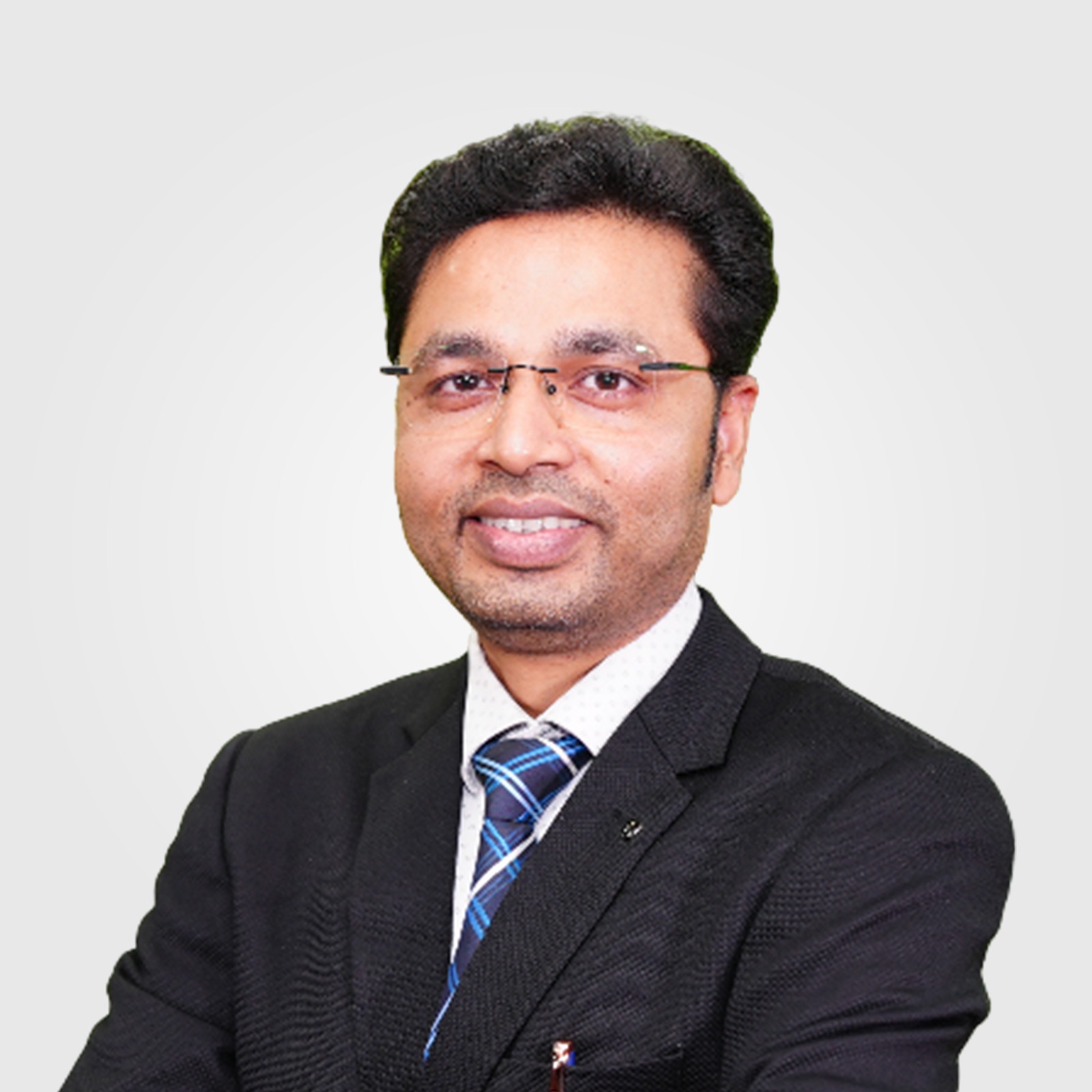
MBBS, MS (Orthopaedics)
ACL and meniscus surgery, shoulder arthroscopy, sports injuries and fractures. OPD: Monday to Saturday, 10 am – 5 pm.
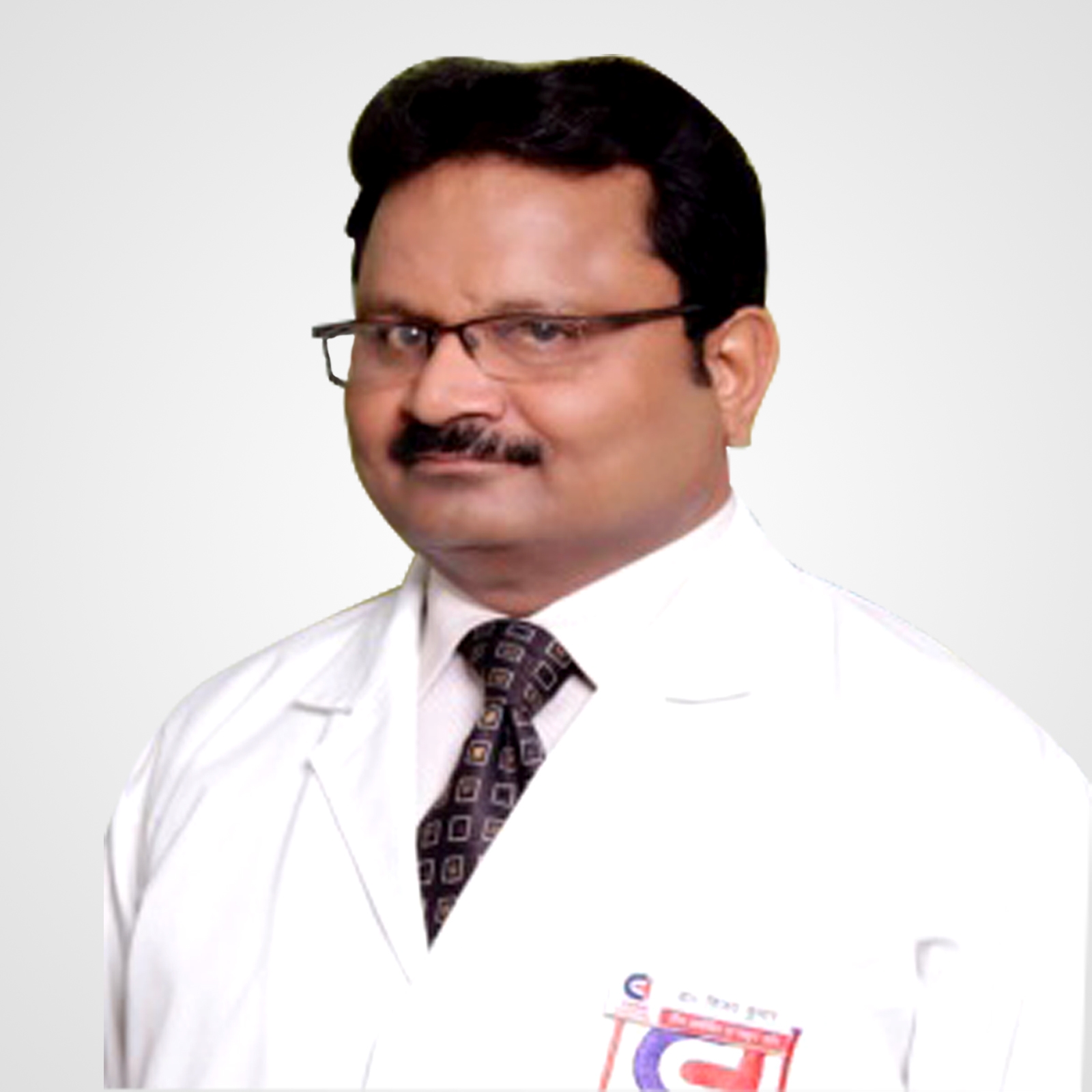
MBBS, MS (Orthopaedics)
Fractures and trauma, joint pain and general orthopaedics. OPD: Monday to Saturday, 10 am – 5 pm.
A little preparation helps us make the most of your appointment.
Tick off as you pack:
Costs depend on the tests and treatment you need. Ask our team for a written estimate before planned tests, procedures or admission.
*Coverage depends on your policy and the treatment. Our insurance desk can check this for you.
Call 99190 40000When knee pain from advanced arthritis stops you walking or sleeping despite exercises, weight control and medicines. Your surgeon will show you your X-rays and discuss the benefits and risks.
Modern joint replacements last many years in most people. Keeping a healthy weight and staying active within your surgeon’s advice helps them last longer.
Usually a few days. Walking with support starts the day after surgery.
Not always. Less active people may manage with physiotherapy. Surgery is advised for an unstable knee or if you want to return to sports that involve turning and jumping.
Keyhole surgery using a small camera and instruments through tiny cuts, used to repair ligaments, meniscus and shoulder tendons.
Most fractures in adults take 6–12 weeks to heal, longer in older adults and smokers. Physiotherapy afterwards helps regain movement.
Costs depend on the implant, one or both knees, and the length of stay. Ask for a written estimate. Our knee replacement cost guide explains the main factors.
Call the bone and joint helpline on 99190 40000, the hospital on 0522-666-4444, or use the request call back form on this page. For fractures and injuries, come to the 24×7 emergency.
No matching term. Please ask your doctor at your next visit.
Speak with our bone and joint team. For injuries and fractures, come straight to the 24×7 emergency.
Medical information disclaimer: This page provides general health information for patients and families. It is not a substitute for a consultation, diagnosis or treatment by a qualified doctor. Treatment decisions depend on each patient's individual condition. In an emergency, call 0522-666-4444 or go to the nearest emergency department.
About this page: Prepared by the Charak Hospital web team with the help of AI writing tools, using information from the Department of Orthopaedics & Joint Replacement, Charak Hospital & Research Centre · Last updated: October 2026
Videos
Short talks by Charak Hospital doctors on symptoms, prevention and treatment. General information only — not a substitute for a consultation.
