Pulmonologist
Dr. Jugendra Singh
MBBS, MD, DM (Pulmonology & Critical Care)
Asthma, COPD, ILD, sleep apnoea, bronchoscopy and respiratory critical care. OPD: Monday to Saturday, 10 am – 5 pm.

A cough that will not go away, breathlessness, wheezing, TB, or loud snoring with daytime sleepiness? Our pulmonologists at Charak Hospital, Hardoi Road, Dubagga, diagnose chest and sleep problems with lung function tests, scans and bronchoscopy, and treat them with inhalers, medicines and respiratory care.
Share your details — our coordinator will call you back to schedule a visit.
Lung diseases such as asthma and COPD are common in North India, made worse by air pollution, smoke from cooking fuels and tobacco. Most can be controlled well with the right inhaler and regular review. We also treat TB, pneumonia, lung scarring and sleep apnoea.
Diagnosis, inhalers, flare management and pulmonary rehabilitation.
Pneumonia, tuberculosis and other chest infections.
Lung scarring and other long-term lung conditions.
Snoring, sleep apnoea and other sleep problems.
See a doctor if any of these last more than 2–3 weeks, or keep coming back.
Especially with phlegm, blood, fever or weight loss.
Getting breathless on walking or climbing stairs, or at night.
Whistling in the chest, often worse at night or with dust or cold air.
Any blood in the phlegm needs checking.
Fever, chills and chest pain on breathing.
Possible TB or other serious illness.
Pauses in breathing at night, morning headaches.
Smokers with cough or breathlessness should have a lung check.
Go to emergency straight away for severe breathlessness, blue lips, chest pain, coughing up a lot of blood, or confusion with breathing difficulty. Call 0522-666-4444.
Tap a condition to read the common signs, how it is diagnosed and how it is treated.
Wheezing, cough (often at night), chest tightness and breathlessness, triggered by dust, cold or exercise.
History, spirometry with reversibility test and peak flow monitoring.
Daily preventer inhalers, reliever inhalers for symptoms, and an action plan.
See asthma action planLong-term cough with phlegm and breathlessness that slowly worsens, usually in smokers or people exposed to smoke.
Spirometry, chest X-ray and oxygen levels.
Stopping smoking, inhalers, vaccinations, pulmonary rehabilitation and oxygen when needed.
Read about COPDAsthma, post-nasal drip, acid reflux, smoking, medicines or lung disease.
Examination, chest X-ray and lung function tests.
Treating the cause.
Breathlessness & COPDFever, cough with phlegm, chest pain on breathing and breathlessness.
Examination, chest X-ray and blood tests.
Antibiotics; hospital care, oxygen or ICU for severe pneumonia.
Read about pneumoniaCough for over 2 weeks, fever, night sweats, weight loss and sometimes blood in phlegm.
Sputum tests (including rapid molecular tests), chest X-ray and sometimes bronchoscopy.
A full course of TB medicines, usually for at least 6 months. Completing treatment is essential.
Read about TBBreathlessness and chest pain on breathing.
Chest X-ray, ultrasound and testing a sample of the fluid.
Draining the fluid and treating the cause, such as TB or infection.
Dry cough and slowly worsening breathlessness.
High-resolution CT scan, lung function tests and sometimes biopsy.
Treating the cause, anti-fibrotic or immune medicines, and oxygen if needed.
Read about ILDRapidly worsening breathlessness and low oxygen, often with a serious infection.
Oxygen levels, chest X-ray or CT.
ICU care with oxygen and ventilator support.
Read about ARDSDaily cough with large amounts of phlegm and repeated chest infections.
CT scan and sputum tests.
Airway clearance, antibiotics for flares and inhaled treatments.
Read about cystic fibrosisOften none; cough, blood in phlegm, weight loss or chest pain.
CT scan, bronchoscopy or biopsy.
Monitoring small nodules; treatment with the oncology team for cancer.
Oncology at CharakSneezing, blocked or runny nose, itchy eyes, often with asthma.
History and sometimes allergy tests.
Avoiding triggers, nasal sprays and medicines, with ENT care when needed.
ENT at CharakLoud snoring, gasping at night, daytime sleepiness, morning headaches and high BP.
Sleep study (polysomnography).
Weight loss, sleeping position, CPAP therapy, and ENT surgery for some.
See sleep treatmentTrouble falling or staying asleep, waking unrefreshed.
Sleep history and diary; sleep study when needed.
Sleep habits, treating the cause, and short-term medicines when needed.
No match found. Please call us on 0522-666-4444 — we will guide you.
Lung problems are diagnosed with a few simple tests. Bronchoscopy and CT scans are used when needed.
Your symptoms, smoking and exposure history, and a chest examination.
Chest X-ray and oxygen level (SpO2).
Spirometry to measure how well you breathe out.
High-resolution CT and sputum tests for TB and infection.
A camera test of the airways, or an overnight sleep study.
An action plan tells you what to do when asthma changes. Tap a zone to see what it means.
Choose a topic to see what treatment involves and how to stay safe.
Inhalers deliver medicine straight to the lungs with fewer side effects than tablets. Preventers control inflammation; relievers open the airways quickly.
Preventer inhalersReliever inhalersSpacersNebulisationTB is curable with a full course of medicines. Taking every dose for the whole course prevents relapse and drug resistance.
Rapid TB testsTB medicinesDrug-resistant TB careContact screeningSevere breathing problems are treated with oxygen, non-invasive ventilation (BiPAP) or a ventilator in the ICU, alongside treatment of the cause.
Oxygen therapyBiPAP / NIVVentilator careHome oxygen adviceA thin, flexible camera is passed through the nose or mouth into the airways to look for problems and take samples.
Diagnostic bronchoscopyBronchoalveolar lavageBiopsyA sleep study confirms the diagnosis. CPAP — a small machine that keeps the airway open with gentle air pressure — is the main treatment.
Sleep studyCPAP therapyWeight managementENT assessmentA programme of exercise, breathing techniques and education helps people with COPD and other lung diseases breathe and move better.
Breathing exercisesSupervised exerciseAirway clearanceEducationTests, procedures and guides. Tap a card to read more.
Tell us about your symptoms, smoking and work exposures.
Chest X-ray, oxygen and lung function tests.
Your results and treatment explained.
Inhalers, medicines or procedures, with technique training.
Breathing exercises and vaccinations.
Regular reviews to keep symptoms under control.
Smoking, outdoor air pollution and smoke from wood or cow-dung cooking fires are major causes of lung disease in North India. A simple breathing test can find problems early.
Ask for a lung function test if any of these apply:
Tap each one you do:
If your reliever inhaler is needed more than twice a week, your asthma may not be well controlled — book a review.
Book a lung checkGeneral guidance — always follow the specific advice your doctor gives you.
Take your preventer every day and follow your action plan.
Avoid triggers such as dust, smoke and strong smells.
Stop smoking — it is the most important step.
Do breathing exercises and stay as active as you can.
Take every dose for the whole course, even when you feel better.
Eat well and attend all follow-up tests.
Use oxygen for the hours prescribed.
Keep it away from flames and never smoke near it.
Use CPAP every night and keep the mask clean.
Lose weight if advised and avoid alcohol at night.
Stay indoors when pollution is high and keep windows closed.
Carry your reliever inhaler.
These are general guides. Your doctor may advise different timings based on your health.
| Who | What we recommend | How often |
|---|---|---|
| Anyone with cough over 2 weeks | Sputum TB test and chest X-ray | Promptly |
| Smokers 40 and above | Spirometry | Once, then as advised |
| People with asthma or COPD | Review of inhalers and technique | Every 3–6 months |
| Adults 50+ and people with lung disease | Flu vaccine | Every year |
| Adults 65+ and people with lung disease | Pneumococcal vaccine | As advised |
| Close contacts of a person with TB | TB screening | As advised |
Tap a card to see the fact.
Inhalers are not addictive. They are the safest and most effective way to treat asthma and COPD.
Inhalers are used at every stage. Early, regular use keeps asthma under control.
TB is curable when the full course of medicines is taken.
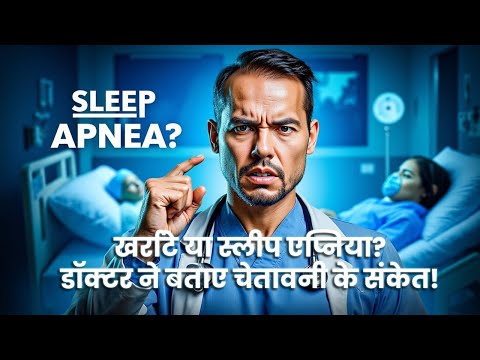
Loud snoring with pauses in breathing can be sleep apnoea, which raises the risk of high BP and accidents.
Stopping early can bring TB back and cause drug resistance.
Air pollution, cooking smoke, dust, infections and genetics also cause lung disease.
MBBS, MD, DM (Pulmonology & Critical Care)
Asthma, COPD, ILD, sleep apnoea, bronchoscopy and respiratory critical care. OPD: Monday to Saturday, 10 am – 5 pm.

MBBS, MD (Tuberculosis & Respiratory Medicine)
TB, chest infections, asthma and COPD. OPD: Monday to Saturday, 10 am – 5 pm.
A little preparation helps us make the most of your appointment.
Tick off as you pack:
Costs depend on the tests and treatment you need. Ask our team for a written estimate before planned tests, procedures or admission.
*Coverage depends on your policy and the treatment. Our insurance desk can check this for you.
Call 0522-666-4444Asthma cannot be cured, but it can be controlled so that most people live normal, active lives.
Usually at least 6 months for drug-sensitive TB; longer for drug-resistant TB. Every dose must be taken.
A simple breathing test where you blow hard into a machine. It shows how well your lungs work.
Not usually. A chest X-ray and lung function tests are enough for most people. CT is advised for specific concerns.
An overnight test that records breathing, oxygen and sleep to diagnose sleep apnoea.
Most people get used to CPAP within a few weeks, especially with a well-fitting mask.
Yes. Flu and pneumococcal vaccines are usually advised. Ask your doctor.
Call 0522-666-4444 or use the request call back form on this page. For severe breathlessness, come straight to the 24×7 emergency.
No matching term. Please ask your doctor at your next visit.
Speak with our chest team. For severe breathlessness, come straight to the 24×7 emergency department.
Medical information disclaimer: This page provides general health information for patients and families. It is not a substitute for a consultation, diagnosis or treatment by a qualified doctor. Treatment decisions depend on each patient's individual condition. In an emergency, call 0522-666-4444 or go to the nearest emergency department.
About this page: Prepared by the Charak Hospital web team with the help of AI writing tools, using information from the Institute of Pulmonary & Sleep Medicine, Charak Hospital & Research Centre · Last updated: October 2026
Videos
Short talks by Charak Hospital doctors on symptoms, prevention and treatment. General information only — not a substitute for a consultation.