NABH Accredited · Charak Hospital

Brain & Spine Tumour Surgery

Advanced Neurosurgical Oncology — Glioma, Meningioma, Metastasis & Spinal Tumours

NABH
Accredited
24/7
Emergency
27+
Specialities
45+
Experts
About This Service

Best Brain & Spine Tumour Surgery in Lucknow

At Charak Hospital, Lucknow

Brain and spine tumours require specialised neurosurgical expertise and advanced technology for safe and effective treatment. Charak Hospital's Institute of Neurosciences in Lucknow offers comprehensive neurosurgical oncology — from microsurgical tumour removal to awake craniotomy — with 24/7 neuro-emergency support.
Expert Surgical Care
Charak Hospital, Lucknow
0522-666-4444
What We Treat

Procedures & Treatments

Comprehensive surgical options performed by our expert oncosurgery team at Charak Hospital, Lucknow.

01

Craniotomy for Brain Tumour

Open microsurgical removal of primary brain tumours (glioma, meningioma, metastasis) using advanced neuronavigation, intraoperative ultrasound, and 5-ALA fluorescence-guided resection.

02

Awake Craniotomy

Brain tumour surgery performed while the patient is awake to allow real-time neurological monitoring — enabling maximum safe tumour resection near eloquent areas (speech, motor cortex).

03

Pituitary Tumour Surgery

Endoscopic transsphenoidal surgery for pituitary adenomas via the nose — minimally invasive with no scalp incision required.

04

Acoustic Neuroma Surgery

Microsurgical removal of vestibular schwannomas (acoustic neuromas) with hearing and facial nerve preservation using retrosigmoid or translabyrinthine approaches.

05

Spinal Cord Tumour Surgery

Microsurgical removal of intramedullary, intradural extramedullary, and extradural spinal tumours with neurophysiological monitoring.

06

Brain Metastasis Surgery

Surgical resection of single or oligometastatic brain lesions from breast, lung, kidney, and melanoma primaries to relieve mass effect and improve survival.

Why Choose Us

Why Charak Hospital
for Brain & Spine Tumour Surgery?

NABH-accredited, patient-first care with the best surgical outcomes in Lucknow.

Book Consultation

Advanced neuronavigation system for precise tumour localisation

Intraoperative neurophysiological monitoring for function preservation

Dedicated neurosurgical ICU with 24/7 specialist cover

5-ALA fluorescence-guided surgery for high-grade gliomas

Integrated neuro-oncology team with medical oncology & radiation

Our Experts

Meet the Specialists

Our team of experienced specialists are dedicated to delivering the best surgical outcomes for our patients.

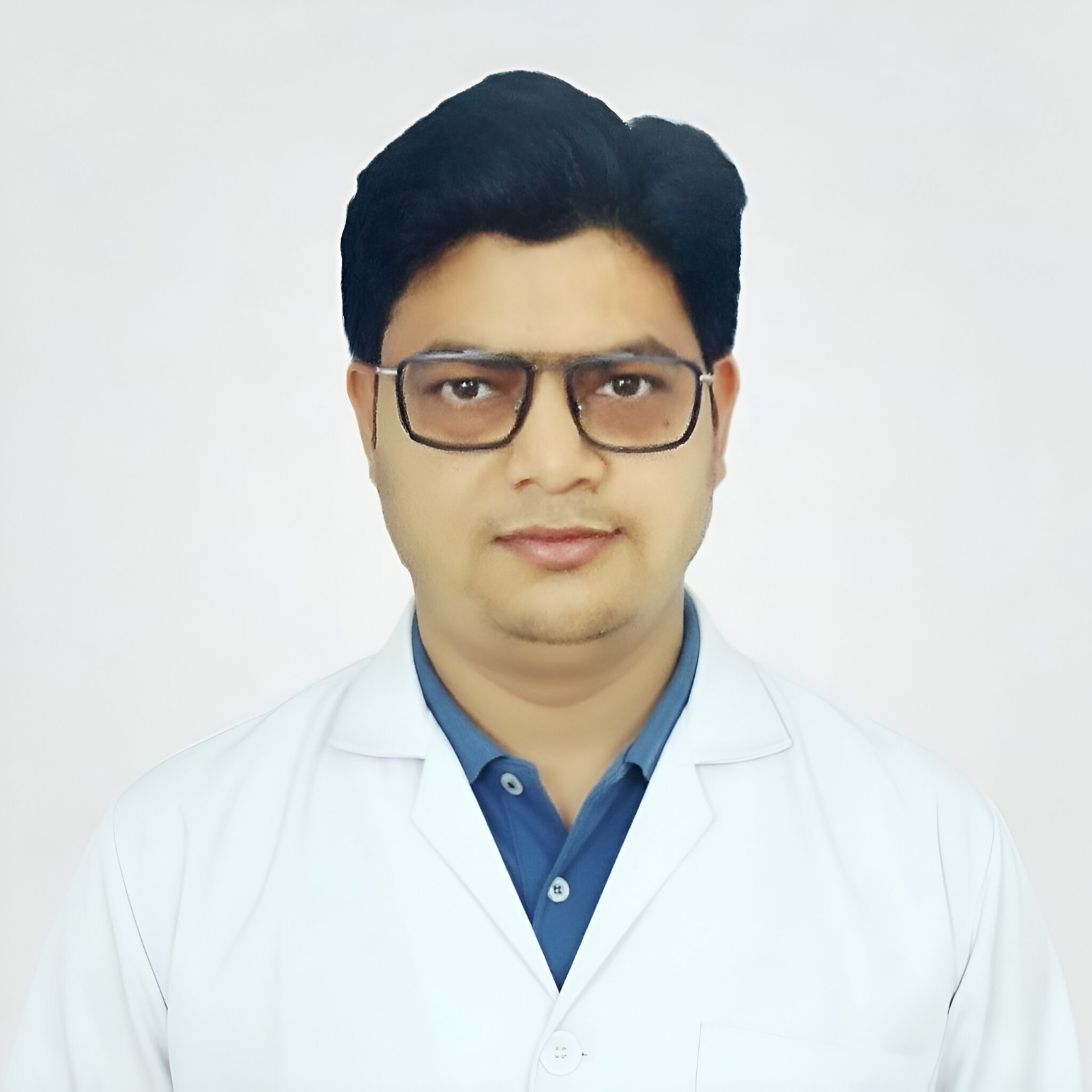
Dr. Ashish Tomar at Charak Hospital Lucknow

Dr. Ashish Tomar

Consultant Neurosurgeon

MBBS, MS, M.Ch (Neurosurgery)

14+ Years Experience View Profile →
Dr. Ajay Kumar at Charak Hospital Lucknow

Dr. Ajay Kumar

Senior Consultant Neurosurgeon

MBBS, MS, M.Ch (Neurosurgery)

15+ Years Experience View Profile →
FAQs

Frequently Asked Questions

Answers to common questions about Brain & Spine Tumour Surgery at Charak Hospital, Lucknow.

Symptoms include persistent headaches (worse in the morning), new-onset seizures, weakness or numbness in limbs, vision changes, memory problems, speech difficulty, and personality changes. Any new neurological symptom warrants urgent brain MRI.
Brain surgery carries risks, but modern techniques (neuronavigation, intraoperative monitoring, awake craniotomy) have significantly improved safety. The risk of significant neurological deficit after brain tumour surgery is less than 5% in experienced hands at a dedicated neurosurgical centre.
Awake craniotomy is a technique where the patient is kept awake during the tumour resection to allow real-time testing of speech and motor function. This enables maximum safe resection of tumours in or near eloquent (functional) brain areas while minimising neurological deficits.
Benign brain tumours (meningioma, acoustic neuroma, pituitary adenoma) grow slowly and do not spread to other parts of the body — but can still cause symptoms by compressing brain structures. Malignant tumours (glioblastoma, brain metastases) are aggressive and require combined surgery, radiation, and chemotherapy.
For glioblastoma (GBM Grade IV), surgery followed by concurrent chemoradiation (Stupp protocol) gives a median survival of 14–16 months. However, some patients live significantly longer, especially younger patients with favourable molecular markers (IDH mutation, MGMT methylation). Clinical trials offer additional options.

Ready to Get Started?

Our expert surgical oncology team at Charak Hospital, Lucknow is here for you — 24/7. Book your consultation today.