
Gastroenterologist
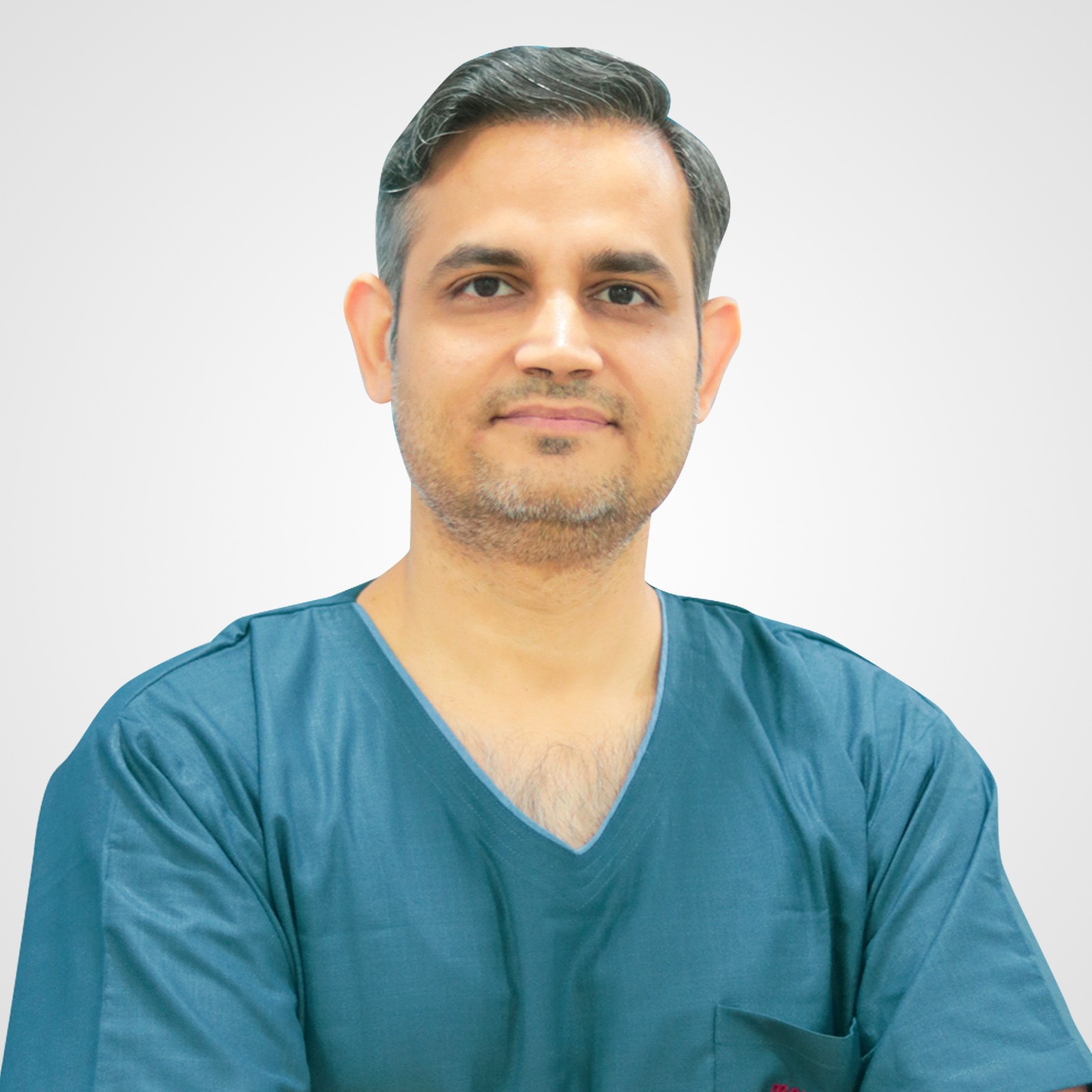
Dr. Mudit Kotwal
MBBS, MD, DM (Gastroenterology)
Endoscopy, colonoscopy, liver disease, IBD and pancreas problems. OPD: Monday to Saturday, 10 am – 5 pm.

Acidity that will not settle, abdominal pain, loose motions, bleeding, jaundice or a fatty liver report? Our gastroenterologists at Charak Hospital, Hardoi Road, Dubagga, diagnose digestive and liver conditions with endoscopy and scans, and treat most of them with medicines or endoscopic procedures — without surgery.
Share your details — our coordinator will call you back to schedule a visit.
Gastroenterologists diagnose and treat problems of the food pipe, stomach, intestines, liver, gallbladder and pancreas. Most conditions are treated with medicines, diet changes and endoscopic procedures. When surgery is needed, we work with our surgical gastroenterology team.
GERD, gastritis, ulcers and H. pylori infection.
IBS, IBD, chronic diarrhoea, constipation and bleeding.
Fatty liver, hepatitis B and C, cirrhosis and jaundice.
Diagnostic and therapeutic endoscopy, colonoscopy and ERCP.
See a doctor if any of these last more than 2–3 weeks, or keep coming back.
Burning in the chest or upper abdomen, sour belching, or needing antacids often.
Food sticking, pain on swallowing or vomiting.
Pain, bloating or fullness that keeps coming back.
Loose motions, constipation or alternating patterns.
Black stools, fresh blood, or vomiting blood.
Yellow eyes or skin, dark urine or pale stools.
Fatty liver on ultrasound, or raised liver enzymes on a blood test.
Unexplained weight loss or anaemia.
Go to emergency straight away if you vomit blood, pass black or bloody stools, have severe abdominal pain, or have jaundice with confusion or drowsiness. Call 0522-666-4444.
Tap a condition to read the common signs, how it is diagnosed and how it is treated.
Heartburn, sour belching, chest discomfort and cough at night.
Symptoms; endoscopy for persistent or warning symptoms.
Diet and lifestyle changes, acid-reducing medicines, and treating complications.
Read about GERDUpper abdominal pain or burning, nausea, black stools if bleeding.
Endoscopy and H. pylori tests.
Acid-reducing medicines, treating H. pylori, and avoiding painkillers that harm the stomach.
Read about peptic ulcersOften none; can cause gastritis and ulcers.
Breath test, stool test or biopsy during endoscopy.
A course of antibiotics with acid-reducing medicine, then a test to confirm clearance.
Read about gastritisAbdominal pain with loose stools, constipation or both, bloating.
History, blood and stool tests; colonoscopy if there are warning signs.
Diet changes, stress management and medicines for symptoms.
Read about IBSDiarrhoea with blood or mucus, abdominal pain, weight loss.
Colonoscopy, biopsy, stool and blood tests, and scans.
Long-term medicines to control inflammation; surgery for some patients.
Read about ulcerative colitisVomiting blood, black stools or fresh blood in stools.
Urgent endoscopy or colonoscopy.
Endoscopic treatment to stop bleeding, plus medicines and blood transfusion if needed.
See warning signsInfrequent or hard stools, or loose motions for weeks.
History, blood and stool tests, and colonoscopy if needed.
Diet, fluids and medicines for the cause.
Usually none; found on ultrasound or blood tests.
Ultrasound, liver tests and FibroScan-type tests to check scarring.
Weight loss, exercise, diet changes, and controlling diabetes and cholesterol.
Read about liver diseaseOften none for years; tiredness or jaundice in some.
Blood tests for the virus and liver function.
Antiviral medicines; hepatitis C can usually be cured with tablets.
Swelling of the abdomen, jaundice, vomiting blood, confusion.
Blood tests, ultrasound, endoscopy for varices.
Treating the cause, medicines, banding of varices, and assessment for transplant when needed.
Yellow eyes, dark urine, pale stools, itching.
Liver function tests, ultrasound and further tests for the cause.
Depends on the cause — hepatitis, stones or blockage — with medicines or ERCP.
See testsOften none early; jaundice, swelling or bleeding later.
Blood tests and ultrasound.
Stopping alcohol completely, nutrition support and treatment of complications.
De-addiction supportJaundice, pain, fever and shivering.
Ultrasound, MRCP and blood tests.
ERCP to remove stones or place a stent.
GI surgerySevere upper abdominal pain spreading to the back, vomiting.
Blood tests and CT scan.
Hospital care, fluids and pain relief; treating the cause such as gallstones or alcohol.
No match found. Please call us on 0522-666-4444 — we will guide you.
Many digestive problems can be diagnosed with blood tests, an ultrasound and a camera test. Biopsies are taken during endoscopy when needed.
Your symptoms, diet, medicines, alcohol use and family history.
Blood count, liver tests, hepatitis tests and stool tests.
Ultrasound of the abdomen; CT or MRCP when needed.
A camera test of the food pipe, stomach and first part of the intestine.
A camera test of the large bowel, with biopsy or polyp removal.
Most people with fatty liver never develop serious disease, but some do. Tap a stage to see what it means.
Choose a topic to see what treatment involves and how to stay safe.
A thin, flexible camera is passed through the mouth to look at the food pipe, stomach and duodenum. Biopsies can be taken and some problems treated at the same time.
Diagnostic endoscopyBiopsyVariceal bandingStopping ulcer bleedingDilatationA camera passed through the back passage examines the large bowel. Polyps can be removed and biopsies taken.
Diagnostic colonoscopyPolyp removalBiopsyERCP uses an endoscope and X-rays to remove bile duct stones or place stents to relieve blockages, without open surgery.
Stone removalBiliary stentingSphincterotomyLiver disease is treated by addressing the cause — weight, alcohol, viruses or medicines — and preventing complications with regular checks.
Fatty liver programmeHepatitis B and C treatmentCirrhosis careLiver cancer surveillanceMost acidity and ulcer problems improve with medicines, treating H. pylori and lifestyle changes.
Acid-reducing medicinesH. pylori treatmentDiet adviceIBD and IBS need long-term plans that may include medicines, diet changes and regular reviews.
IBD medicinesDiet plansRegular colonoscopy for IBDTests, procedures and guides. Tap a card to read more.
Tell us about your symptoms, diet and medicines.
Blood, stool and ultrasound tests, often the same day.
Planned with fasting or bowel preparation advice.
Results and treatment explained.
Medicines, diet plan or endoscopic procedure.
Reviews to check progress.
Fatty liver is found in many adults in India, especially those with extra weight around the waist, diabetes or high cholesterol. It can be reversed in its early stages.
Ask for a liver test and ultrasound if any of these apply:
Tap each one you do:
Even a 5–10% weight loss can reduce liver fat.
Book a liver checkGeneral guidance — always follow the specific advice your doctor gives you.
Eat smaller meals, avoid late dinners and raise the head of the bed if symptoms are worse at night.
Notice triggers such as spicy food, tea, coffee or smoking.
Eat regular meals and try reducing foods that trigger symptoms.
Stress management and regular exercise help many people.
Take your medicines even when you feel well.
Report blood in stools, fever or weight loss promptly.
Aim for gradual weight loss with diet and exercise.
Control sugar and cholesterol and avoid alcohol.
Limit salt, avoid alcohol and take medicines as prescribed.
Attend scans every 6 months to check for complications.
Fast as advised and follow the bowel preparation instructions carefully.
Bring a family member if you will be sedated.
These are general guides. Your doctor may advise different timings based on your health.
| Who | What we recommend | How often |
|---|---|---|
| Adults 45 and above | Discuss bowel cancer screening | As advised |
| People with diabetes or obesity | Liver function tests and ultrasound | Every year |
| People with hepatitis B | Liver tests and ultrasound | Every 6–12 months |
| People with cirrhosis | Ultrasound and AFP test | Every 6 months |
| People with long-standing IBD | Surveillance colonoscopy | As advised |
| Everyone not immune | Hepatitis B vaccination | Once (3 doses) |
Tap a card to see the fact.
Most fatty liver is mild, but in some people it causes inflammation and scarring. It is worth treating early.
Jaundice has many causes, some serious. A doctor should find the cause.
Endoscopy is usually done with a throat spray or sedation and is generally well tolerated.
Most ulcers are caused by H. pylori infection or painkillers. Spicy food can worsen symptoms in some people.
Fatty liver linked to weight and diabetes is now a common cause of liver disease.
Fibre, fluids and activity help most people. Long-term laxative use should be guided by a doctor.
MBBS, MD, DM (Gastroenterology)
Endoscopy, colonoscopy, liver disease, IBD and pancreas problems. OPD: Monday to Saturday, 10 am – 5 pm.
MBBS, MD, DNB (Gastroenterology)
Acidity, ulcers, IBS, fatty liver, hepatitis and endoscopy. OPD: Monday to Saturday, 10 am – 5 pm.
A little preparation helps us make the most of your appointment.
Tick off as you pack:
Costs depend on the tests and treatment you need. Ask our team for a written estimate before planned tests, procedures or admission.
*Coverage depends on your policy and the treatment. Our insurance desk can check this for you.
Call 0522-666-4444Not always. Endoscopy is advised if acidity persists despite treatment, or if you have difficulty swallowing, vomiting, weight loss, anaemia or are over 45 with new symptoms.
It is a common, generally safe test. Your doctor will explain the small risks before the procedure.
Early fatty liver can often be reversed with weight loss, exercise and avoiding alcohol.
Hepatitis B can usually be controlled with medicines; hepatitis C can usually be cured with tablets. Vaccination prevents hepatitis B.
ERCP is used to remove bile duct stones and to place stents to relieve blockages of the bile duct or pancreas.
You will be given a bowel preparation to drink the day before and advised on diet. Follow the instructions carefully so the bowel is clean.
When there are gallstones with symptoms, some complications of ulcers or IBD, hernias or tumours. We work closely with the GI surgery team.
Call 0522-666-4444 or use the request call back form on this page. For vomiting blood or black stools, come straight to the 24×7 emergency.
No matching term. Please ask your doctor at your next visit.
Speak with our gastroenterology team. For vomiting blood or black stools, come straight to the 24×7 emergency.
Medical information disclaimer: This page provides general health information for patients and families. It is not a substitute for a consultation, diagnosis or treatment by a qualified doctor. Treatment decisions depend on each patient's individual condition. In an emergency, call 0522-666-4444 or go to the nearest emergency department.
About this page: Prepared by the Charak Hospital web team with the help of AI writing tools, using information from the Department of Medical Gastroenterology & Hepatology, Charak Hospital & Research Centre · Last updated: October 2026
Videos
Short talks by Charak Hospital doctors on symptoms, prevention and treatment. General information only — not a substitute for a consultation.

