
Interventional Cardiologist
Dr. Manish Kumar Jha
MBBS, MD (General Medicine), DM (Cardiology)
Angiography, angioplasty and stents, heart attack and heart failure care. OPD: Monday to Saturday, 10 am – 2 pm.

Chest pain, breathlessness, palpitations or a worrying ECG? Our cardiologists and cardiac surgeon at Charak Hospital, Hardoi Road, Dubagga, find the cause with ECG, echo and angiography, and treat it with medicines, angioplasty or heart surgery.
Share your details — our coordinator will call you back to schedule a visit.
Most heart problems build up over years — narrowed arteries, high blood pressure, a leaking or tight valve, or a heart that pumps weakly. Finding them early, and treating them in the right order, protects the heart muscle. Our cardiologists and cardiac surgeon work as one team, so you get one plan.
Coronary angiography, angioplasty and stents for blocked heart arteries.
Bypass surgery (CABG), valve repair and replacement, and other heart operations.
ECG, Holter monitoring, medicines and devices for heart rhythm and pumping problems.
Blood pressure, cholesterol and diabetes control, and supervised recovery after treatment.
Some heart symptoms are an emergency; others need a planned visit. See a cardiologist if any of these keep coming back.
Tightness, heaviness or burning in the chest, especially on walking or climbing stairs.
Getting breathless on mild effort, or needing extra pillows to breathe at night.
A racing, pounding or irregular heartbeat, or skipped beats.
Feeling faint, blacking out or near-fainting, especially on effort.
Swelling of the ankles or legs, or sudden weight gain from fluid.
Getting tired much more easily than before when walking or working.
These raise heart risk even without symptoms; a heart check is worthwhile.
A report from a check-up that mentions changes, a murmur or a valve problem.
Call emergency straight away if chest pain lasts more than 5 minutes, spreads to the arm, jaw or back, or comes with sweating, breathlessness or fainting. Do not drive yourself. Call 0522-666-4444.
Tap a condition to read the common signs, how it is diagnosed and how it is treated.
Chest pain or pressure on effort that settles with rest, breathlessness, or no symptoms at all in some people with diabetes.
ECG, echo, a treadmill test (TMT) and coronary angiography or CT angiography to see the blockages.
Medicines and risk-factor control for many patients; angioplasty with stents or bypass surgery when blockages are severe.
About coronary angioplastySevere chest pain or pressure, sweating, breathlessness, vomiting or fainting. It is an emergency.
ECG and troponin blood test in the emergency department, followed by angiography.
Opening the blocked artery as quickly as possible, usually by angioplasty, followed by medicines and cardiac rehabilitation.
See warning signsBreathlessness, tiredness, chest pain, fainting on effort, or a murmur heard by the doctor.
Echocardiography shows which valve is affected and how severely.
Regular monitoring and medicines at first; valve repair or replacement when the valve is severely affected.
About valve replacementBreathlessness, palpitations and tiredness, often in young adults; sometimes found in pregnancy.
Echo to see the damaged valves, and ECG for rhythm problems.
Medicines, preventive penicillin when advised, balloon or surgical valve treatment when needed.
About aortic valve surgeryPalpitations, breathlessness, dizziness or tiredness; some people have no symptoms.
ECG, 24-hour Holter monitoring and echo.
Medicines to control the rate or rhythm, and blood thinners to lower stroke risk when needed.
See rhythm treatmentDizziness, fainting, tiredness and breathlessness.
ECG and Holter monitoring, with a review of medicines that slow the heart.
Stopping the cause where possible; a permanent pacemaker when the heart rate is dangerously slow.
See pacemaker informationBreathlessness, swelling of the feet, tiredness and waking up breathless at night.
Echo (ejection fraction), ECG, chest X-ray and blood tests including kidney function.
Medicines that protect the heart, salt and fluid advice, treating the cause, and regular follow-up.
Living with heart diseaseBreathlessness, palpitations, chest discomfort or fainting; sometimes found in families.
Echo, ECG, Holter monitoring and sometimes cardiac MRI.
Heart failure medicines, rhythm treatment and family screening where advised.
Usually none. Severe high BP can cause headache, chest pain or breathlessness.
Repeated BP readings, home BP records, and tests for kidney, heart and sugar.
Less salt, regular activity, weight control and BP medicines taken every day.
Understand your BP numbersNone. Very high levels or early heart attacks in the family can point to an inherited cause.
A lipid profile blood test.
Diet and activity changes and statin or other cholesterol-lowering medicines.
See screening adviceHeart disease may cause breathlessness or tiredness rather than typical chest pain.
ECG, echo and stress testing as advised, along with sugar, BP and cholesterol control.
Joint care with the endocrinology team, including heart-protective diabetes medicines where suitable.
Endocrinology & diabetesNo match found. Please call us on 0522-666-4444 — we will guide you.
Most heart conditions can be diagnosed with a few simple tests. Angiography is done only when the result will change your treatment.
Your symptoms, risk factors and medicines, with a resting ECG.
An ultrasound of the heart to check pumping strength and valves.
A treadmill test for chest pain on effort, or 24-hour ECG for palpitations.
Troponin, lipids, sugar, kidney and thyroid tests as needed.
Coronary angiography or CT angiography to look at the heart arteries when needed.
Blood pressure is written as top (systolic) over bottom (diastolic) number. Tap a range to see what it means.
Choose a topic to see what treatment involves and how to stay safe.
Most heart conditions are treated first with medicines — to thin the blood, lower cholesterol and BP, protect the heart muscle and control rhythm. Many people need them long-term, even after a stent or surgery.
AntiplateletsStatinsBP medicinesHeart failure medicinesBlood thinnersAngiography uses dye and X-rays to show the heart arteries. If a severe blockage is found, angioplasty opens it with a balloon and a stent, through the wrist or groin, without open surgery.
Coronary angiographyAngioplasty with stentsPrimary angioplasty for heart attackWrist (radial) accessBypass surgery creates new routes for blood around blocked arteries, using a vein from the leg or an artery from the chest or arm. It is often advised when several arteries are blocked or diabetes is present.
On-pump and off-pump CABGArterial graftsMinimally invasive options where suitableA tight or leaking valve can be repaired or replaced with a mechanical or tissue valve. The choice depends on your age, the valve affected and whether you can take blood thinners long-term.
Mitral valve repairMitral valve replacementAortic valve replacementDouble valve replacementIrregular heartbeats are usually controlled with medicines. A slow heart rate caused by heart block may need a permanent pacemaker, a small device placed under the skin below the collarbone.
ECG & HolterRate and rhythm controlBlood thinners for AFPacemaker implantationAfter a heart attack, stent or surgery, a supervised programme of exercise, diet advice and risk-factor control lowers the chance of another event and helps you return to normal life.
Supervised exerciseDiet and salt adviceTobacco cessationBP, sugar and cholesterol targetsTests, procedures and surgery available in the institute. Tap a card to read more.
Tell us about your symptoms, risk factors and past reports.
ECG and echo, often on the same day; TMT or Holter if needed.
Medicines, angioplasty or surgery explained, with a written estimate.
Done in our cath lab or cardiac theatre, with ICU support.
Mobilisation, diet advice and a plan for activity at home.
Regular reviews to adjust medicines and check your progress.
Heart attacks in India often happen at a younger age than in many other countries. Knowing your numbers helps you act before symptoms start.
Ask for a BP, sugar and cholesterol check — and an ECG if your doctor advises — if any of these apply:
Tap each one you know and have under control:
If you are unsure of any of these numbers, a simple check-up can tell you.
Book a heart checkGeneral guidance — always follow the specific instructions your cardiologist or surgeon gives you.
Rest for a day or two, then start gentle walking. Avoid lifting heavy weights with the arm used for the procedure for a few days.
Take your antiplatelet medicines every day. Stopping them early can cause the stent to block.
Walk a little more each day. Avoid lifting heavy weights, pushing or pulling for 6–8 weeks while the breastbone heals.
Keep the wound clean and dry and report redness, discharge or fever.
Take medicines at the same time each day and keep a list with you.
Never stop blood thinners, statins or BP medicines without advice.
Eat more vegetables, fruit, whole grains and pulses; limit fried food, sweets and red meat.
Keep salt below 5 g a day — about one level teaspoon in total.
Most people return to desk work in 1–2 weeks after a stent and 6–8 weeks after surgery.
Ask your doctor before driving or flying.
Feeling low after a heart event is common. Talk to your doctor if it lasts.
Aim for 7–8 hours of sleep and treat snoring or sleep apnoea.
These are general guides. Your doctor may advise different timings based on your health.
| Who | What we recommend | How often |
|---|---|---|
| Adults 30 and above | Blood pressure check | At least once a year |
| Adults 30 and above | Fasting sugar or HbA1c | Every 1–3 years; yearly with risk factors |
| Adults 30 and above | Lipid profile | Every 5 years; more often with risk factors |
| Family history of early heart disease | Lipid profile and heart risk review | From age 20, as advised |
| People with diabetes or high BP | ECG, kidney tests and lipids | Every year |
| After a heart attack, stent or surgery | Cardiology review | As advised, usually every 3–6 months at first |
Tap a card to see the fact.
In India, many heart attacks happen before the age of 50. Diabetes, tobacco, high BP and family history raise the risk at any age.
A stent opens one narrowing but does not cure the disease. Medicines and lifestyle changes are still needed to protect the other arteries.
Heart pain can be in the centre of the chest, the arm, jaw, back or upper stomach, and may feel like pressure or burning.
Gentle walking starts within a day or two. Staying active, step by step, helps recovery.
Pickles, papads, namkeen and packaged foods are very high in salt. Cutting them down makes a real difference to BP.
Normal readings usually mean the medicine is working. Stopping can make BP rise again.
MBBS, MD (General Medicine), DM (Cardiology)
Angiography, angioplasty and stents, heart attack and heart failure care. OPD: Monday to Saturday, 10 am – 2 pm.

MBBS, MD (General Medicine), DM (Cardiology)
Coronary angiography and angioplasty, chest pain, high BP and heart rhythm problems. OPD: Monday to Saturday, 10 am – 5 pm.
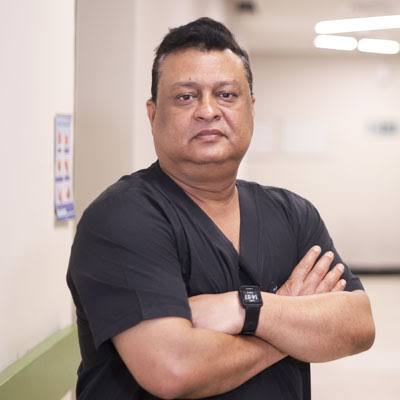
MBBS, MS, M.Ch (CTVS)
Bypass surgery (CABG), heart valve surgery and chest surgery. OPD: Monday to Saturday, 10 am – 4 pm.
A little preparation helps us make the most of your appointment.
Tick off as you pack:
Costs depend on the tests and treatment you need. Ask our team for a written estimate before planned tests, procedures or admission.
*Coverage depends on your policy and the treatment. Our insurance desk can check this for you.
Call 0522-666-4444It depends on how many arteries are blocked, where the blockages are, your heart function and conditions such as diabetes. Your cardiologist and cardiac surgeon will review your angiography together and explain the options.
A stent stays in the artery permanently. The main risk is new narrowing in the stent or other arteries, which is lowered by taking your medicines and controlling risk factors.
Most people go home in about a week, walk around the house soon after, and return to light work in 6–8 weeks. Full recovery of the breastbone takes about 3 months.
Do not stop them on your own. After a stent, two antiplatelet medicines are usually needed for a set time, then one long-term. Your cardiologist will tell you when to change.
A cardiologist diagnoses heart conditions and treats them with medicines and catheter procedures such as angioplasty. A cardiac (CTVS) surgeon performs operations such as bypass and valve surgery.
Not always. Your cardiologist will look at your symptoms, the TMT result and other tests before deciding whether angiography is needed.
Costs depend on the procedure, the number of stents or grafts, and the length of stay. Ask for a written estimate. Our CABG cost guide explains the main factors.
Call 0522-666-4444 or use the request call back form on this page. For chest pain, come straight to the 24×7 emergency department.
No matching term. Please ask your doctor at your next visit.
Speak with our heart team. For chest pain now, come straight to the 24×7 emergency department.
Medical information disclaimer: This page provides general health information for patients and families. It is not a substitute for a consultation, diagnosis or treatment by a qualified doctor. Treatment decisions depend on each patient's individual condition. In an emergency, call 0522-666-4444 or go to the nearest emergency department.
About this page: Prepared by the Charak Hospital web team with the help of AI writing tools, using information from the Institute of Cardiac Sciences, Charak Hospital & Research Centre · Last updated: October 2026
Videos
Short talks by Charak Hospital doctors on symptoms, prevention and treatment. General information only — not a substitute for a consultation.


