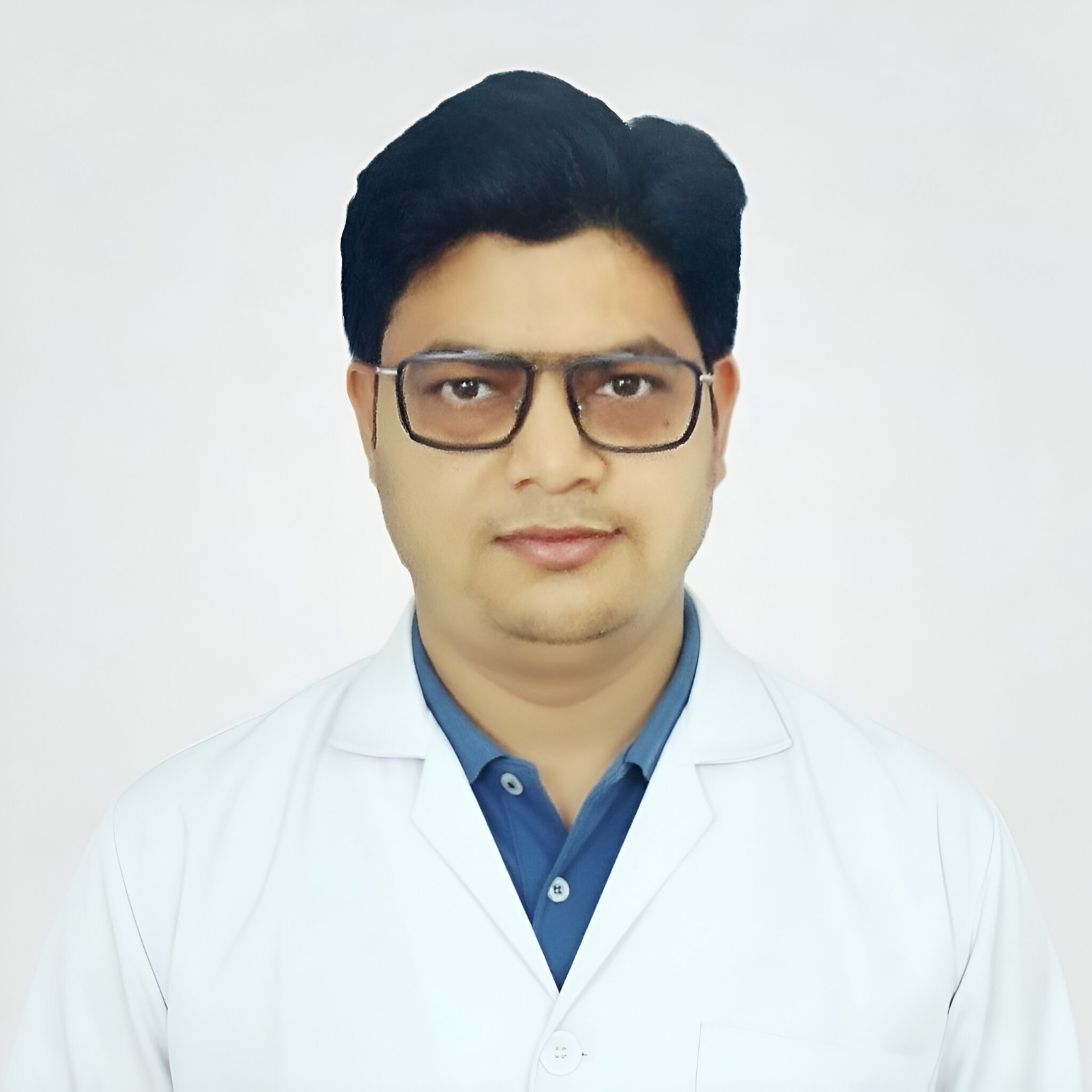
Neurosurgeon
Dr. Ajay Kumar
MBBS, MS, M.Ch (Neurosurgery)
Brain tumours, spine surgery and neurotrauma.

Hearing that you or a family member has a brain tumour is frightening. Many brain tumours are benign, and many can be treated. At Charak Hospital, Hardoi Road, Dubagga, neurosurgeons work with neurologists, radiologists and the cancer team to explain the diagnosis, plan surgery and arrange further treatment when needed.
Share your details — our coordinator will call you back to schedule a visit.
A brain tumour is an abnormal growth of cells in or near the brain. Benign (non-cancerous) tumours, such as most meningiomas and pituitary tumours, grow slowly. Malignant tumours, such as some gliomas, grow faster. Tumours can also spread to the brain from cancers elsewhere. Treatment depends on the type, size and position of the tumour and on your health.
Often curable or controllable with surgery.
Surgery followed by radiotherapy or chemotherapy.
To remove the tumour and relieve pressure.
Neurosurgery, oncology and rehab.
Symptoms depend on where the tumour is. See a doctor if you notice:
New, persistent, or worse in the morning.
A first fit in an adult.
Especially with headache.
Blurred or double vision.
On one side of the body.
Difficulty finding words.
Noticed by family.
Unsteadiness on walking.
A sudden severe headache, a fit, drowsiness or new weakness needs emergency care. Call 0522-666-4444. Call 0522-666-4444.
Tap a card to read more.
Usually benign and slow growing.
Surgery, or monitoring for small tumours.
Regular MRI scans.
Vision problems or hormone changes.
Surgery, medicines or both, with endocrinology.
Hormone care with our endocrinologists.
EndocrinologyHearing loss, ringing or imbalance.
Monitoring, surgery or radiotherapy.
Hearing checks with ENT.
ENTRanges from slow growing to fast growing.
Surgery, then radiotherapy and chemotherapy for many.
Planned with the cancer team.
OncologyLung, breast and other cancers.
Surgery, radiotherapy or medicines, depending on the number and size.
Planned with the oncologist.
OncologyNo match found. Please call us on 0522-666-4444 — we will guide you.
Tests show the tumour’s type and position and help plan treatment.
Strength, sensation, vision and balance.
The main test to see the tumour.
Quick imaging, especially in emergencies.
Tissue examined to confirm the type.
Hormone tests, eye checks or body scans when needed.
Tap an option to see when it is used.
Here is what to expect.
Medicines may be started to reduce brain swelling and prevent seizures.
Steroids to reduce swelling, if neededSeizure medicines, if neededFitness checks and consentUnder general anaesthesia, a small window of skull bone is opened, the tumour is removed as far as safely possible, and the bone is replaced. Surgery may take several hours.
General anaesthesiaMagnification for precise surgeryNeuro-ICU afterwardsThe tumour tissue is examined. Results guide whether further treatment is needed.
Histopathology reportDiscussion with the cancer team if neededRegular MRI follow-upSymptoms, examination and scans reviewed.
Detailed planning scans.
Options, risks and costs explained.
Craniotomy or biopsy.
Tumour type confirmed.
Oncology, rehab and follow-up scans.
General guidance — always follow your neurosurgeon’s advice.
Take steroids and seizure medicines exactly as prescribed.
Do not stop them suddenly.
Keep the wound clean and dry until stitches are removed.
Hair washing is usually allowed after a few days, as advised.
Tiredness is common for some weeks. Increase activity slowly.
Avoid driving until your doctor says it is safe.
Changes in mood or memory can happen and often improve.
Ask us about counselling and rehab.
Tap a card to see the fact.
Many brain tumours, such as most meningiomas, are benign.
Most people return to their usual selves. Effects depend on the tumour’s position.
Current evidence has not shown that normal mobile phone use causes brain tumours.
Surgery, radiotherapy and chemotherapy can control many tumours and improve symptoms.
MBBS, MS, M.Ch (Neurosurgery)
Brain tumours, spine surgery and neurotrauma.

MBBS, MS, M.Ch (Neurosurgery)
Brain and spine surgery, head injury and slipped disc.

MBBS, MD, DM (Neurology)
Stroke, epilepsy, headache and nerve disorders.
A little preparation helps us plan your treatment.
Tick off as you pack:
Costs depend on the type of surgery, the length of neuro-ICU and hospital stay, and any further treatment. Ask for a written estimate after your consultation.
*Coverage depends on your policy and the treatment. Our insurance desk can check this for you.
Call 0522-666-4444No. Many brain tumours are benign. Tests after surgery or biopsy confirm the type.
It depends on the tumour’s position. The surgeon removes as much as is safely possible.
Usually 5 to 10 days, including time in the neuro-ICU.
Risks include bleeding, infection, seizures, swelling and new weakness or speech problems. Your surgeon will explain your own risk.
For some tumours, yes. This is planned with the cancer team after the pathology report.
It varies, often a few weeks to a few months.
Most health insurance policies and Ayushman Bharat PM-JAY cover it for eligible patients.
Call 0522-666-4444 or use the form on this page.
No matching term. Please ask your doctor at your next visit.
Bring your MRI for a consultation. Call 0522-666-4444.
Medical information disclaimer: This page provides general health information for patients and families. It is not a substitute for a consultation, diagnosis or treatment by a qualified doctor. Treatment decisions depend on each patient's individual condition. In an emergency, call 0522-666-4444 or go to the nearest emergency department.
About this page: Prepared by the Charak Hospital web team with the help of AI writing tools, using information from the Institute of Neurosciences, Charak Hospital & Research Centre · Last updated: October 2026