
Neurosurgeon
Dr. Ashish Tomar
MBBS, MS, M.Ch (Neurosurgery)
Brain and spine surgery, head injury and slipped disc.

Back or neck pain with weakness, a brain tumour, or a head injury? At Charak Hospital, Hardoi Road, Dubagga, M.Ch neurosurgeons work with neurologists, radiologists and the neuro-ICU team to diagnose and treat brain and spine conditions — starting with non-surgical care whenever it is suitable.
Share your details — our coordinator will call you back to schedule a visit.
Many spine problems, such as most slipped discs, settle with rest, medicines and physiotherapy. Surgery is advised when nerves or the spinal cord are under pressure, pain does not settle, weakness is getting worse, or for conditions such as tumours, bleeding or serious injuries. Your neurosurgeon will explain the options, benefits and risks.
Disc, stenosis, fractures and infections.
Tumours, bleeding and hydrocephalus.
Head and spine injuries, day and night.
Physiotherapy to regain movement.
See a neurosurgeon or neurologist if you have:
Sciatica or arm pain.
In the arms or legs.
Difficulty walking.
With back pain — urgent.
Especially with vomiting.
A first fit in an adult.
New or getting worse.
After a fall or accident.
Sudden weakness, loss of bladder control, severe headache or injury to the head or spine needs emergency care. Call 0522-666-4444. Call 0522-666-4444.
Tap a card to read more.
Back or neck pain, with pain, numbness or weakness in a limb.
Rest, medicines and physiotherapy.
Microdiscectomy if pain or weakness persists.
Slipped disc guideLeg pain or heaviness on walking, relieved by sitting.
Physiotherapy, medicines or decompression surgery.
Laminectomy, sometimes with fusion.
Back pain and leg pain.
Physiotherapy; fusion surgery if needed.
Screws and rods to stabilise the spine.
Headache, seizures, weakness or changes in vision or behaviour.
Surgery, often with radiotherapy or chemotherapy.
See our brain tumour guide.
Brain tumour surgerySudden severe headache, vomiting or collapse.
Surgery or endovascular coiling, depending on the cause.
See our aneurysm guide.
Aneurysm coilingHeadache, walking or memory problems; large head in babies.
A shunt or other drainage procedure.
Needs regular follow-up.
Urgent CT scan and neuro-ICU care.
To remove blood clots and relieve pressure, if needed.
Physiotherapy and follow-up.
Immobilisation, scans and pain relief.
Fixation for unstable fractures or nerve pressure.
Physiotherapy and mobility training.
No match found. Please call us on 0522-666-4444 — we will guide you.
Most brain and spine conditions are diagnosed with an examination and scans.
Strength, sensation, reflexes and walking.
Detailed images of the brain, spinal cord and discs.
Fast imaging for injuries and bleeding.
Nerve conduction and EEG when needed.
Blood tests, ECG and anaesthesia review before surgery.
Tap a step to see when it is used.
Your surgeon will explain the procedure that suits you.
Through a small cut, using magnification, the part of the disc pressing on the nerve is removed.
General anaesthesiaUsually 1 to 2 hoursWalking the same or next dayThe narrowed canal is widened and, if the spine is unstable, it is fixed with screws and rods.
General anaesthesia2 to 4 hoursWalking in 1 to 2 daysA small window of skull bone is opened to remove a tumour, blood clot or treat other problems, then replaced.
General anaesthesiaNeuro-ICU care afterwardsHospital stay of several daysSymptoms and examination.
MRI or CT.
Options, risks and costs explained.
Planned or emergency.
Close monitoring.
Physiotherapy and reviews.
General guidance — follow your neurosurgeon’s advice.
Walk every day, increasing slowly.
Avoid bending, twisting and heavy lifting as advised after spine surgery.
Sit with back support and take breaks from sitting.
Use your legs, not your back, to lift.
Take pain relief and other medicines as prescribed.
Do not stop seizure medicines without advice.
Usually avoided for some weeks after surgery, and after seizures as per law and medical advice.
Tap a card to see the fact.
Most slipped discs improve without surgery. Surgery is for persistent pain, weakness or bladder problems.
Serious nerve injury is uncommon. Your surgeon will explain your own risk.
Staying gently active usually helps recovery more than long bed rest.
Most people return to work after recovery.
MBBS, MS, M.Ch (Neurosurgery)
Brain and spine surgery, head injury and slipped disc.
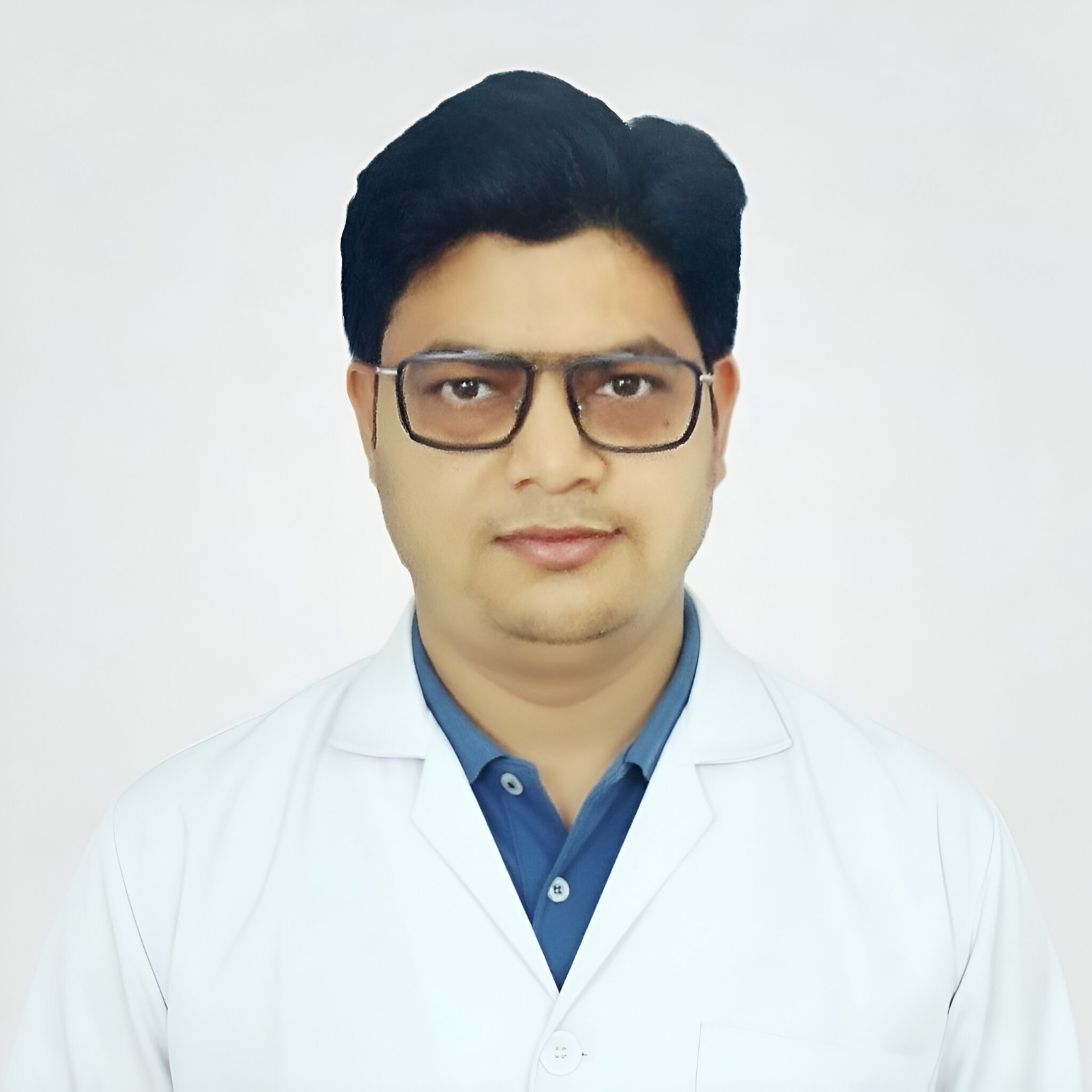
MBBS, MS, M.Ch (Neurosurgery)
Brain tumours, spine surgery and neurotrauma.

MBBS, MD, DM (Neurology)
Stroke, epilepsy, headache and nerve disorders.
A little preparation helps us plan your treatment.
Tick off as you pack:
Costs depend on the procedure, implants such as screws and rods, ICU stay and the length of hospital stay. Ask for a written estimate after your consultation.
*Coverage depends on your policy and the treatment. Our insurance desk can check this for you.
Call 0522-666-4444Most people improve with rest, medicines and physiotherapy. Surgery is considered if pain persists, weakness worsens or bladder control is affected.
Usually 1 to 3 days after a discectomy and 3 to 5 days after fusion.
Usually several days, including time in the neuro-ICU.
Risks include infection, bleeding, nerve injury and anaesthesia risks. Your surgeon will explain your own risk.
Often 2 to 6 weeks after spine surgery, depending on the operation and your job.
Yes, head and spine injuries and brain bleeds are treated round the clock.
Most health insurance policies and Ayushman Bharat PM-JAY cover neurosurgery for eligible patients.
Call 0522-666-4444 or use the form on this page.
No matching term. Please ask your doctor at your next visit.
Bring your MRI or CT for a consultation. For emergencies, call 0522-666-4444.
Medical information disclaimer: This page provides general health information for patients and families. It is not a substitute for a consultation, diagnosis or treatment by a qualified doctor. Treatment decisions depend on each patient's individual condition. In an emergency, call 0522-666-4444 or go to the nearest emergency department.
About this page: Prepared by the Charak Hospital web team with the help of AI writing tools, using information from the Institute of Neurosciences, Charak Hospital & Research Centre · Last updated: October 2026
Videos
Short talks by Charak Hospital doctors on symptoms, prevention and treatment. General information only — not a substitute for a consultation.

