
Paediatrician
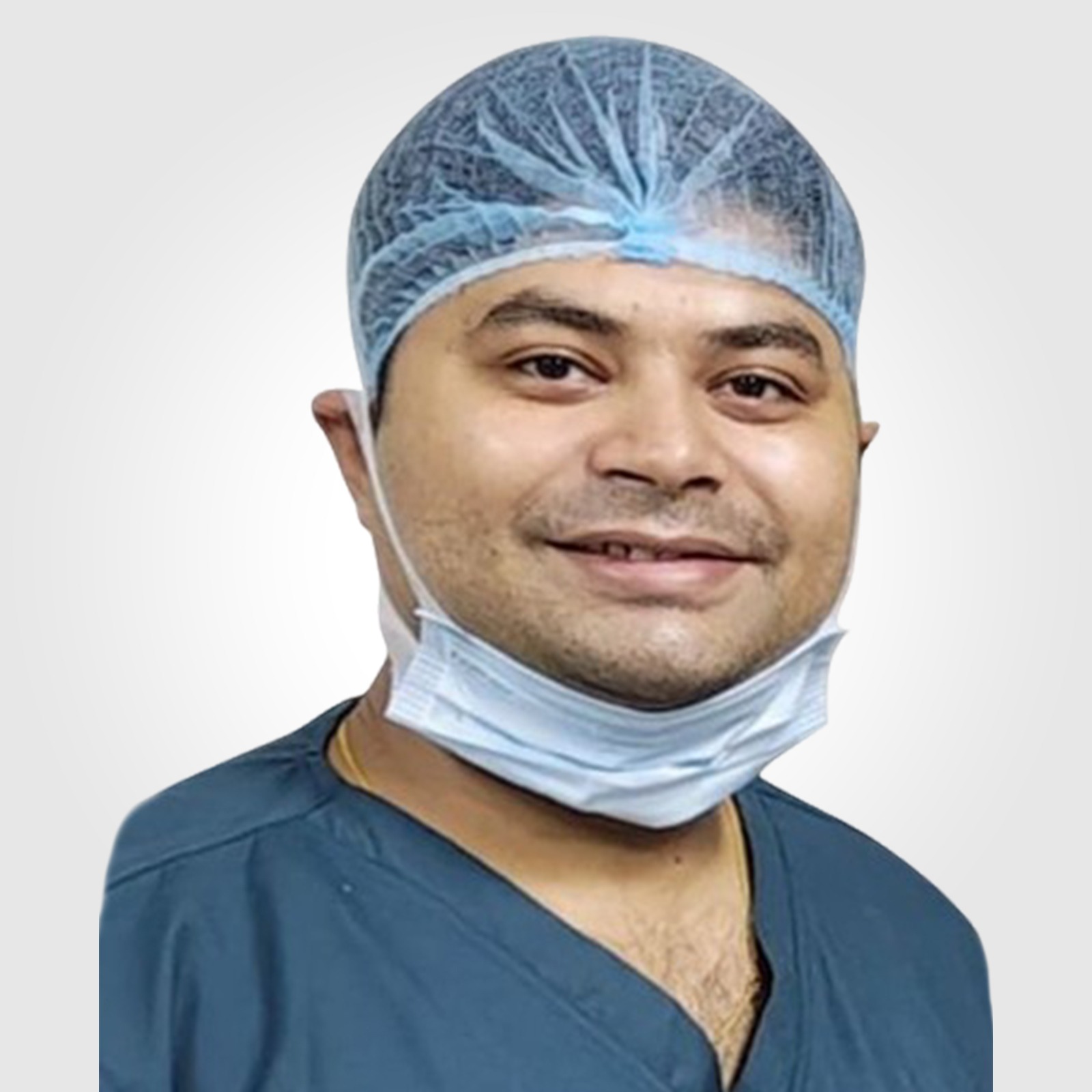
Dr. Raj Gaurav Singh
MBBS, DCH, DNB (Pediatrics)
Newborn and child care, vaccination, growth and childhood illness. OPD: Monday to Saturday, 10 am – 5 pm.

Fever, cough, loose motions, a rash, poor feeding or worries about growth? Our paediatricians at Charak Hospital, Hardoi Road, Dubagga, care for newborns, children and teenagers — from vaccinations and check-ups to hospital care — with paediatric surgery, neurology and urology on the same campus.
Share your details — our coordinator will call you back to schedule a visit.
Children are not small adults. Their illnesses, medicine doses and needs are different, and so is the way they experience a hospital. Our team treats common childhood illness, looks after newborns, keeps vaccinations on track, and works with paediatric specialists when a child needs more.
Check-ups, jaundice, feeding problems and care of babies born early or small.
Vaccines, growth and development checks, and nutrition advice.
Fever, infections, asthma, loose motions and other common illnesses.
Paediatric surgery, neurology, urology and heart surgery.
Trust your instincts. If your child seems unwell or different from usual, see a doctor.
Fever lasting more than 2–3 days, or any fever in a baby under 3 months.
Breathing faster than usual, noisy breathing or chest drawing in.
Especially with fewer wet nappies, dry mouth or drowsiness.
A baby who feeds poorly, is very sleepy or is not gaining weight.
Jaundice that spreads to the tummy or legs, or starts in the first day.
A rash with fever, or one that does not fade when pressed.
Slow growth, late walking or talking, or loss of skills.
Any seizure, including with fever.
Come to emergency straight away if your child has difficulty breathing, blue lips, a fit, is very drowsy or hard to wake, has signs of dehydration, or a baby under 3 months has a fever. Call 0522-666-4444.
Tap a topic to read the common signs, how it is diagnosed and how it is treated.
Yellow skin and eyes, usually from day 2–3; more worrying if in the first day or spreading to the legs.
Examination and a bilirubin blood or skin test.
Frequent feeding and phototherapy (light treatment) when levels are high.
See warning signsWarmth, feeding support, and watching for breathing problems, infection and jaundice.
Close monitoring in the neonatal unit, with family involvement.
Regular follow-up for growth, development, eyes and hearing.
A baby who feeds poorly, is unsettled, or is not gaining weight.
Weight checks and watching a feed.
Breastfeeding support, treating any cause and a feeding plan.
Any fever in a baby under 3 months, fever over 3 days, or fever with rash, fits or drowsiness.
Examination and tests when needed, such as blood and urine tests.
Paracetamol for comfort, fluids, and treating the cause.
Fever FAQsCough, fever and, in pneumonia, fast breathing and chest drawing in.
Examination, oxygen level and chest X-ray when needed.
Most colds settle on their own; pneumonia needs antibiotics and sometimes hospital care.
Read about pneumoniaFrequent loose stools, vomiting, dry mouth, fewer wet nappies.
Examination for dehydration.
ORS, zinc, continuing feeds, and IV fluids for severe dehydration.
High fever, body ache, rash, vomiting or abdominal pain.
Blood tests.
Fluids and close monitoring for dengue; specific medicines for malaria and typhoid.
Ear pain, fever, sore throat or pulling at the ear.
Examination of the ears and throat.
Pain relief and antibiotics when needed; ENT care for repeated infections.
ENT at CharakWheeze, cough at night or with exercise, breathlessness.
History, examination and response to treatment.
Inhalers with a spacer and an action plan.
Chest careA child much smaller or heavier than others of the same age.
Growth charts, diet history and blood tests.
Nutrition plans and treating any cause, with endocrinology when needed.
Growth & hormonesTiredness, pale skin, poor appetite and poor concentration.
Blood count and iron studies.
Iron-rich diet, iron supplements and treating the cause.
Fits, delayed milestones or loss of skills.
Assessment, EEG and MRI.
Care with our paediatric neurologist.
Paediatric neurologistThirst, passing a lot of urine, bed-wetting and weight loss.
Blood sugar test — the same day if suspected.
Insulin, sugar monitoring and family training.
EndocrinologyA swelling in the groin or scrotum, or a testis not felt in the scrotum.
Examination and ultrasound.
Planned surgery at the right age by a paediatric surgeon.
Paediatric surgeonRepeated urine infections, abnormal urine opening, or kidney swelling on a scan.
Urine tests and ultrasound.
Medicines or surgery with paediatric urology.
Paediatric urologyPoor feeding, breathlessness, blue colour or a murmur heard by the doctor.
Echocardiography.
Monitoring, medicines or heart surgery when needed.
Paediatric heart surgeryNo match found. Please call us on 0522-666-4444 — we will guide you.
Regular check-ups track growth and development and keep vaccinations on time. Tests are done only when they will help.
Weight, height, head size, development and a full examination.
Your child’s growth compared with WHO standards.
Vaccines as per the schedule, with a record card.
Blood, urine, X-ray or ultrasound, with child-friendly care.
Treatment, diet advice and the date of the next visit.
Based on India’s national immunisation schedule. Your paediatrician may advise additional vaccines. Tap an age to see the main vaccines.
Choose a topic to see what care involves.
Most childhood illnesses are treated in the clinic with clear advice, safe medicine doses and a plan for what to watch for at home.
Illness visitsWell-baby check-upsGrowth and nutritionAsthma and allergy careWe check every baby after birth, support feeding, and care for babies with jaundice, infection or breathing problems.
Newborn checkPhototherapy for jaundiceNeonatal unit careBreastfeeding supportChildren with severe infections, dehydration, breathing problems or other serious illness are cared for in hospital, with a parent staying with them.
IV fluidsOxygen and nebulisationAntibioticsIntensive care when neededVaccines protect children from serious diseases. We follow the national and IAP schedules and keep a record for every child.
Routine vaccinesCatch-up vaccinesOptional vaccinesVaccination cardHernia, hydrocele, undescended testis, circumcision and other children’s operations are done by a paediatric surgeon, with anaesthesia suited to children.
Hernia and hydroceleUndescended testisCircumcisionLaparoscopic surgeryChildren with delayed milestones, seizures or behaviour concerns are assessed by our paediatric neurologist, with therapy and family support.
Developmental assessmentEpilepsy careEEG and MRITherapy referralsSpecialist care for children. Tap a card to read more.
Tell us what worries you; bring the vaccination card.
Weight, height, temperature and a full examination.
Child-friendly blood and urine tests or scans.
Medicines, diet advice and what to watch for.
With a parent staying with the child.
Review visits and the next vaccination date.
Most childhood illnesses can be managed at home with advice, but some signs mean your child needs to be seen urgently.
Do not wait — come straight to the hospital if:
Tap each one you have done:
Bring your child’s vaccination card to every visit.
Book a child check-upGeneral guidance — always follow the specific advice your child’s doctor gives you.
Give paracetamol in the right dose for your child’s weight if they are uncomfortable. Do not give aspirin.
Offer fluids often, dress lightly and watch for warning signs.
Give ORS after every loose stool and continue breastfeeding or normal food.
Give zinc for 14 days if prescribed.
Feed every 2–3 hours, keep the cord clean and dry, and keep the baby warm.
Put your baby to sleep on their back.
Saline nose drops and fluids help. Avoid cough syrups in young children unless prescribed.
Watch for fast breathing or chest drawing in.
Start complementary foods at 6 months while continuing breastfeeding.
Offer home-cooked food with variety; limit sugary drinks and junk food.
Keep medicines, cleaning products and kerosene out of reach.
Supervise children near water, stairs and roads.
These are general guides. Your paediatrician may advise differently.
| Who | What we recommend | How often |
|---|---|---|
| Newborns | Newborn check, hearing and other screening as advised | Before discharge |
| Infants | Growth and development check | At each vaccination visit |
| Children 1–5 years | Growth check and vitamin A as per programme | Every 6 months |
| School children | Height, weight, vision and dental check | Every year |
| Children at risk of anaemia | Haemoglobin test | As advised |
| All children | Vaccinations as per schedule | On the due dates |
Tap a card to see the fact.
Most fevers in children are caused by viruses and do not need antibiotics. Your doctor will advise when they are needed.
Vaccines are safe and do not cause the illness. Mild fever or soreness for a day is common.
Children should continue feeding along with ORS. Food helps recovery.
Teething can cause mild irritability but not high fever. Fever needs checking.
Healthy growth follows the growth chart. Too much weight gain can be a problem too.
Many cough syrups are not recommended for young children. Use medicines only as prescribed.
MBBS, DCH, DNB (Pediatrics)
Newborn and child care, vaccination, growth and childhood illness. OPD: Monday to Saturday, 10 am – 5 pm.
MS, FMAS, M.Ch (Paediatric Surgery), BHU
Hernia, hydrocele, undescended testis and other children’s surgery. OPD: Monday to Saturday, 10 am – 5 pm.

MD (Pediatrics), DM (Pediatric Neurology)
Seizures, epilepsy and developmental delay in children.
A little preparation helps us make the most of your appointment.
Tick off as you pack:
Costs depend on the tests and treatment you need. Ask our team for a written estimate before planned tests, procedures or admission.
*Coverage depends on your policy and the treatment. Our insurance desk can check this for you.
Call 0522-666-4444See a doctor for any fever in a baby under 3 months, fever lasting more than 2–3 days, or fever with breathing difficulty, fits, rash, drowsiness or dehydration.
Your child needs the vaccines in the national schedule. Your paediatrician can also advise optional vaccines. Bring the vaccination card to each visit.
Mix one packet in the amount of clean water written on the packet. Give small sips often, especially after each loose stool.
Mild jaundice is common and settles. Jaundice in the first day, high levels, or jaundice that spreads to the legs needs checking.
At around 6 months, while continuing breastfeeding.
Yes. Dr. Rajat Kumar Singh is our paediatric surgeon.
Yes, a parent can stay with the child.
Call 0522-666-4444 or use the request call back form on this page. For an emergency, come straight to the 24×7 emergency department.
No matching term. Please ask your doctor at your next visit.
Speak with our children’s team. For breathing difficulty, fits or a very drowsy child, come straight to the 24×7 emergency.
Medical information disclaimer: This page provides general health information for patients and families. It is not a substitute for a consultation, diagnosis or treatment by a qualified doctor. Treatment decisions depend on each patient's individual condition. In an emergency, call 0522-666-4444 or go to the nearest emergency department.
About this page: Prepared by the Charak Hospital web team with the help of AI writing tools, using information from the Department of Paediatrics & Neonatology, Charak Hospital & Research Centre · Last updated: October 2026