
-
24/7 available services
-
Expert care for stroke, brain tumour, spine surgery, epilepsy, Parkinson's disease, migraine, and pediatric neurology — all under one roof with 24/7 neuro emergency and a dedicated Neuro ICU.
AIIMS & PGIMER-trained neurologists and neurosurgeons bringing tertiary-level expertise to Lucknow.
 Neurosurgery
 Neurology
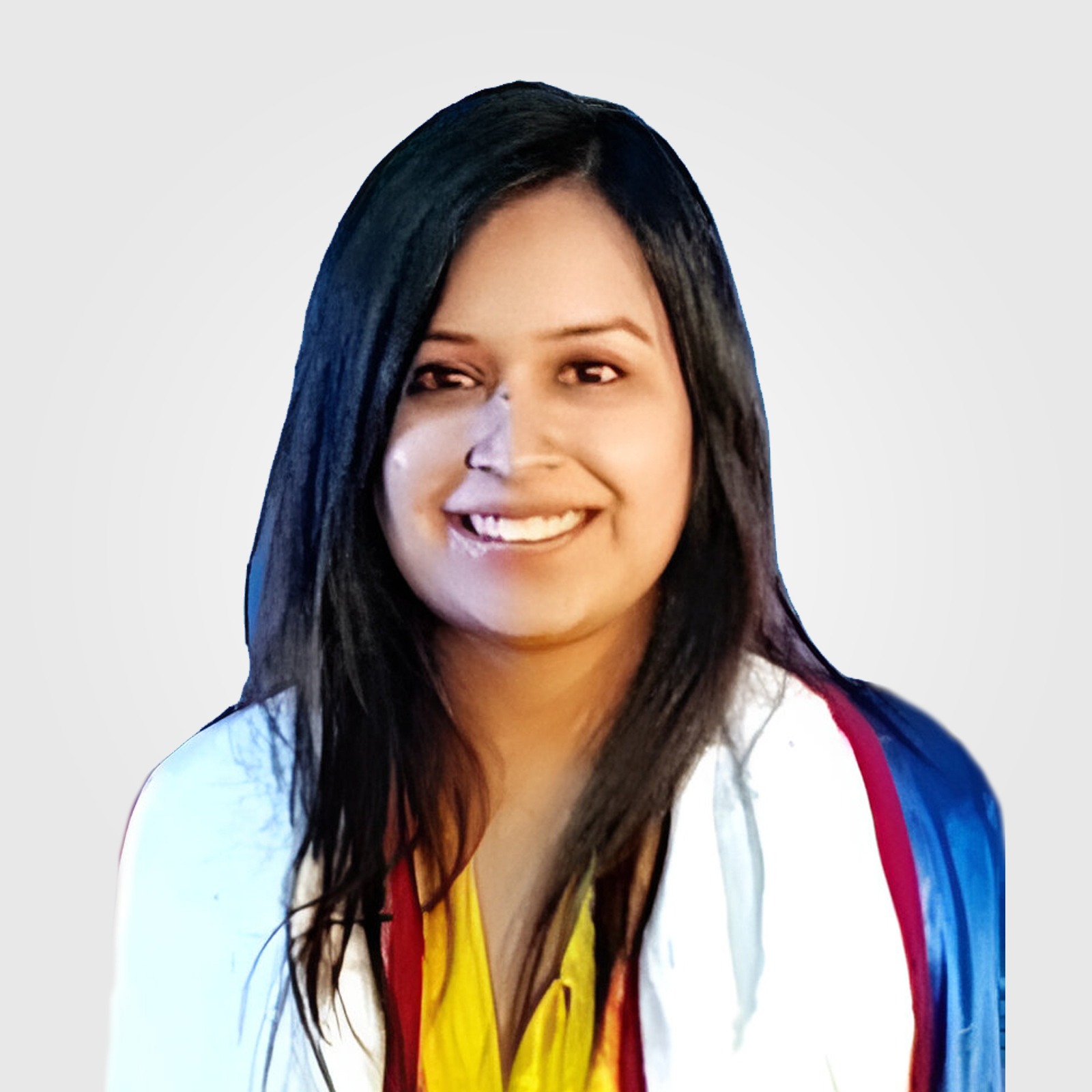 Pediatric Neurology
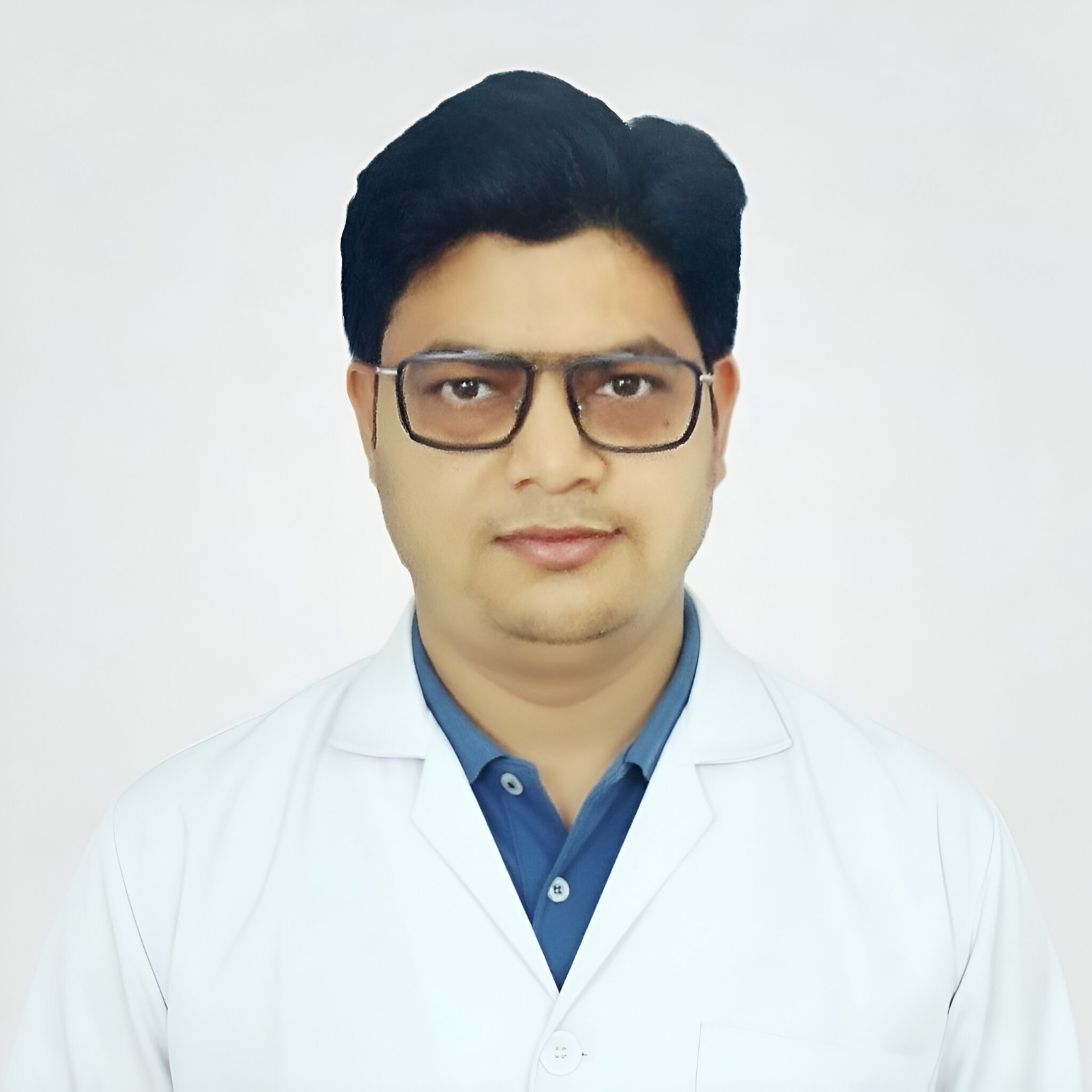 Neurosurgery
Our specialists manage the full spectrum of brain, spine and nerve disorders — from emergency stroke care to complex brain tumour surgery.
Brain Stroke
Ischaemic & haemorrhagic
Brain Tumour
Glioma, meningioma & more
Epilepsy
Medical & surgical epilepsy
Parkinson's Disease
Deep brain stimulation available
Migraine & Headache
Chronic & cluster headache
Slip Disc / Lumbar Disc
Micro-discectomy & TLIF
Cervical Spondylosis
Neck pain & cervical disc
Hydrocephalus
VP shunt & ETV surgery
Brain Haemorrhage
ICH & subarachnoid bleed
Pediatric Neurology
AIIMS-trained specialist
Trigeminal Neuralgia
MVD & Gamma Knife
Spinal Cord Injury
Acute trauma & rehabilitation
Multiple Sclerosis
DMT & relapse management
Brain Abscess & Meningitis
Emergency neurology
TIA (Mini-Stroke)
Urgent investigation & prevention
Movement Disorders
Tremor, dystonia, chorea
Our neurosurgeons and neurologists perform the full range of brain, spine, and peripheral nerve procedures — many covered under Ayushman Bharat & CGHS.
Craniotomy for Brain Tumour
Surgical removal of gliomas, meningiomas, pituitary tumours, and brain metastases using microsurgical techniques and neuronavigation.
Surgical Evacuation of Brain Haemorrhage
Emergency surgery to evacuate intracerebral haematoma (ICH) and reduce life-threatening brain pressure.
VP Shunt / Endoscopic Third Ventriculostomy (ETV)
Surgical treatment for hydrocephalus — excess cerebrospinal fluid causing brain pressure.
Deep Brain Stimulation (DBS)
Surgical placement of electrodes in specific brain areas to control tremors in Parkinson's disease and movement disorders.
Microvascular Decompression (MVD)
Surgical cure for trigeminal neuralgia — removing the blood vessel compressing the trigeminal nerve.
IV Thrombolysis for Stroke
Clot-dissolving medication administered within 4.5 hours of ischaemic stroke onset — the most time-critical neurological intervention.
EEG (Electroencephalography)
Brain wave recording for epilepsy diagnosis, seizure classification, and monitoring in the ICU.
Nerve Conduction Study / EMG
Evaluation of peripheral nerve and muscle function for conditions like Guillain-Barré syndrome, motor neurone disease, and neuropathies.
Lumbar Puncture (CSF Analysis)
Cerebrospinal fluid analysis for meningitis, encephalitis, multiple sclerosis, and subarachnoid haemorrhage.
Epilepsy Drug Monitoring & Optimisation
Specialist titration and monitoring of anti-epileptic drugs for drug-resistant epilepsy.
Microdiscectomy (Slip Disc Surgery)
Minimally invasive removal of the herniated disc fragment compressing a nerve root — for lumbar disc prolapse causing sciatica.
TLIF / PLIF (Lumbar Fusion)
Spinal stabilisation surgery for spondylolisthesis, failed disc, or unstable lumbar spine.
Cervical Discectomy & Fusion (ACDF)
Surgery for cervical disc prolapse causing arm pain, numbness, and weakness — anterior cervical approach.
Laminectomy / Laminoplasty
Decompression of the spinal canal for spinal stenosis causing neurogenic claudication.
Spinal Cord Injury Stabilisation
Emergency fixation and decompression following traumatic spinal cord injury from accidents.
Pediatric Epilepsy Evaluation & Management
Comprehensive seizure assessment in children including video EEG, drug optimisation, and ketogenic diet counselling.
Neonatal Neurology
Management of neonatal seizures, hypoxic ischaemic encephalopathy (HIE), and metabolic encephalopathies in newborns.
Cerebral Palsy Management
Medical spasticity management, botulinum toxin injections, and rehabilitation planning for children with CP.
Developmental Delay Evaluation
Comprehensive neuro-developmental assessment for speech delay, motor delay, autism spectrum, and learning disorders.
Pediatric Meningitis & Encephalitis
Emergency management of CNS infections in children — AIIMS-trained specialist on-site at Charak Hospital.
24/7 Neuro Emergency & Stroke Protocol
Round-the-clock emergency CT brain, neurosurgeon on call, and IV thrombolysis within the 4.5-hour golden window for stroke.
Dedicated Neuro ICU
Specialised neuro-critical care unit with continuous ICP monitoring, ventilator support, and neurologist-led rounds.
Dedicated Pediatric Neurologist
Dr. Diksha Gupta — DM Pediatric Neurology from AIIMS New Delhi — the only AIIMS-trained pediatric neurologist in this region.
Advanced Imaging On-Site
1.5T MRI, 128-slice CT, digital DSA, and intraoperative imaging — all within the hospital for fast, accurate diagnosis.
Cashless & Ayushman Bharat
Brain surgery, spine surgery, and stroke treatment covered under PM-JAY, CGHS, ECHS, and all major insurance TPA panels.
Easily Accessible Location
Conveniently located on Hardoi Road, Dubagga — serving Chinhat, Indira Nagar, Faizabad Road, and eastern Lucknow with free parking.
Neurology is a discipline of medicine that deals with the diagnosis and treatment of various nervous system problems. CHARAK Hospital is regarded as one of the leading neurology hospitals in Lucknow for treating neurological conditions in both adults and children. We provide complete diagnosis and care of nervous system disorders, as well as multidisciplinary research and diagnostics for neuro-vascular, neurocardiological, and neuroelectrophysiology difficulties, among others.
Charak Institute of Neurosciences is a fully integrated institute with a dedicated team of specialists and cutting-edge equipment that strives to provide comprehensive and interdisciplinary care for brain and spinal illnesses. The institute's staff includes highly qualified neurologists, neurosurgeons, neuro-interventionists, neuro-anesthetists, neuro-critical care specialists, neuropsychologists, and neuropsychiatrists. The institute comprises separate centers for brain tumors, spinal problems, stroke, epilepsy, movement disorders, and headaches. The institute provides specialized services and guidelines for the emergency treatment of acute neurological illnesses such as strokes and other neurological injuries.
The Institute has three departments:
Along with this, the institute also runs rehabilitation services.
The Department of Neurology has well-equipped ICU facilities as well as bedside electroencephalogram (EEG) monitoring to help manage critically ill patients with neurological disorders. Our neurologists are available around the clock to diagnose, treat, and manage patients. We have cutting-edge diagnostic imaging modalities such as MRI and CT scans. Our neurologists have decades of combined experience treating neurological disorders. Some of them are:
Diagnose and manage seizure disorders, including refractory epilepsy.
Management of neuromuscular disorders, peripheral neuropathies, headaches, and chronic pain.
Neuro Rehabilitation, physiotherapy and occupational therapy for all types of neuromuscular and post-stroke disorders.
Manage dementia, including Alzheimer's disease. ·
Treat movement disorders such as Parkinson's disease, Parkinsonism, tremors, rigidity, chorea, and tic disorder.
Neurosurgery treats illnesses of the brain, spinal cord, spine, and nerves. Trauma (Cranio Spinal Trauma), brain tumors, intracranial aneurysms, arteriovenous malformation, hydrocephalus, and brain abscess are all diseases that affect the brain and spinal cord. If these conditions are not detected and treated appropriately and promptly, they can lead to severe impairment and even death. The Department of Neurosurgery at Charak Hospital Lucknow employs a team of committed, highly qualified, and experienced neurosurgeons, neuroanesthetists, intensive care specialists, and other technical support personnel. The department has all the advanced equipment to successfully carry out neurosurgical surgeries.
Services & Facilities
Head and Spinal Injuries
Removal of Brain Tumors via Micro Surgery
Aneurysms within the brain are clipped, and AVMs are removed.
Micro/Endoscopic Transsphenoidal Pituitary Surgery
Operation on Skull Base
For the treatment of trigeminal neuralgia, keyhole surgery (MVD)
Craniofacial Endoscopic Surgery
Endoscopic and Shunt Spine Surgery for Hydrocephalus Treatment
Lumbar and Cervical microdiscectomy using Endoscopic Technique
Replacement of Cervical Discs
Remove of Spinal Tumor
Replacement of the Craniovertebral Junction
Pedicle Screw Fixation/Plates for Spinal Stabilization and Corpectomy
Spinal Surgery for Spondylolisthesis with Minimal Invasiveness
Treatment for Spinal Injury: Kyphoplasty/Vertebroplasty.
Procedures for Carpal Tunnel Syndrome and Peripheral Nerve Damage
Round the clock treatment of Head/Spine injuries by Neuro-surgeons.
Facility of Microscopic Brain surgeries (With advanced Carl Zeiss Microscope) for tumors, Aneurysm etc.
Endoscopic spine surgery e.g. Slip disc, Pott's spine etc.
Endoscopic brain surgeries.
Paediatric Neurosurgery.
Surgery for Refractory seizures.
Peripheral nerve surgeries.
Endo nasal Pituitary surgery.
Surgeries for spine deformities.
In House availability of MRI & CT Scan for early diagnosis & in time intervention
Neurological specialties offering advanced tertiary care treatments (including medical and surgical neurosciences as well as interventional neurovascular procedures)
Expert Critical Care Neurology Services
Advanced medical imaging services and mechanical thrombectomy are included in emergency stroke services.
Renowned Neurosurgeons and neurologists
Treatment using a multidisciplinary approach and advanced medical technologies
Customize medical attention for patients
Committed patient care Employees guarantee smooth healthcare care.
Cutting edge, sophisticated life support apparatus
Ambulance services for the evacuation of ill patients are available for both inside and beyond the city.
A brain stroke kills 1.9 million brain cells every minute it goes untreated. Charak Hospital operates a 24/7 stroke emergency pathway — when a stroke patient arrives, an emergency CT brain scan is performed within minutes, and eligible patients receive IV thrombolysis (the clot-dissolving injection) within the critical 4.5-hour window. Our neurology team is on call round the clock. If you or someone near you shows signs of stroke — Face drooping, Arm weakness, Speech difficulty — call us immediately at 05226664444 or visit our Emergency.
Stroke Signs — Act FAST
Face drooping · Arm weakness · Speech difficulty · Time to call emergency. Every minute of delay in stroke treatment causes permanent brain damage.
Charak Hospital's neurosurgeons perform craniotomy and microsurgical removal of brain tumours including glioblastoma, meningioma, acoustic neuroma, and pituitary adenoma. Neuronavigation (surgical GPS) is used to precisely target tumours while protecting critical brain tissue. Post-operative oncology coordination (chemotherapy, radiotherapy) is available within the hospital through our oncology department.
Back pain and neck pain are among the most common complaints in Lucknow — and the vast majority respond to physiotherapy and medication. But when there is nerve compression causing weakness, numbness, or loss of bladder/bowel control, surgery becomes essential.
A herniated lumbar disc pressing on the sciatic nerve causes severe leg pain (sciatica) that can become disabling. Our neurosurgeons perform microdiscectomy — a minimally invasive procedure that removes the herniated disc fragment through a small incision, with most patients walking the same day and discharged within 48 hours.
Age-related wear in the cervical spine (neck) can compress the spinal cord or nerve roots, causing arm pain, hand weakness, and difficulty walking. Anterior cervical discectomy and fusion (ACDF) reliably relieves these symptoms and prevents further deterioration.
Ayushman Bharat covers spine surgery: Lumbar discectomy, cervical discectomy, and spinal fusion are covered under the PM-JAY package at Charak Hospital. Contact us to check your eligibility.
Epilepsy affects over 12 million people in India. Most patients achieve good seizure control with the right anti-epileptic medication — but about 30% have drug-resistant epilepsy requiring specialist evaluation. Our neurologists perform EEG, video-EEG monitoring, and brain MRI to identify seizure focus, and work up suitable candidates for surgical epilepsy treatment.
Parkinson's disease is a progressive movement disorder caused by loss of dopamine-producing cells in the brain. Our neurologist manages all stages of Parkinson's — from initial medication optimisation (levodopa, dopamine agonists) to advanced therapies. For patients with motor fluctuations and dyskinesia who no longer respond adequately to medication, Deep Brain Stimulation (DBS) — surgically implanting electrodes in the subthalamic nucleus — can dramatically reduce tremors and improve quality of life.
Migraine is the third most common disease in the world yet remains widely under-diagnosed and under-treated. Our neurologists provide comprehensive headache evaluation — distinguishing migraine from cluster headache, tension headache, secondary headache causes (including brain tumour and raised ICP), and providing evidence-based preventive and acute migraine therapy including CGRP antagonists.
Dr. Diksha Gupta, DM Pediatric Neurology (AIIMS New Delhi) and MD Pediatrics (PGIMER Chandigarh), provides specialised neurological care for children at Charak Hospital. This includes neonatal neurology (birth seizures, HIE), childhood epilepsy, cerebral palsy management, developmental delay evaluation, autism spectrum assessment, and pediatric CNS infections.
Lucknow's only AIIMS-trained pediatric neurologist is available at Charak Hospital, Dubagga. For appointments: 05226664444.
Hydrocephalus — abnormal accumulation of cerebrospinal fluid (CSF) causing brain pressure — is treated with VP shunt surgery or Endoscopic Third Ventriculostomy (ETV). Our neurosurgeons have extensive experience in paediatric and adult hydrocephalus, including normal pressure hydrocephalus (NPH) in elderly patients presenting with the classic triad of gait disturbance, urinary incontinence, and dementia.
The signs and symptoms of a stroke can include sudden numbness or weakness in the face, arm, or leg, especially on one side of the body; confusion, trouble speaking, or difficulty understanding speech; trouble seeing in one or both eyes; trouble walking, dizziness, loss of balance, or lack of coordination; and a severe headache with no known cause. It's crucial to seek medical attention immediately if you or someone else exhibits these symptoms. Remember the acronym F.A.S.T (Face drooping, Arm weakness, Speech difficulties, Time to call emergency services) as a quick reference.
At Charak Hospital, we offer a comprehensive range of stroke treatments tailored to the type and severity of the stroke. This includes thrombolytic therapy (administering a clot-busting drug to dissolve the clot), mechanical thrombectomy (removing a clot using a catheter), and medication to prevent future strokes. We also provide rehabilitation services to help patients regain function post-stroke.
Yes, lifestyle changes can significantly reduce the risk of stroke. It's important to maintain a healthy diet low in salt and saturated fats, engage in regular physical activity, maintain a healthy weight, limit alcohol consumption, and avoid smoking. Managing conditions like high blood pressure, diabetes, and high cholesterol is also critical in stroke prevention.
An ischemic stroke occurs when a blood clot blocks or plugs a blood vessel in the brain, while a hemorrhagic stroke occurs when a blood vessel in the brain leaks or ruptures. Ischemic strokes are treated with clot-busting drugs or mechanical clot removal, while hemorrhagic strokes may require surgery to repair the damaged blood vessel and control bleeding. Medications to manage blood pressure and reduce swelling in the brain are also crucial in both cases.
Our comprehensive rehabilitation program is designed to help stroke patients regain as much independence as possible. This may include physical therapy to improve mobility, occupational therapy to help with daily tasks, speech therapy for communication difficulties, and cognitive therapy to address mental challenges. Our team of specialists works together to create a personalized rehabilitation plan based on the patient's specific needs and goals.
Our department specializes in treating a wide range of conditions including brain tumors, cerebrovascular disorders (such as aneurysms and arteriovenous malformations), spinal disorders (like herniated discs and spinal stenosis), epilepsy, Parkinson's disease, and other neurological disorders. We also handle trauma cases involving the brain and spine.
Yes, Charak Hospital employs the latest minimally invasive techniques for brain and spine surgeries. These methods often result in smaller incisions, less tissue damage, shorter hospital stays, and faster recovery times compared to traditional open surgeries. Minimally invasive procedures can include endoscopic surgery, stereotactic frame-guided surgery, and endovascular interventions.
The process begins with a comprehensive neurological examination and a detailed review of your medical history. Imaging studies such as MRI or CT scans may be performed to assess the condition. You will meet with a neurosurgeon to discuss your symptoms, the diagnosis, and the recommended treatment plan. This may include non-surgical management options if surgery is not the best choice for your condition.
Preparation for surgery involves several steps. First, you will need to undergo preoperative tests to ensure your physical health is optimized for surgery. These may include blood tests, EKGs, and pulmonary function tests. You should also inform your medical team of all medications you are taking, as some may need to be stopped before surgery to prevent complications. Follow all pre-surgery instructions carefully regarding diet and activity restrictions.
Recovery times can vary widely depending on the type of surgery and the individual patient. Generally, you will stay in the hospital for a few days to a week after surgery for monitoring and initial recovery. Upon discharge, you may need to follow a rehabilitation program that includes physical therapy, occupational therapy, and possibly speech therapy. Full recovery can take several weeks to months, and during this period, it's important to rest, follow your doctor’s advice, and attend follow-up appointments.
Charak Hospital & Research Centre, Hardoi Road, Dubagga, Lucknow has a dedicated Institute of Neurosciences with AIIMS & PGIMER-trained specialists, 24/7 neuro emergency, Neuro ICU, and advanced MRI and CT imaging on-site.
Yes. Charak Hospital operates a 24/7 stroke emergency pathway with a neurosurgeon and neurologist on call, emergency CT brain, and IV thrombolysis capability within the 4.5-hour golden window.
Yes. Brain tumour surgery, spine surgery, stroke treatment, and epilepsy surgery are covered under PM-JAY (Ayushman Bharat), CGHS, and ECHS at Charak Hospital Lucknow.
Yes. Dr. Diksha Gupta — DM Pediatric Neurology (AIIMS New Delhi), MD Pediatrics (PGIMER Chandigarh) — is available at the Institute of Neurosciences, Charak Hospital for all childhood neurological conditions.
The cost of brain surgery depends on the type of procedure, anaesthesia, and ICU stay. Charak Hospital offers competitive and transparent pricing. For patients with Ayushman Bharat, CGHS, or ECHS, several procedures are fully covered at no cost. Please call 05226664444 for a detailed estimate.
Our coordinators will confirm your appointment within 2 hours. Same-day appointments available for urgent cases.
Super-Specialist Consultation
Directly with our DM/M.Ch. trained neurosurgeons and neurologists — no GP referral needed.
Cashless Available
Ayushman Bharat PM-JAY, CGHS, ECHS, and all major TPA health insurance accepted.
Emergency: Available 24/7
Round-the-clock neuro emergency for stroke, brain haemorrhage, and spinal injury.