
Head of Department
Dr. Jugendra Singh
MBBS, MD, DM (Pulmonology & Critical Care)
Critical care, ventilation and respiratory medicine.

COPD is a long-term lung disease that makes it harder to breathe out. It develops slowly, mostly from smoking or years of breathing smoke from wood or dung fires, and causes cough and breathlessness that worsen over time. Treatment cannot undo lung damage, but it can ease breathing, reduce flare-ups and keep you active. Pulmonologists at Charak Hospital, Lucknow treat COPD.
Share your details — our coordinator will call you back to schedule a visit.
COPD includes chronic bronchitis (long-term inflammation of the airways with mucus) and emphysema (damage to the air sacs). Air gets trapped in the lungs, so you feel short of breath, especially on exertion.
The single most important step.
Open the airways and reduce flare-ups.
Exercise and breathing training.
Flu and pneumonia vaccines reduce infections.
Symptoms worsen slowly over years.
At first on stairs or walking fast, later with daily tasks.
Often called a smoker’s cough.
Phlegm, especially in the morning.
A whistling sound when breathing.
Low energy.
In advanced COPD.
In advanced disease affecting the heart.
Especially in winter.
Severe breathlessness, blue lips, confusion or drowsiness during a flare-up need emergency care. Call 0522-666-4444. Call 0522-666-4444.
Spirometry confirms COPD.
Smoking, smoke exposure and symptoms.
Shows airflow obstruction that does not fully reverse with an inhaler.
To check for emphysema and other problems.
Pulse oximetry and, if needed, blood gas test.
ECG and echo in advanced disease.
Treatment is tailored to your symptoms and flare-up history.
Long-acting inhalers open the airways for 12 to 24 hours. Some patients also need a steroid component.
Daily long-acting inhalerReliever for symptomsSpacer or nebuliser if neededA programme of exercise, breathing techniques and education improves breathlessness and stamina.
Walking and strength exercisesPursed-lip breathingEnergy-saving tipsA flare-up is a sudden worsening. Early treatment at home or in hospital helps.
Increase reliever useSteroid tablets or antibiotics if prescribedHospital care for severe flare-upsGeneral guidance — always follow the advice your own doctor gives you.
Ask us for help to quit; it is never too late.
Use LPG or a well-ventilated kitchen; avoid chulha smoke.
On high-pollution days, stay indoors and keep your reliever close.
Yearly flu vaccine and pneumonia vaccine as advised.
Tap a card to see the fact.
It is a lung disease that worsens without treatment and quitting smoking.
Stopping smoking slows lung damage at any stage.
Supervised exercise improves breathlessness and stamina.
MBBS, MD, DM (Pulmonology & Critical Care)
Critical care, ventilation and respiratory medicine.
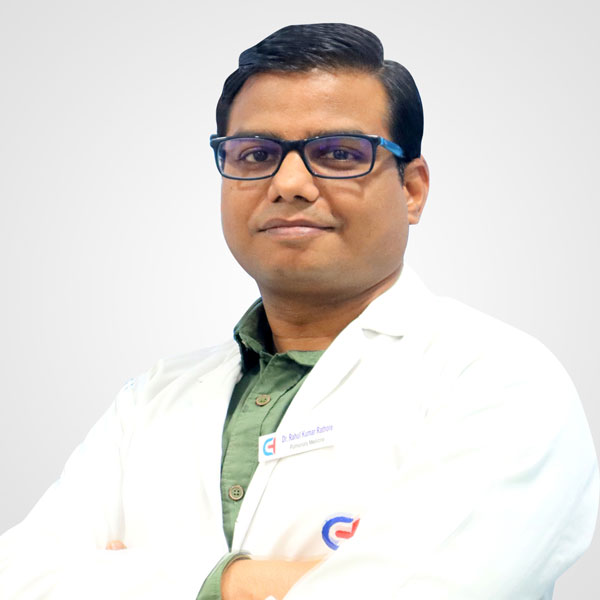
MBBS, MD (Tuberculosis & Respiratory Medicine)
TB, chest infections, asthma and COPD. OPD: Monday to Saturday, 10 am – 5 pm.

DPT, BPT, MPT
Physiotherapy and rehabilitation after injury, surgery, stroke and long-term pain.
A little preparation helps us help you faster.
Tick off as you pack:
Costs depend on the tests and treatment you need and the length of any hospital stay. Ask our team for a written estimate.
*Coverage depends on your policy and the treatment. Our insurance desk can check this for you.
Call 0522-666-4444Lung damage does not reverse, but treatment improves breathing, reduces flare-ups and helps you stay active.
No. They can look similar, but COPD usually starts later in life, is linked to smoke exposure and does not fully reverse with inhalers.
Only if tests show low oxygen levels. Your doctor will advise.
Yes, from years of cooking smoke and other exposures.
No matching term. Please ask your doctor at your next visit.
Book a lung check with our pulmonology team. Call 0522-666-4444.
Medical information disclaimer: This page provides general health information for patients and families. It is not a substitute for a consultation, diagnosis or treatment by a qualified doctor. Treatment decisions depend on each patient's individual condition. In an emergency, call 0522-666-4444 or go to the nearest emergency department.
About this page: Prepared by the Charak Hospital web team with the help of AI writing tools, using information from the Institute of Pulmonary & Sleep Medicine, Charak Hospital & Research Centre · Last updated: October 2026