
Piles (Haemorrhoids)
Treatment and surgery in Lucknow

Piles are swollen blood vessels in and around the back passage that can bleed, itch or hang down. Most people get better with diet changes and medicines; some need a simple procedure or surgery. At Charak Hospital, Hardoi Road, Dubagga, GI and laparoscopic surgeons offer the full range of treatment, from clinic procedures to stapled haemorrhoidopexy.

NABH-accredited hospital M.Ch GI & laparoscopic surgeons Day-care & keyhole surgery Cashless insurance

Ask about piles treatment

Share your details — our coordinator will call you back to schedule a visit.

Your details are used only to contact you about your appointment.

24×7 hospital & emergency0522-666-4444
About piles

What are piles?

Everyone has cushions of blood vessels in the anal canal. When they swell and slip down, usually from straining, constipation, long sitting or pregnancy, they are called piles or haemorrhoids. Internal piles are inside and often bleed without pain; external piles are under the skin around the anus and can become painful if a clot forms.

  • Examination to confirm piles and rule out other causes of bleeding
  • Diet, fluids and medicines for early piles
  • Clinic procedures such as rubber band ligation
  • Haemorrhoidectomy or stapled haemorrhoidopexy for larger piles
  • Advice to prevent piles coming back

Diet & habits

Fibre, fluids and not straining.

Medicines

Stool softeners and creams.

Banding

A clinic procedure for internal piles.

Surgery

For large or persistent piles.

300Bed multispeciality hospital
NABHAccredited for quality and patient safety
24×7Emergency & critical care
27+Specialities under one roof
Symptoms

Symptoms of piles

Common symptoms include:

Bright red bleeding

On the toilet paper or in the pan.

A lump at the anus

That may go back on its own or need pushing back.

Itching or irritation

Around the anus.

Pain

Especially with a clotted external pile.

Mucus discharge

And a feeling of incomplete emptying.

Bleeding from the back passage is not always piles. Changes in bowel habit, dark blood, weight loss or bleeding after 40 should be checked to rule out other conditions such as bowel cancer. Call 0522-666-4444.

Grades & treatment

Grades of piles and their treatment

Tap a card to read more.

Grade 1

Bleeding, no prolapse

Treatment

Diet, fluids, stool softeners.

Procedure

Rarely needed.

Outlook

Usually settles.

Grade 2

Prolapse that goes back on its own

Treatment

Diet and medicines.

Procedure

Banding if symptoms continue.

Outlook

Good with treatment.

Grade 3

Prolapse that needs pushing back

Treatment

Banding or surgery.

Surgery

Stapled haemorrhoidopexy or haemorrhoidectomy.

Decision

After examination.

Grade 4

Prolapse that stays out

Treatment

Usually surgery.

Surgery

Haemorrhoidectomy.

Note

Painful clotted piles may need urgent care.

Rubber band ligation

Clinic procedure

How

A small band cuts off the blood supply; the pile falls off in about a week.

Anaesthesia

Usually none.

Suits

Grade 1–3 internal piles.

Haemorrhoidectomy

Removing the piles

How

Piles are cut out under anaesthesia.

Suits

Large or external piles.

Recovery

About 2 to 3 weeks; pain relief is given.

Stapled haemorrhoidopexy (MIPH)

Lifting the piles back

How

A stapling device lifts the piles back into place and reduces blood supply.

Suits

Prolapsing internal piles.

Recovery

Often quicker return to activity.

No match found. Please call us on 0522-666-4444 — we will guide you.

Diagnosis

How piles are diagnosed

Most piles are diagnosed in the clinic.

History

Bleeding, pain and bowel habit.

Examination

Gentle examination of the back passage.

Proctoscopy

A short tube to see the anal canal.

Colonoscopy

If needed to rule out other causes of bleeding.

Plan

Diet, medicines, banding or surgery.

Which treatment for me?

Tap an option.

Surgery

What to expect with piles surgery

Here is what usually happens.

Preparing

A short check-up and blood tests are done before surgery.

Blood testsBowel preparation if advisedFasting

Bring

  • Previous reports
  • List of medicines
  • Blood thinner details

Ask us about

  • Type of surgery
  • Time off work
  • Costs
Your journey

From consultation to recovery

Step 1

Consultation

Symptoms and examination.

Step 2

Proctoscopy

In the clinic.

Step 3

Plan & estimate

Treatment and costs.

Step 4

Treatment

Banding or surgery if needed.

Step 5

Home

Usually same or next day.

Step 6

Follow-up

Wound and diet review.

Living well

Preventing piles

Simple habits help prevent piles and stop them coming back.

Fibre

Eat whole grains, dal, vegetables and fruit every day.

Isabgol (psyllium) can help if advised.

Fluids

Drink plenty of water through the day.

Toilet habits

Do not strain or sit long on the toilet; avoid using the phone there.

Activity

Stay active and avoid sitting for long periods.

Contact us urgently if

  • Heavy bleeding or passing clots
  • Severe pain with a hard lump
  • Fever with pain around the anus
  • Being unable to pass urine after surgery
  • Dizziness or fainting
0522-666-4444
Myths & facts

Common beliefs about piles

Tap a card to see the fact.

Myth

“Spicy food causes piles.”

Tap to flip
Fact

Constipation and straining are the main causes. Spicy food may irritate existing piles.

Myth

“All bleeding from the back passage is piles.”

Tap to flip
Fact

Other conditions can bleed too. Get it checked.

Myth

“Piles always come back after surgery.”

Tap to flip
Fact

Recurrence is uncommon when diet and toilet habits improve.

Our doctors

Meet our surgeons

Dr. (Prof.) Ashok Kumar, Senior Consultant, Surgical Gastroenterology, Charak Hospital Lucknow
Senior Consultant, Surgical Gastroenterology

Dr. (Prof.) Ashok Kumar

MBBS, MS, M.Ch (Surgical Gastroenterology), FRCS, FACS

Colorectal and pelvic floor surgery, HPB and pancreatic surgery, and GI cancer surgery. OPD: Monday to Saturday, 10 am – 4 pm.
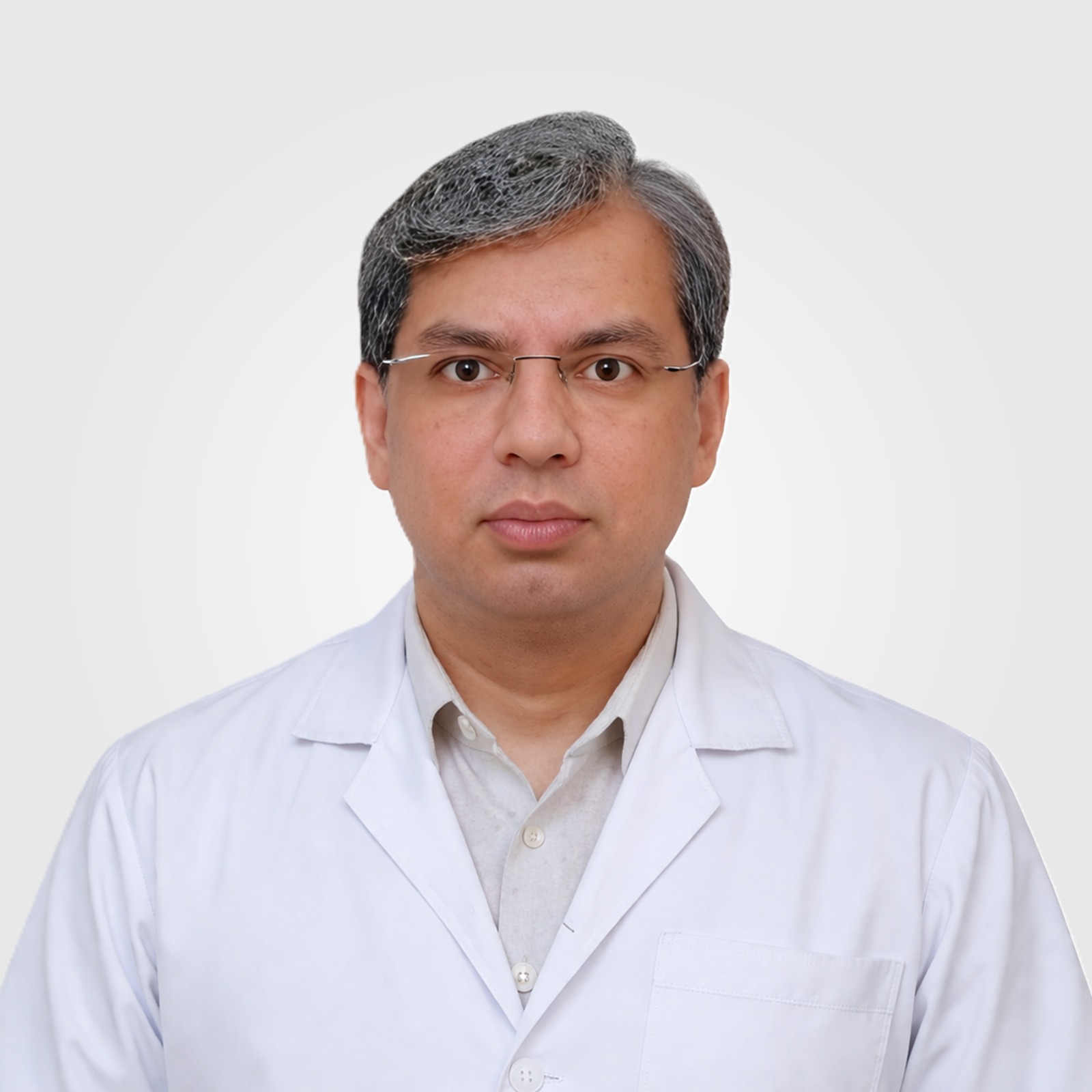
Dr. Manish Sharma, Surgical Gastroenterologist, Charak Hospital Lucknow
Surgical Gastroenterologist

Dr. Manish Sharma

MBBS, MS (General Surgery), DNB (Surgical Gastroenterology)

Laparoscopic GI surgery, gallbladder and bile duct surgery, hernia and proctology. OPD: Monday to Saturday, 9 am – 5 pm.

Dr. Praveen Sharma, General & Laparoscopic Surgeon, Charak Hospital Lucknow
General & Laparoscopic Surgeon

Dr. Praveen Sharma

MBBS, DNB (General Surgery), advanced training in laparoscopic surgery

Gallbladder, hernia, appendix and laparoscopic surgery. OPD: Monday to Saturday, 10 am – 5 pm.

Practical help

Preparing, costs & insurance

A little preparation helps us plan your treatment.

What to bring to your visit

Tick off as you pack:

  • Previous reports and colonoscopy if done
  • A list of medicines, including blood thinners
  • Insurance card or employer letter

Costs & insurance

Costs depend on the treatment chosen, the anaesthesia and whether you stay overnight. Ask for a written estimate.

  • ✓Written estimate— ask for one before planned procedures or admission.
  • ✓Health insurance & TPA— cashless treatment for admissions under tie-up insurers; outpatient visits depend on your policy.
  • ✓Ayushman Bharat (PM-JAY) accepted for eligible admissions.
  • ✓Corporate & PSU panels— ask whether your employer has a tie-up with Charak Hospital.

*Coverage depends on your policy and the treatment. Our insurance desk can check this for you.

Call 0522-666-4444
FAQs

Frequently asked questions

Can piles be cured without surgery?

Many early piles settle with diet, fluids and medicines. Larger piles may need banding or surgery.

Is piles surgery very painful?

Some pain is expected for a few days; it is controlled with medicines, sitz baths and soft stools.

How long is the hospital stay?

Usually day care or one night.

What is stapled haemorrhoidopexy?

A procedure that lifts prolapsing piles back into place using a stapling device; recovery is often quicker.

Will piles come back?

They can, but good diet and toilet habits lower the risk.

Is it covered by insurance?

Most health insurance policies and Ayushman Bharat PM-JAY cover this treatment for eligible patients. Our insurance desk can check your cover.

How do I book a consultation?

Call 0522-666-4444 or use the form on this page.

Glossary

Words you may hear

HaemorrhoidsPiles.
ProlapseSlipping down out of the anus.
ProctoscopyExamination of the anal canal with a short tube.
MIPHMinimally invasive procedure for haemorrhoids (stapled haemorrhoidopexy).
Sitz bathSitting in warm water to ease pain.

No matching term. Please ask your doctor at your next visit.

Related pages

Related departments and guides

Talk to our specialists

Book a consultation. Call 0522-666-4444.

Your details are used only to contact you about your appointment.

Medical information disclaimer: This page provides general health information for patients and families. It is not a substitute for a consultation, diagnosis or treatment by a qualified doctor. Treatment decisions depend on each patient's individual condition. In an emergency, call 0522-666-4444 or go to the nearest emergency department.

About this page: Prepared by the Charak Hospital web team with the help of AI writing tools, using information from the Department of Surgical Gastroenterology & Hepato-pancreato-biliary (HPB) Surgery, Charak Hospital & Research Centre ·  Last updated: October 2026

Explore other clinical departments
Call hospital Book visit

Videos

Watch our doctors explain

Short talks by Charak Hospital doctors on symptoms, prevention and treatment. General information only — not a substitute for a consultation.