
Orthopaedic & Joint Replacement Surgeon
Dr. Vipul Kumar Gupta
MBBS, MS (Orthopaedics)
Knee and hip replacement, fractures and arthritis care.

Knee osteoarthritis is wear of the cartilage that cushions the knee joint. It is one of the most common causes of knee pain after the age of 40 in India. Most people improve with exercise, weight control and physiotherapy; surgery is considered only when pain and stiffness limit daily life despite these measures.
Share your details — our coordinator will call you back to schedule a visit.
Healthy cartilage lets the bones of the knee glide smoothly. In osteoarthritis the cartilage thins and roughens, the bone underneath thickens, and small bony spurs form. The joint becomes painful, stiff and sometimes swollen. It usually develops slowly over years.
Strong thigh muscles protect the knee.
Each kilogram lost reduces knee load.
Exercises, heat and movement training.
Knee replacement for advanced arthritis.
Symptoms usually start slowly and worsen over months or years.
Pain while walking, climbing stairs or getting up from a chair.
Stiffness that eases within half an hour.
Puffiness around the knee, especially after activity.
A crunching feeling when bending the knee.
The knees may bend outwards over time.
Shorter walking distance; difficulty sitting cross-legged or on the floor.
Pain at rest in advanced arthritis.
The knee may catch or buckle.
See a doctor promptly if the knee is hot, red and very swollen, or you have fever with knee pain, or you cannot bear weight after an injury. These need urgent assessment. Call 0522-666-4444.
Diagnosis is mainly clinical, supported by an X-ray.
Pain points, swelling, movement, alignment and walking.
Shows joint space narrowing and bony spurs.
Only if another type of arthritis is suspected.
Not routinely needed; used for injuries or unclear cases.
Treatment moves step by step, from simple measures to surgery when needed.
Regular exercise is the most effective long-term treatment. Strengthening the thigh muscles reduces pain and improves walking.
Straight-leg raises and quadriceps exercisesWalking, cycling or swimmingWeight loss if overweightA physiotherapist designs an exercise plan and may use heat, ice or other therapies. Short courses of pain relievers or gels can help flare-ups.
Supervised exercise planKnee braces in selected casesMedicines as advised by your doctorSurgery is considered when pain and stiffness severely limit daily life despite other treatment.
Total knee replacement for advanced arthritisRealignment surgery for selected younger patientsArthroscopy is not routinely helpful for arthritis aloneGeneral guidance — always follow the advice your own doctor gives you.
Short, frequent walks are better than long rest. Pain during exercise that settles within a couple of hours is usually safe.
Losing even a few kilograms reduces knee pain for many people.
Use ice or warm packs as advised, rest for a day or two and then restart exercises.
Tap a card to see the fact.
Too much rest weakens muscles and worsens pain. Regular, gentle exercise helps.
Many people manage well for years without surgery.
Massage may relax muscles but does not repair cartilage.
MBBS, MS (Orthopaedics)
Knee and hip replacement, fractures and arthritis care.
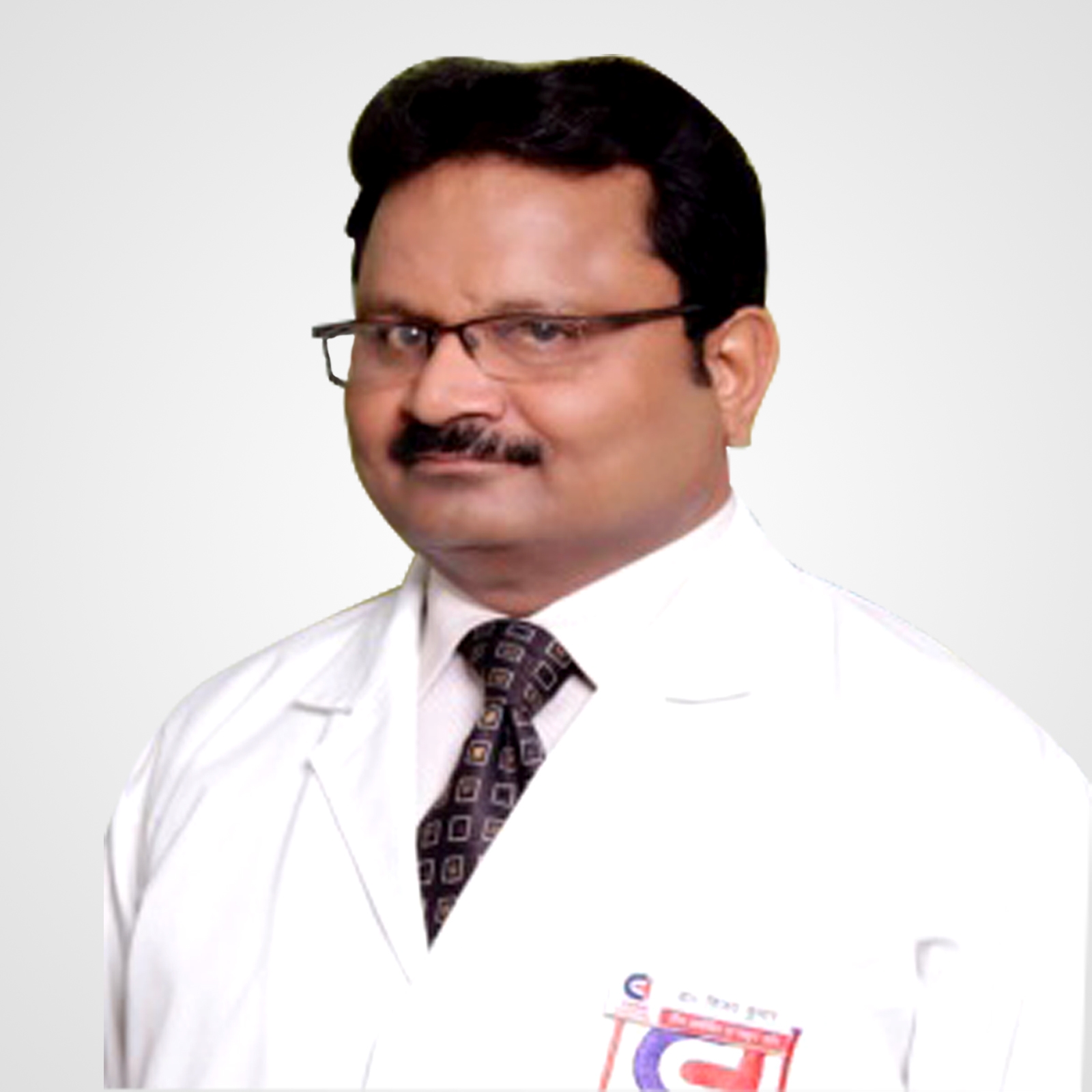
MBBS, MS (Orthopaedics)
Fractures, trauma, joint pain and joint replacement.
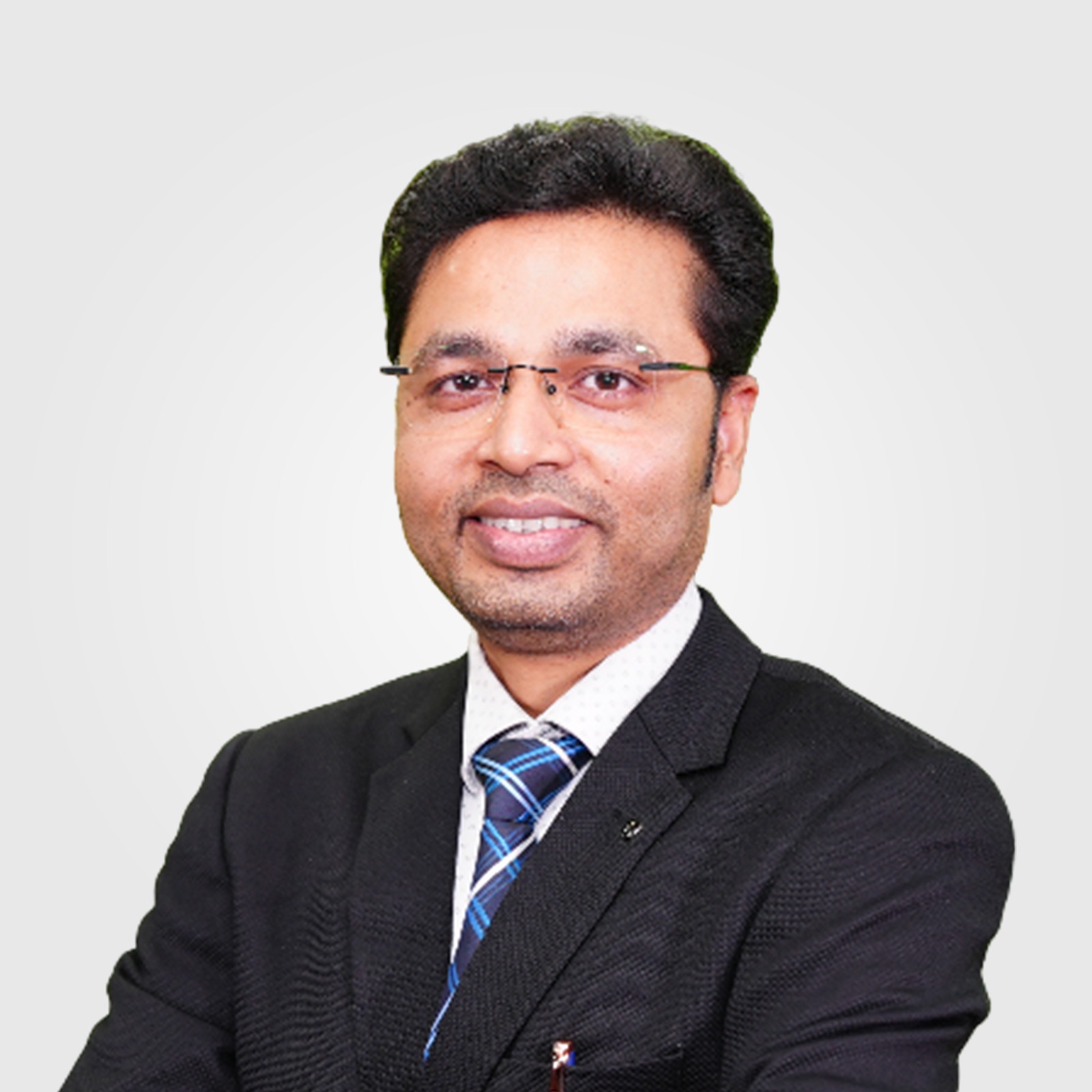
MBBS, MS (Orthopaedics)
Arthroscopy, ACL reconstruction, meniscus and shoulder injuries.

DPT, BPT, MPT
Physiotherapy and rehabilitation after injury, surgery, stroke and long-term pain.
A little preparation helps us help you faster.
Tick off as you pack:
Costs depend on the tests and treatment you need and the length of any hospital stay. Ask our team for a written estimate.
*Coverage depends on your policy and the treatment. Our insurance desk can check this for you.
Call 0522-666-4444Damaged cartilage does not grow back, but pain and function can improve a lot with exercise, weight control and physiotherapy.
When pain, stiffness and deformity limit daily life despite other treatment. Your surgeon will discuss timing with you.
They can give short-term relief in some people. They do not cure arthritis.
Yes, regular walking within comfort, along with strengthening exercises, is helpful.
Usually not. A standing X-ray and examination are enough in most cases.
No matching term. Please ask your doctor at your next visit.
Book a consultation with our orthopaedic team. Call 0522-666-4444.
Medical information disclaimer: This page provides general health information for patients and families. It is not a substitute for a consultation, diagnosis or treatment by a qualified doctor. Treatment decisions depend on each patient's individual condition. In an emergency, call 0522-666-4444 or go to the nearest emergency department.
About this page: Prepared by the Charak Hospital web team with the help of AI writing tools, using information from the Department of Orthopedic & Joint replacement, Charak Hospital & Research Centre · Last updated: October 2026