
Physician, Internal Medicine
Dr. Sumit Saraswat
MBBS, MD (Medicine)
Fever, infections, diabetes, BP and long-term conditions. OPD: Monday to Saturday, 10 am – 5 pm.

Malaria is an infection spread by the bite of an infected Anopheles mosquito, which bites mainly at night. It causes fever with chills and sweating. Uttar Pradesh sees malaria mostly during and after the monsoon. A simple blood test confirms it, and the right medicines cure it — but some types can become severe quickly, so early testing matters.
Share your details — our coordinator will call you back to schedule a visit.
Malaria is caused by Plasmodium parasites. In India, the main types are Plasmodium vivax and Plasmodium falciparum. Falciparum malaria can quickly affect the brain, kidneys and blood and needs urgent treatment. Vivax can come back months later unless the full treatment, including medicine for the liver stage, is completed.
Rapid test or blood smear.
Correct medicines for the type.
Finish the full course.
Nets, repellents and no stagnant water.
Symptoms can look like other fevers, so testing is important.
Shivering followed by high fever and sweating.
Often severe.
Muscle and joint pain.
Loss of appetite.
Marked tiredness.
From anaemia or jaundice.
Fever, vomiting, drowsiness, poor feeding.
Malaria can be more severe; seek care early.
Signs of severe malaria: confusion or drowsiness, fits, difficulty breathing, very little urine, yellow eyes, bleeding or repeated vomiting. Come to the 24×7 emergency department immediately or call 0522-666-4444. Call 0522-666-4444.
Testing confirms malaria and its type.
Results within minutes.
Microscope test that shows the type and amount of parasite.
Haemoglobin and platelets.
In moderate to severe illness.
Dengue and typhoid when needed.
Treatment depends on the type and severity of malaria, age and pregnancy.
Most people take tablets for a few days as prescribed. For vivax malaria, an additional medicine is usually given to prevent relapse, after checking it is safe for you.
Take all doses exactly as advisedParacetamol for feverPlenty of fluids and restSevere malaria is treated with injectable medicine in hospital, often in the ICU, with close monitoring of blood sugar, kidneys and breathing.
Injectable antimalarialsFluids and monitoringTreatment of complicationsGeneral guidance — always follow the advice your own doctor gives you.
Use an insecticide-treated bed net, especially for children and pregnant women.
Wear long sleeves in the evening and use mosquito repellent.
Drain water collected in pots, tyres, coolers and around the house.
Tap a card to see the fact.
Many infections cause chills. Only a blood test confirms malaria.
Stopping early can lead to relapse. Complete the course.
Malaria also occurs in cities where mosquitoes breed.
MBBS, MD (Medicine)
Fever, infections, diabetes, BP and long-term conditions. OPD: Monday to Saturday, 10 am – 5 pm.

MBBS, MD (Medicine)
Infections, diabetes, BP, thyroid and general medicine.
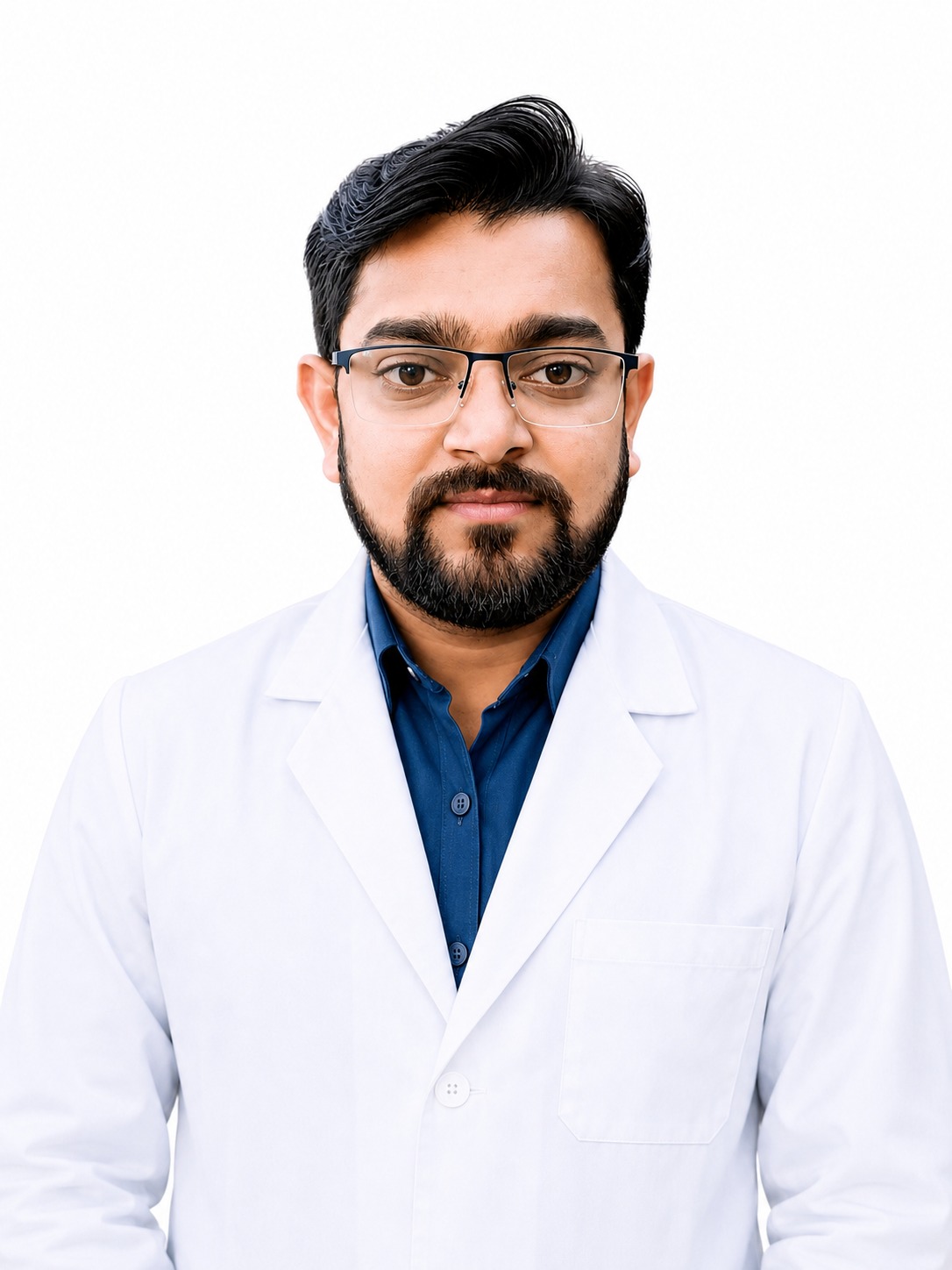
MBBS, MD (Medicine), KGMU
General medicine, infections and critical illness. OPD: Monday to Saturday, 10 am – 5 pm.

MBBS, DCH, DNB (Pediatrics)
Newborn and child care, vaccination, growth and childhood illness. OPD: Monday to Saturday, 10 am – 5 pm.
A little preparation helps us help you faster.
Tick off as you pack:
Costs depend on the tests and treatment you need and the length of any hospital stay. Ask our team for a written estimate.
*Coverage depends on your policy and the treatment. Our insurance desk can check this for you.
Call 0522-666-4444A rapid test gives results within minutes; a blood smear within a few hours.
Vivax malaria can relapse months later if the anti-relapse medicine is not taken. Complete the full course.
It does not spread from person to person, only through mosquito bites (and rarely through blood transfusion).
Yes, it can be more severe. Pregnant women with fever should be tested promptly.
No matching term. Please ask your doctor at your next visit.
Get tested early. See a physician at Charak Hospital or call 0522-666-4444.
Medical information disclaimer: This page provides general health information for patients and families. It is not a substitute for a consultation, diagnosis or treatment by a qualified doctor. Treatment decisions depend on each patient's individual condition. In an emergency, call 0522-666-4444 or go to the nearest emergency department.
About this page: Prepared by the Charak Hospital web team with the help of AI writing tools, using information from the Department of Internal Medicine, Charak Hospital & Research Centre · Last updated: October 2026