
Neurologist
Dr. Anupam Jaiswal
MBBS, MD, DM (Neurology)
Stroke, epilepsy, headache and nerve disorders.

A stroke happens when blood supply to part of the brain is blocked or a blood vessel bursts. Brain cells start dying within minutes, so a stroke is an emergency. At Charak Hospital, Hardoi Road, Dubagga, the emergency, neurology and radiology teams work together 24×7 to assess and treat stroke quickly.
Share your details — our coordinator will call you back to schedule a visit.
Most strokes (ischaemic stroke) are caused by a clot blocking an artery to the brain. Others (haemorrhagic stroke) are caused by bleeding inside or around the brain. A “mini-stroke” or TIA causes symptoms that go away within minutes to hours, but it is a warning that a bigger stroke may follow.
The earlier the treatment, the better the chance of recovery.
CT or MRI shows whether it is a clot or a bleed.
Clot-dissolving medicine or surgery when suitable.
Physiotherapy, speech and swallowing therapy.
If you notice any of these signs suddenly, call for help immediately and note the time symptoms started.
Sudden loss of balance, dizziness or difficulty walking.
Sudden loss of vision in one or both eyes, or double vision.
One side of the face drooping when the person smiles.
Weakness or numbness of one arm or leg.
Slurred speech, or difficulty speaking or understanding.
Call 0522-666-4444 and come to the emergency department at once.
A sudden, very bad headache can mean bleeding.
Sudden confusion, fits or loss of consciousness.
Note the time the symptoms began. Some treatments can only be given within a few hours of the start of a stroke. Do not wait for symptoms to settle, and do not give food, water or medicines by mouth. Call 0522-666-4444.
Tests are done quickly so treatment can start without delay.
A doctor checks strength, speech, vision and alertness.
Shows whether there is bleeding.
Shows the blocked or damaged blood vessels when needed.
Sugar, clotting and heart rhythm.
Echocardiography and carotid Doppler to look for the source of clots.
Treatment depends on the type of stroke, the time since it began and your overall health.
If you reach hospital early and the scan shows no bleeding, a clot-dissolving medicine (thrombolysis) may be given through a drip. The sooner it is given after symptoms begin, the more it can help.
Blood thinners or antiplatelet medicinesControl of blood pressure, sugar and temperatureTreatment of the cause, such as heart rhythm problemsTreatment focuses on controlling blood pressure, reversing blood thinners if needed and preventing more bleeding. Some patients need surgery or a procedure such as aneurysm coiling.
Blood pressure control in the ICUNeurosurgery reviewTreatment of an aneurysm if foundRecovery is fastest in the first weeks and months. Physiotherapy, occupational therapy, speech and swallowing therapy help regain independence.
Starts in hospitalHome exercise programmeRegular follow-upGeneral guidance — always follow the advice your own doctor gives you.
Take blood thinners, blood pressure and cholesterol medicines every day as prescribed.
Check blood pressure at home and keep a record for your doctor.
If swallowing is weak, follow the food texture advice given by the team to avoid choking.
Continue the exercises taught by the physiotherapist every day.
Small daily gains add up over months.
Low mood is common after stroke. Talk to your doctor; help is available.
Tap a card to see the fact.
Strokes can happen at any age, especially with high blood pressure, diabetes or smoking.
A TIA (mini-stroke) is a warning. You still need urgent tests to prevent a major stroke.
Early treatment and rehabilitation can make a big difference to recovery.
MBBS, MD, DM (Neurology)
Stroke, epilepsy, headache and nerve disorders.

MBBS, MS, M.Ch (Neurosurgery)
Brain and spine surgery, head injury and slipped disc.
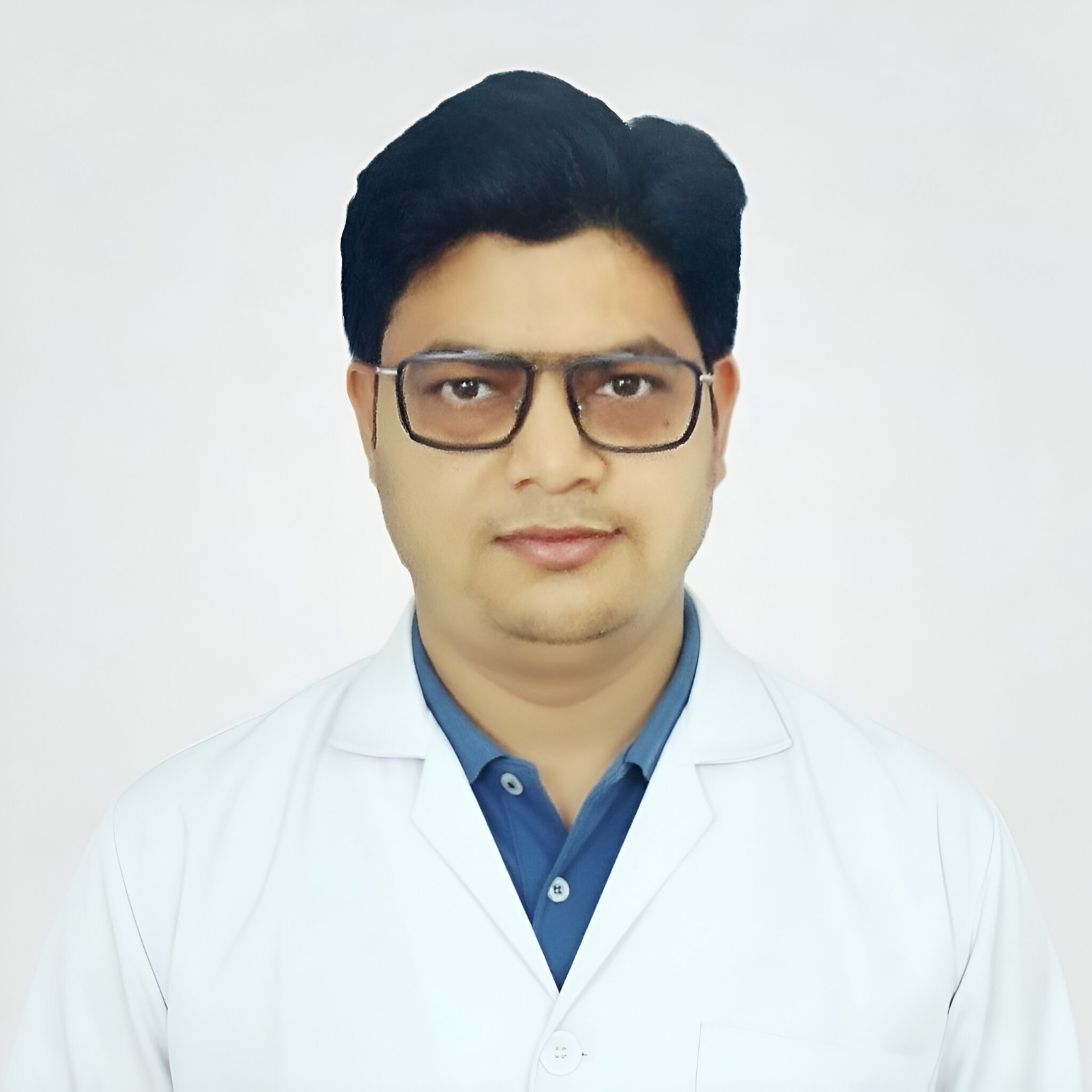
MBBS, MS, M.Ch (Neurosurgery)
Brain tumours, spine surgery and neurotrauma.

MBBS, DNB (Radio-Diagnosis), Fellowship (Interventional Radiology)
Angiography, embolisation and image-guided procedures.
A little preparation helps us help you faster.
Tick off as you pack:
Costs depend on the tests and treatment you need and the length of any hospital stay. Ask our team for a written estimate.
*Coverage depends on your policy and the treatment. Our insurance desk can check this for you.
Call 0522-666-4444Call for help and bring the person to an emergency department straight away. Note the time symptoms started. Do not give food or water.
Yes. Some clot strokes can be treated with clot-dissolving medicine if the person reaches hospital early. All strokes benefit from organised hospital care and rehabilitation.
It varies. Most improvement happens in the first three to six months, but people can keep improving for longer with regular therapy.
A transient ischaemic attack, or mini-stroke, where symptoms go away. It needs urgent assessment because a full stroke may follow.
Control blood pressure, sugar and cholesterol, stop tobacco, stay active and take prescribed medicines.
No matching term. Please ask your doctor at your next visit.
Come to the 24×7 emergency department at Charak Hospital, Hardoi Road, Dubagga, or call 0522-666-4444.
Medical information disclaimer: This page provides general health information for patients and families. It is not a substitute for a consultation, diagnosis or treatment by a qualified doctor. Treatment decisions depend on each patient's individual condition. In an emergency, call 0522-666-4444 or go to the nearest emergency department.
About this page: Prepared by the Charak Hospital web team with the help of AI writing tools, using information from the Institute of Neurosciences, Charak Hospital & Research Centre · Last updated: October 2026