
Interventional Radiologist
Dr. Himanshu Mishra
MBBS, DNB (Radio-Diagnosis), Fellowship (Interventional Radiology)
Angiography, embolisation and image-guided procedures.

A DEXA (dual-energy X-ray absorptiometry) scan measures how dense and strong your bones are. It is the standard test for diagnosing osteoporosis and estimating fracture risk. The scan is quick, does not hurt and uses a very small dose of X-rays. DEXA scanning is available at Charak Hospital, Hardoi Road, Lucknow.
Share your details — our coordinator will call you back to schedule a visit.
A DEXA machine passes two low-dose X-ray beams through the bones, usually of the lower spine and hip. The amount absorbed shows the bone mineral density (BMD). The result is compared with healthy young adults (T-score) and with people of your age (Z-score).
Before a fracture happens.
Repeat scans show change over time.
In and out in under half an hour.
Much less radiation than a chest X-ray.
Your doctor may advise a DEXA scan if you are:
Or younger after menopause with risk factors.
Or younger with risk factors.
A break from a minor fall.
Or other medicines that affect bone.
Thyroid or parathyroid problems, rheumatoid arthritis, early menopause.
To monitor progress.
Pregnant or might be? Tell the staff before the scan. DEXA is usually postponed during pregnancy. Call 0522-666-4444.
Preparation is simple.
Stop calcium supplements for 24 hours before the scan, unless told otherwise.
Tell staff if you had a barium study, CT contrast or nuclear scan in the past one to two weeks.
Wear loose clothes without metal zips, buttons or belts.
No fasting is needed.
Any previous DEXA reports, ideally from the same type of machine.
Here is what to expect.
You lie on your back with your legs supported. The scanner arm moves slowly over your spine and then your hip. You need to keep still and breathe normally.
Takes about 10 to 20 minutesThe technician stays nearbyYou can talk if you need helpGeneral guidance — always follow the advice your own doctor gives you.
Normal bone density.
Low bone mass (osteopenia). Lifestyle advice and sometimes treatment are recommended.
Osteoporosis. Your doctor will discuss treatment to reduce fracture risk.
Used for children, young adults and premenopausal women; a low Z-score may prompt tests for other causes.
MBBS, DNB (Radio-Diagnosis), Fellowship (Interventional Radiology)
Angiography, embolisation and image-guided procedures.

MBBS, MS (Orthopaedics)
Knee and hip replacement, fractures and arthritis care.
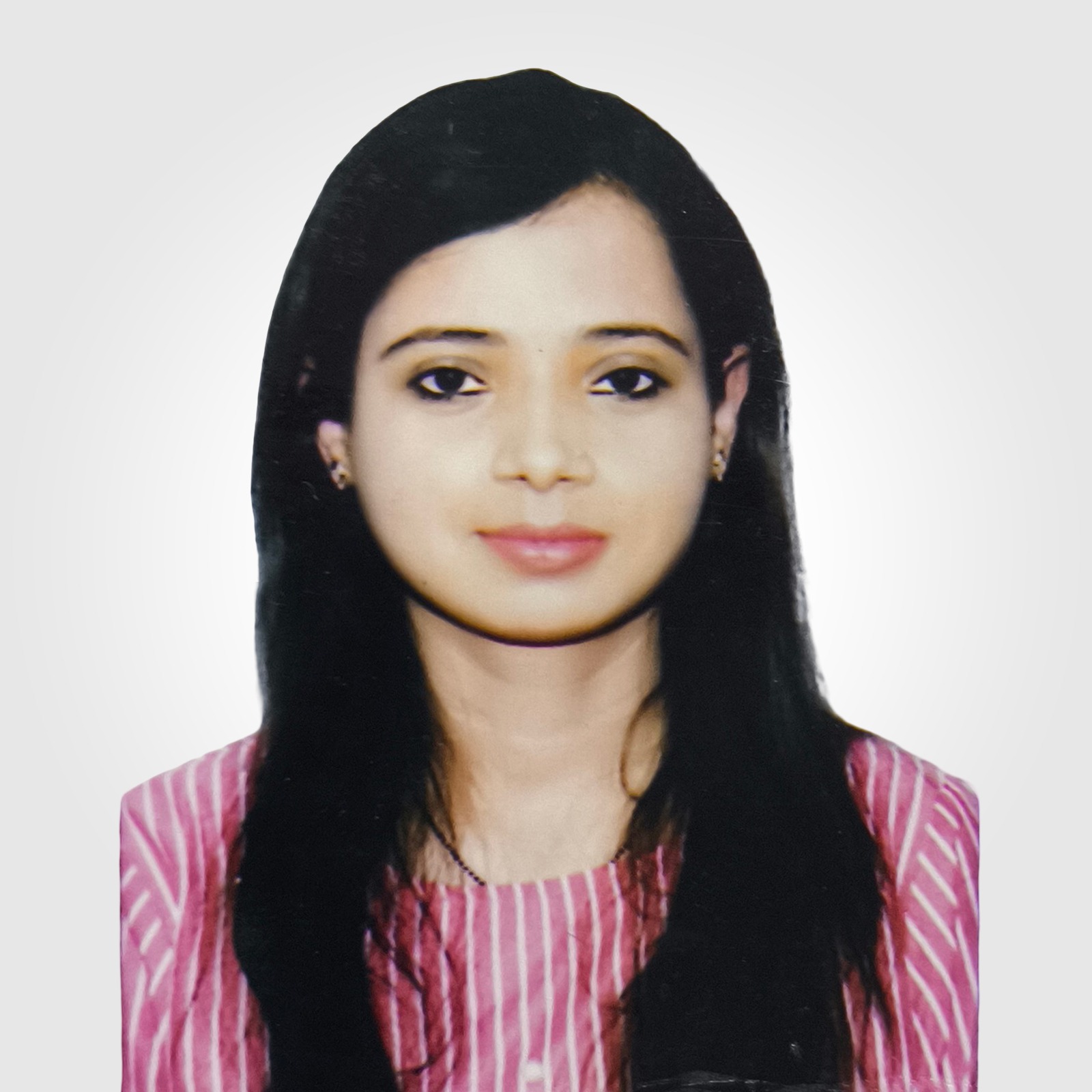
MBBS, MD (Obstetrics & Gynaecology), KGMU
Pregnancy care, high-risk pregnancy, delivery and gynaecological problems. OPD: Monday to Saturday, 10 am – 5 pm.
A little preparation helps us help you faster.
Tick off as you pack:
Ask our team for the current DEXA scan charges. Outpatient tests may or may not be covered by your insurance policy.
*Coverage depends on your policy and the treatment. Our insurance desk can check this for you.
Call 0522-666-4444No. You simply lie still while the scanner passes over you.
Very little — much less than a standard chest X-ray.
Usually every one to two years, as advised by your doctor.
No. Eat normally, but stop calcium tablets for 24 hours unless told otherwise.
Ask at the radiology desk; reports are usually available quickly.
No matching term. Please ask your doctor at your next visit.
Bring your doctor’s prescription. Call 0522-666-4444.
Medical information disclaimer: This page provides general health information for patients and families. It is not a substitute for a consultation, diagnosis or treatment by a qualified doctor. Treatment decisions depend on each patient's individual condition. In an emergency, call 0522-666-4444 or go to the nearest emergency department.
About this page: Prepared by the Charak Hospital web team with the help of AI writing tools, using information from the Department of Radiology, Charak Hospital & Research Centre · Last updated: October 2026