
Interventional Cardiologist
Dr. Manish Kumar Jha
MBBS, MD (General Medicine), DM (Cardiology)
Angiography, angioplasty and stents, heart attack and heart failure care.

Angina is chest pain or discomfort that happens when the heart muscle does not get enough blood, usually because the coronary arteries are narrowed. It typically comes on with exertion or stress and settles with rest. Chest pain has many causes, and some — like a heart attack — need emergency care.
Share your details — our coordinator will call you back to schedule a visit.
Angina is a symptom of coronary artery disease. Fatty deposits narrow the arteries that supply the heart, so during effort the heart muscle runs short of oxygen. Stable angina follows a predictable pattern. Unstable angina — new, worsening or at rest — is a warning sign of a heart attack and needs urgent care.
ECG and blood tests.
Echo, stress test, angiography.
Medicines, angioplasty or bypass.
Risk-factor control.
Angina feels different for different people.
Pressure, heaviness or squeezing in the chest.
To the arm, jaw, neck or back.
Comes on with walking, stairs or stress.
Eases within a few minutes of rest.
Short of breath on effort.
Cold sweat with the discomfort.
Feeling sick or like indigestion.
Especially in women and older adults.
Call for emergency help if: chest pain lasts more than a few minutes, comes at rest, or comes with sweating, breathlessness or fainting. Do not drive yourself. Call 0522-666-4444.
Tests check whether the pain is from the heart and how severe the narrowing is.
Checks for strain or damage.
Troponin, sugar and cholesterol.
Looks at heart pumping and valves.
Checks the heart during exercise, if safe.
A dye X-ray of the heart arteries to see blockages.
Treatment relieves symptoms and lowers the risk of a heart attack.
Medicines relieve angina and lower the risk of a heart attack. Your doctor may prescribe a spray or tablet under the tongue for attacks.
Aspirin or other blood thinnersStatins for cholesterolMedicines to reduce the heart’s workloadIf tests show significant blockages, the artery may be opened with angioplasty and a stent, or bypassed with surgery (CABG). The choice depends on the number and site of blockages and your overall health.
Coronary angiographyAngioplasty with stentCoronary artery bypass surgeryGeneral guidance — always follow the advice your own doctor gives you.
Stopping smoking is one of the most effective steps to protect your heart.
Choose more vegetables, fruit, whole grains and pulses; reduce salt, fried food and sweets.
Regular walking helps. Ask your cardiologist how much activity is safe for you.
Tap a card to see the fact.
Heart pain can feel like indigestion. If unsure, get an ECG.
Women and younger people with diabetes or who smoke can have angina too.
Medicines remain important after a stent to prevent clots and new blockages.
MBBS, MD (General Medicine), DM (Cardiology)
Angiography, angioplasty and stents, heart attack and heart failure care.

MBBS, MD (General Medicine), DM (Cardiology)
Coronary angiography and angioplasty, chest pain, high BP and heart rhythm problems.
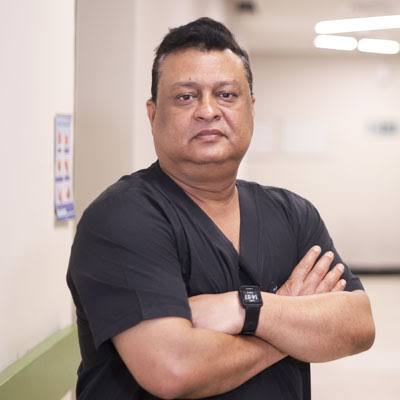
MBBS, MS, M.Ch (CTVS)
Bypass surgery (CABG), heart valve surgery and chest surgery.
A little preparation helps us help you faster.
Tick off as you pack:
Costs depend on the tests and treatment you need and the length of any hospital stay. Ask our team for a written estimate.
*Coverage depends on your policy and the treatment. Our insurance desk can check this for you.
Call 0522-666-4444Angina settles with rest and does not damage the heart. In a heart attack an artery is blocked and heart muscle is being damaged — it needs emergency treatment.
No. Many people do well on medicines. Angioplasty or surgery is advised when tests show it will help.
Usually yes, within limits your cardiologist sets. Cardiac rehabilitation can help.
Acid reflux, muscle strain, lung problems and anxiety, among others. Heart causes should be ruled out first.
No matching term. Please ask your doctor at your next visit.
Get your heart checked. See a cardiologist at Charak Hospital or call 0522-666-4444.
Medical information disclaimer: This page provides general health information for patients and families. It is not a substitute for a consultation, diagnosis or treatment by a qualified doctor. Treatment decisions depend on each patient's individual condition. In an emergency, call 0522-666-4444 or go to the nearest emergency department.
About this page: Prepared by the Charak Hospital web team with the help of AI writing tools, using information from the Institute of Cardiac Sciences, Charak Hospital & Research Centre · Last updated: October 2026