
Head of Department
Dr. Jugendra Singh
MBBS, MD, DM (Pulmonology & Critical Care)
Critical care, ventilation and respiratory medicine.

In obstructive sleep apnoea (OSA), the throat narrows or closes again and again during sleep, briefly stopping breathing. It disturbs sleep, lowers oxygen levels and raises the risk of high blood pressure, heart disease, diabetes and road accidents. The pulmonary and sleep medicine team at Charak Hospital diagnoses OSA with a sleep study and treats it.
Share your details — our coordinator will call you back to schedule a visit.
During sleep the muscles of the throat relax. In OSA, the airway becomes blocked, breathing stops for 10 seconds or more, oxygen falls and the brain wakes briefly to restart breathing. This can happen dozens of times an hour without the person knowing.
Confirms OSA and its severity.
A mask and gentle air pressure keep the airway open.
Can reduce or resolve OSA in many people.
ENT or bariatric surgery in selected patients.
A bed partner often notices the first signs.
Often every night.
Stopping breathing, then gasping or choking.
Tired despite a full night in bed.
Dozing while reading, watching TV or driving.
And a dry mouth on waking.
Getting up often at night.
Irritability and forgetfulness.
Especially if hard to control.
Feeling sleepy while driving? Stop driving and get assessed. Untreated sleep apnoea is a common cause of road accidents. Call 0522-666-4444.
A sleep study is the key test.
Symptoms, sleepiness score, neck size and examination of the nose and throat.
Records breathing, oxygen, heart rate and sleep overnight.
The number of breathing pauses per hour decides severity.
Blood tests, thyroid tests and heart checks if needed.
For large tonsils, nasal blockage or jaw problems.
Treatment depends on severity and the cause.
A small machine blows air through a mask to keep the throat open during sleep. It is the most widely used treatment for moderate and severe OSA.
Mask fitting and pressure settingUsed every nightRegular follow-upWeight loss, avoiding alcohol and sedatives at night, and sleeping on your side help many people.
Weight-loss plan with dietitianRegular exerciseTreat nasal blockageSurgery to remove large tonsils or correct nasal blockage helps selected patients, especially children.
Tonsil and adenoid surgery in childrenNasal surgeryAssessment by ENT surgeonGeneral guidance — always follow the advice your own doctor gives you.
Benefits depend on regular use, including naps.
Do not drive when sleepy. Discuss driving with your doctor.
Tell your surgeon and anaesthetist that you have sleep apnoea and bring your CPAP machine.
Tap a card to see the fact.
Loud snoring with pauses can be a sign of sleep apnoea, which affects the heart and brain.
Weight is a major factor, but thin people can also have OSA.
Sedatives can worsen sleep apnoea.
MBBS, MD, DM (Pulmonology & Critical Care)
Critical care, ventilation and respiratory medicine.
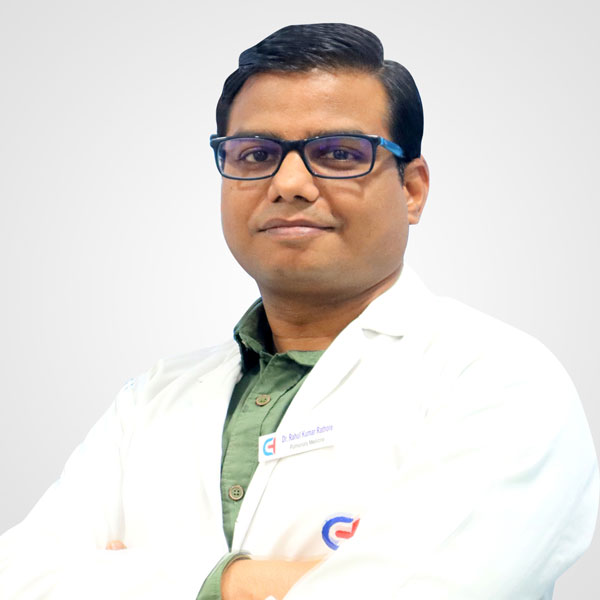
MBBS, MD (Tuberculosis & Respiratory Medicine)
TB, chest infections, asthma and COPD. OPD: Monday to Saturday, 10 am – 5 pm.

MBBS, MS (ENT), DNB (Otorhinolaryngology)
Ear, nose, sinus and throat problems, endoscopic sinus surgery, ear surgery and voice problems. OPD: Monday to Saturday, 10 am – 5 pm.
A little preparation helps us help you faster.
Tick off as you pack:
Costs depend on the tests and treatment you need and the length of any hospital stay. Ask our team for a written estimate.
*Coverage depends on your policy and the treatment. Our insurance desk can check this for you.
Call 0522-666-4444Sensors are placed on the face, chest and finger. It does not hurt, and most people sleep reasonably well.
Usually yes, unless the cause, such as weight or large tonsils, is treated.
Yes. Untreated OSA is linked with high blood pressure, irregular heartbeat, heart failure and stroke.
Yes, often due to large tonsils and adenoids. Snoring with pauses in a child should be checked.
No matching term. Please ask your doctor at your next visit.
Book a sleep medicine consultation. Call 0522-666-4444.
Medical information disclaimer: This page provides general health information for patients and families. It is not a substitute for a consultation, diagnosis or treatment by a qualified doctor. Treatment decisions depend on each patient's individual condition. In an emergency, call 0522-666-4444 or go to the nearest emergency department.
About this page: Prepared by the Charak Hospital web team with the help of AI writing tools, using information from the Institute of Pulmonary & Sleep Medicine, Charak Hospital & Research Centre · Last updated: October 2026