
Haematologist
Dr. B. K. Singh
MBBS, MD, Haematology
Anaemia, bleeding and clotting disorders, thalassaemia and blood cancers.

Anaemia means you have fewer healthy red blood cells or less haemoglobin than normal, so less oxygen reaches the body. It is very common in India, especially in women, children and pregnant women. The commonest cause is iron deficiency, but vitamin B12 or folate deficiency, blood loss, chronic disease and inherited conditions such as thalassaemia can also cause it.
Share your details — our coordinator will call you back to schedule a visit.
Haemoglobin is the protein in red blood cells that carries oxygen. The WHO defines anaemia in adults as haemoglobin below 13 g/dL in men and 12 g/dL in non-pregnant women (11 g/dL in pregnancy). Anaemia is a sign of an underlying problem, so the cause must be found.
Blood count and iron studies.
Bleeding, diet, other illness.
Iron, B12, folate or more.
Repeat tests to confirm.
Mild anaemia may cause no symptoms.
Low energy and weakness.
Pale skin, nails or inner eyelids.
Short of breath on effort.
Palpitations, especially on effort.
Light-headedness on standing.
Frequent headaches and poor focus.
Common in iron deficiency.
Craving ice, clay or chalk.
Seek urgent care if: you have chest pain, severe breathlessness, fainting, or black or bloody stools. Call 0522-666-4444.
Blood tests confirm anaemia and point to the cause.
Haemoglobin and red cell size.
Ferritin and iron levels.
Especially if red cells are large.
To look for hidden blood loss or worms.
Endoscopy, haemoglobin electrophoresis or bone marrow tests if needed.
Treatment replaces what is missing and corrects the cause.
Iron tablets are usually continued for about three months after haemoglobin returns to normal, to refill iron stores. If tablets are not tolerated or not enough, iron can be given through a drip.
Iron tablets with vitamin C-rich foodAvoid tea or coffee with ironIntravenous iron when advisedVitamin B12 deficiency is treated with injections or tablets, and folate deficiency with tablets. Anaemia due to kidney disease may need injections that boost red cell production. Severe anaemia sometimes needs a blood transfusion.
Vitamin B12 and folateTreatment of kidney or long-term diseaseTransfusion in severe casesGeneral guidance — always follow the advice your own doctor gives you.
Green leafy vegetables, pulses, jaggery, dates, eggs, fish and meat. Pair them with lemon, amla or oranges to absorb more iron.
Take tea or coffee at least an hour away from meals and iron tablets.
Take iron and folic acid as advised in pregnancy, and get heavy periods checked.
Tap a card to see the fact.
Men and children get anaemia too. In men, it may signal hidden bleeding.
Diet helps, but most iron-deficiency anaemia needs tablets and a search for the cause.
Continue for the advised time to refill iron stores.
MBBS, MD, Haematology
Anaemia, bleeding and clotting disorders, thalassaemia and blood cancers.

MBBS, MD (Medicine)
Fever, infections, diabetes, BP and long-term conditions. OPD: Monday to Saturday, 10 am – 5 pm.

MBBS, MD (Medicine)
Infections, diabetes, BP, thyroid and general medicine.
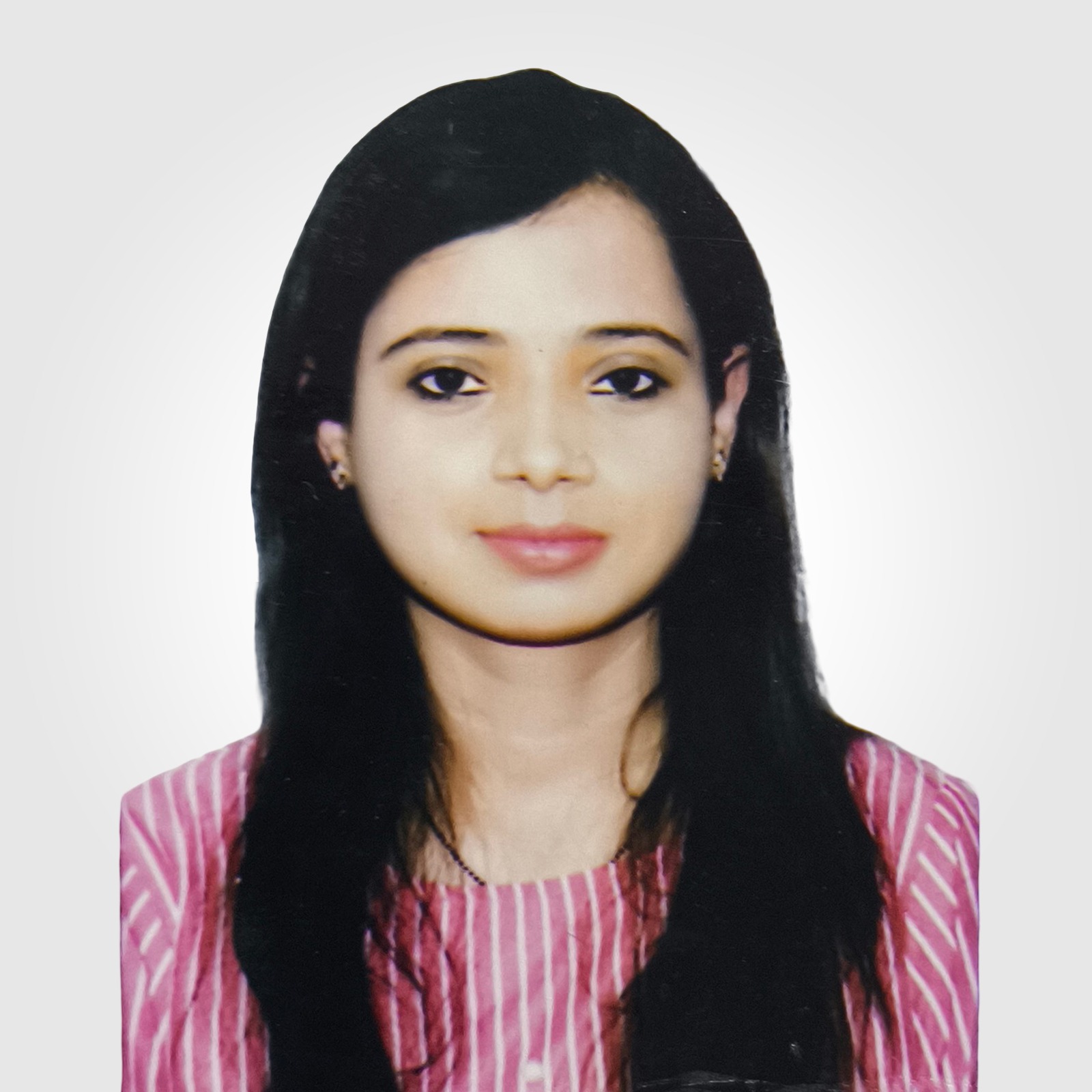
MBBS, MD (Obstetrics & Gynaecology), KGMU
Pregnancy care, high-risk pregnancy, delivery and gynaecological problems. OPD: Monday to Saturday, 10 am – 5 pm.
A little preparation helps us help you faster.
Tick off as you pack:
Costs depend on the tests and treatment you need and the length of any hospital stay. Ask our team for a written estimate.
*Coverage depends on your policy and the treatment. Our insurance desk can check this for you.
Call 0522-666-4444For adults, generally 13 g/dL or more in men and 12 g/dL or more in non-pregnant women. Labs may vary slightly.
Haemoglobin usually starts rising within 2 to 4 weeks; stores take a few months to refill.
Yes, it can affect mother and baby. Regular blood tests and iron-folic acid supplements are advised.
If you have thalassaemia trait, testing your partner before pregnancy is advised.
No matching term. Please ask your doctor at your next visit.
A simple blood test can check for anaemia. See a doctor at Charak Hospital or call 0522-666-4444.
Medical information disclaimer: This page provides general health information for patients and families. It is not a substitute for a consultation, diagnosis or treatment by a qualified doctor. Treatment decisions depend on each patient's individual condition. In an emergency, call 0522-666-4444 or go to the nearest emergency department.
About this page: Prepared by the Charak Hospital web team with the help of AI writing tools, using information from the Department of Hematology | Hemato-Oncology, Charak Hospital & Research Centre · Last updated: October 2026