
Head of Department
Dr. Jugendra Singh
MBBS, MD, DM (Pulmonology & Critical Care)
Critical care, ventilation and respiratory medicine.

When a patient is seriously ill, after major surgery, or needs support for breathing, blood pressure or kidneys, our intensive care team at Charak Hospital, Hardoi Road, Dubagga, provides round-the-clock monitoring and treatment. Our anaesthesiologists keep patients safe and comfortable during surgery and childbirth.
Share your details — our coordinator will call you back to schedule a visit.
The intensive care unit (ICU) looks after patients whose life is at risk — from severe infection, breathing failure, major surgery, accidents or organ failure. Our intensivists, nurses and anaesthesiologists work with every specialist in the hospital, and keep families informed at every step.
Medical, surgical and post-operative ICU care.
Oxygen, BiPAP and ventilator care.
General, spinal and regional anaesthesia for surgery.
Labour epidurals and pain relief after surgery.
Doctors decide on ICU admission based on how sick a patient is and what support they need. These are common reasons.
Severe breathlessness or low oxygen needing BiPAP or a ventilator.
Infection with low BP, confusion or organ damage.
Heart attack, dangerous rhythms or shock.
Reduced consciousness, seizures or after brain surgery.
Serious injuries after accidents or falls.
Close monitoring after heart, brain, abdominal or cancer surgery.
Poisoning, overdose or snake bite needing close care.
Kidney or liver failure, or severe diabetes complications.
Bring the patient to emergency straight away for severe breathlessness, unconsciousness, a seizure that does not stop, severe chest pain, heavy bleeding, poisoning or snake bite. Call 0522-666-4444.
Tap a condition to read about it and how it is treated.
Fever or low temperature, fast breathing, confusion, low BP and reduced urine.
Blood tests, cultures, lactate and scans to find the source.
Early antibiotics, fluids, medicines to support BP, and treating the source.
Read about sepsisSevere breathlessness, low oxygen, drowsiness.
Oxygen levels, blood gas tests and chest imaging.
Oxygen, BiPAP or ventilator support while the cause is treated.
Read about ARDSHigh fever, breathlessness and low oxygen.
Chest X-ray or CT and blood tests.
Antibiotics, oxygen and breathing support.
Read about pneumoniaLittle urine, swelling, breathlessness, confusion.
Blood and urine tests.
Treating the cause, fluid balance and dialysis in the ICU when needed.
Nephrology & dialysisVomiting, fast breathing, drowsiness, dehydration.
Blood sugar, ketones and blood gas tests.
IV fluids, insulin and close monitoring.
EndocrinologyJaundice, confusion, bleeding and swelling.
Blood tests and scans.
Supportive ICU care and treating the cause with the gastroenterology team.
GastroenterologyChest pain, sweating, low BP, breathlessness.
ECG, troponin and echo.
Emergency angioplasty, medicines and ICU support with the cardiac team.
Cardiac sciencesWeakness, reduced consciousness, seizures.
CT or MRI brain.
Treatment with the neurosciences team, airway protection and ICU monitoring.
NeurosciencesVomiting, drowsiness, breathing difficulty, bleeding or swelling.
History and blood tests.
Antidotes or anti-snake venom where indicated, and supportive ICU care.
See emergency signsBleeding, fractures, head or chest injury.
Rapid assessment and scans.
Resuscitation, surgery and ICU care with surgical teams.
Orthopaedics & traumaNo match found. Please call us on 0522-666-4444 — we will guide you.
ICU patients are watched continuously so that changes are picked up and treated early.
Heart rate, rhythm, BP, oxygen and breathing shown continuously.
Blood gases, blood counts, kidney and liver tests, often daily.
Bedside X-rays and ultrasound; CT when needed.
IV lines, urinary catheter and other tubes for treatment and monitoring.
Specialists and the ICU team review the plan every day.
Every patient is different, but most ICU stays follow these stages. Tap a stage to learn more.
Choose a topic to see what it involves.
Patients who cannot breathe well enough on their own are supported with high-flow oxygen, BiPAP through a mask, or a ventilator through a breathing tube.
High-flow oxygenBiPAP / NIVMechanical ventilationTracheostomy careSepsis is treated urgently with antibiotics, fluids and medicines to support blood pressure, while the source of infection is found and treated.
Early antibioticsFluids and BP supportSource controlInfection preventionMedicines support blood pressure and heart function, and dialysis supports failing kidneys, while the main illness is treated.
BP-support medicinesDialysis in ICUBlood transfusionNutrition supportOur anaesthesiologists assess each patient before surgery and choose the safest anaesthesia — general, spinal, epidural or nerve block — with monitoring throughout.
Pre-anaesthesia check-upGeneral anaesthesiaSpinal and epidural anaesthesiaNerve blocksGood pain relief helps recovery. We offer labour epidurals, pain relief after surgery and interventional pain procedures for long-term pain.
Labour epiduralPost-operative pain reliefNerve blocksInterventional pain managementUnits and services run by the department.
Your health, medicines and past anaesthesia are reviewed.
Blood tests, ECG and others as needed.
Usually no food for 6–8 hours before surgery; clear fluids as advised.
Given and monitored throughout by an anaesthesiologist.
Close watch as you wake up, with pain relief.
With advice on pain relief and eating.
Having someone in the ICU is stressful. Knowing what to expect can help.
Please ask about any of these:
Tap each one you have done:
One family member as the main contact helps the team share updates clearly.
Request a call backRecovery after a serious illness can take weeks or months. These tips can help.
Muscle weakness is common after an ICU stay. Physiotherapy and gradual activity help.
Increase walking a little each day.
Poor sleep, vivid dreams or memory problems are common for a while.
Keep a regular routine and talk to your doctor if they persist.
Feeling low, anxious or upset is common for patients and families.
Talk about it and ask for help if it lasts.
Eat small, frequent, protein-rich meals to rebuild strength.
Follow advice if swallowing was affected.
Take all medicines as prescribed and attend follow-up visits.
Bring the discharge summary to every visit.
Ask the team to show you how to help with moving and care at home.
Look after your own health too.
Some ICU admissions can be prevented. These are general guides.
| Who | What we recommend | How often |
|---|---|---|
| Adults 50+ and people with chronic illness | Flu vaccine | Every year |
| Adults 65+ and people with lung or heart disease | Pneumococcal vaccine | As advised |
| People with diabetes | Sugar control and sick-day plan | Ongoing |
| People with heart or lung disease | Regular specialist review | As advised |
| Before planned surgery | Pre-anaesthesia check-up | Before the operation |
| Anyone with signs of sepsis | Urgent medical review | Immediately |
Tap a card to see the fact.
Many patients are weaned off the ventilator as they recover. It supports breathing while the illness is treated.
Most ICU patients recover. The ICU provides close care during the most serious phase of illness.
Long-term back pain from spinal anaesthesia is uncommon. Mild soreness at the injection site can occur for a few days.
Labour epidurals are widely used and considered safe for mother and baby when given by an anaesthesiologist.
Too many visitors increase infection risk and tire the patient. Follow visiting rules.
Modern anaesthesia is safe for most people. Your anaesthesiologist will explain your individual risks.
MBBS, MD, DM (Pulmonology & Critical Care)
Critical care, ventilation and respiratory medicine.
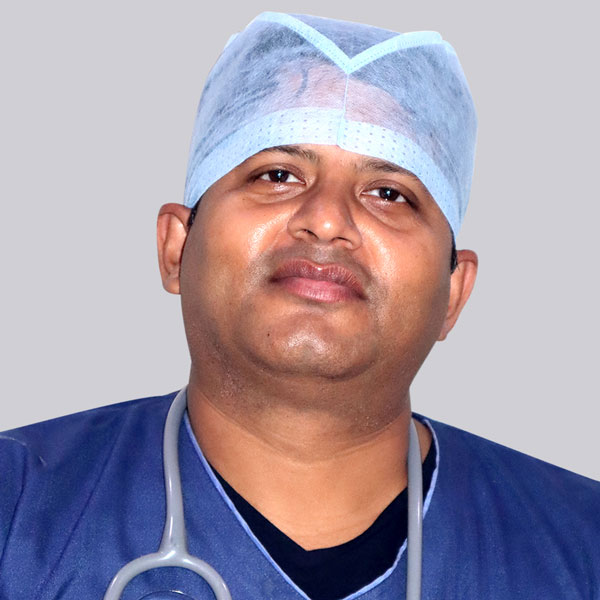
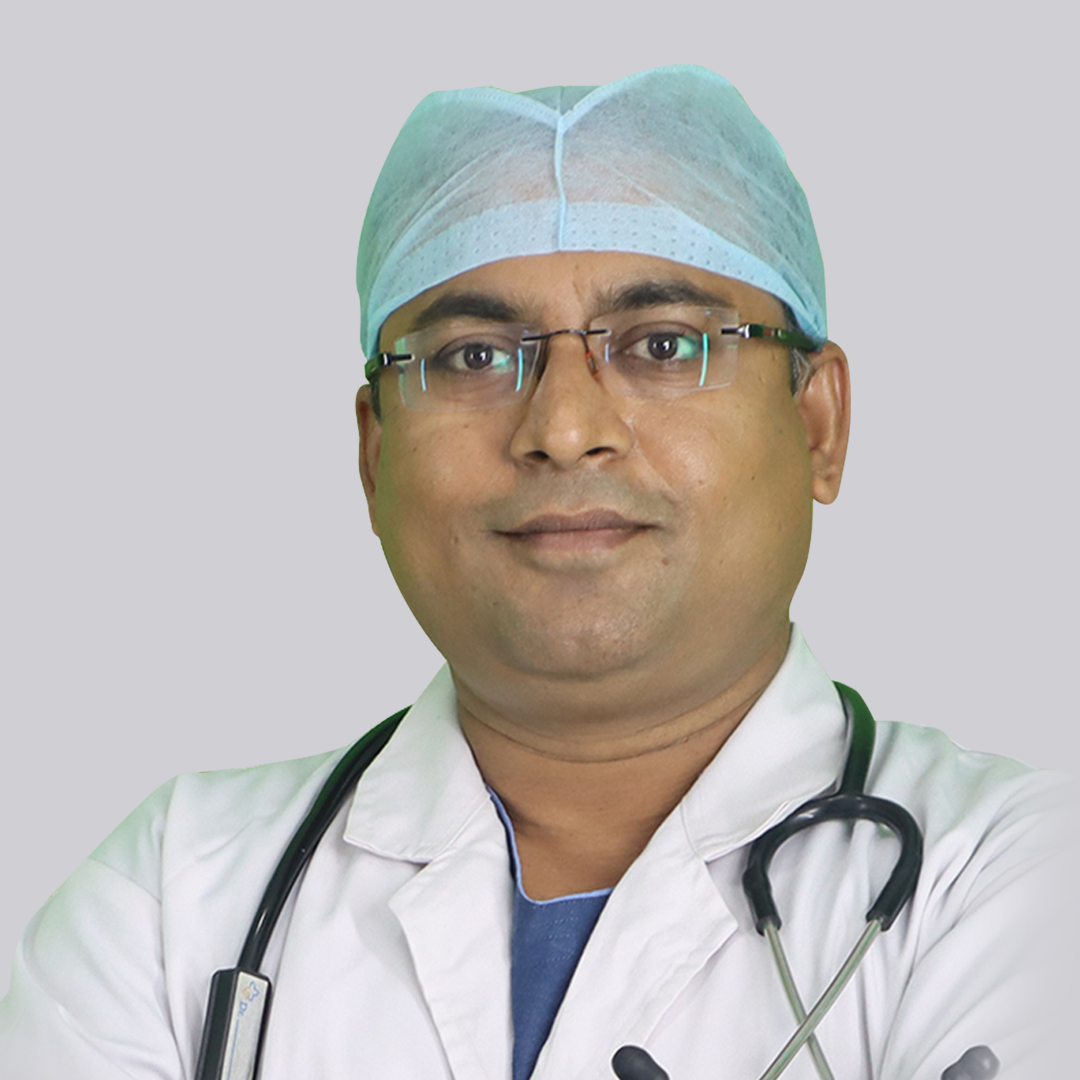

MBBS, MD (Anaesthesia), PDCC (Critical Care), KGMU
Critical care and anaesthesia.

MBBS, MD (Anaesthesiology), SGPGI
Anaesthesia and intensive care.

MBBS, MD, PDCC (Critical Care), Fellowship in Infectious Disease
Critical care and infections in the ICU.
A little preparation helps us make the most of your appointment.
Tick off as you pack:
Costs depend on the tests and treatment you need. Ask our team for a written estimate before planned tests, procedures or admission.
*Coverage depends on your policy and the treatment. Our insurance desk can check this for you.
Call 0522-666-4444Yes, at set visiting times and with a limit on the number of visitors, to protect patients from infection. The team will explain the rules.
The doctor gives updates to the family at set times each day, and sooner if there is a major change.
Sedation keeps patients comfortable and safe while on a ventilator or during painful treatments.
A visit before planned surgery where the anaesthesiologist reviews your health and tests to plan safe anaesthesia.
Usually no food for 6–8 hours. Follow the exact instructions given to you.
Yes. Ask your obstetrician and our anaesthesia team during your antenatal visits.
Most health insurance policies cover ICU care during admission. Our insurance desk can check your policy.
Call 0522-666-4444 or come straight to the 24×7 emergency department.
No matching term. Please ask your doctor at your next visit.
Speak with our team. In an emergency, come straight to the 24×7 emergency department.
Medical information disclaimer: This page provides general health information for patients and families. It is not a substitute for a consultation, diagnosis or treatment by a qualified doctor. Treatment decisions depend on each patient's individual condition. In an emergency, call 0522-666-4444 or go to the nearest emergency department.
About this page: Prepared by the Charak Hospital web team with the help of AI writing tools, using information from the Department of Critical Care & Anaesthesia, Charak Hospital & Research Centre · Last updated: October 2026