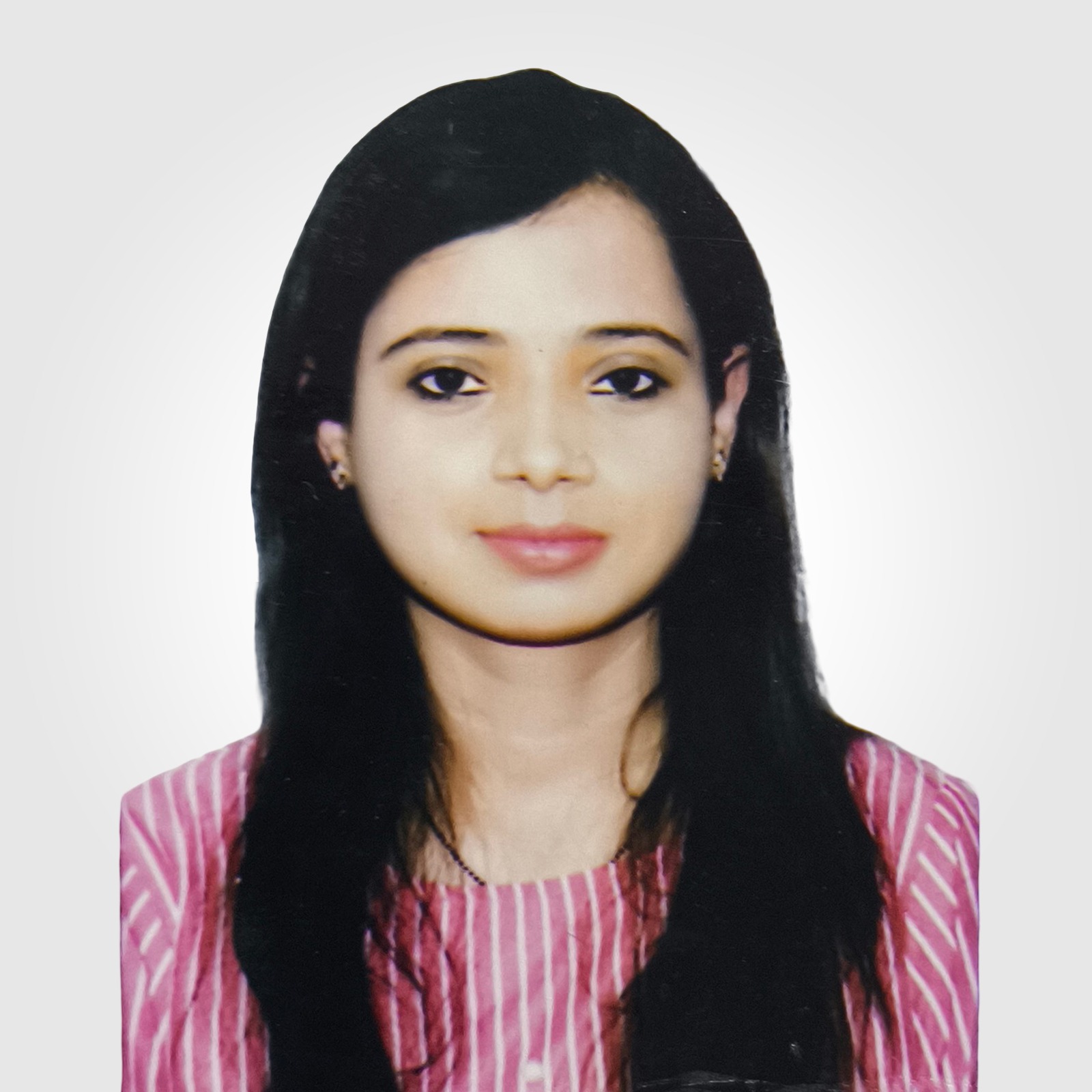
Obstetrician & Gynaecologist
Dr. Nisha Rani Dwivedi
MBBS, MD (Obstetrics & Gynaecology), KGMU
Pregnancy care, high-risk pregnancy, delivery and gynaecological problems. OPD: Monday to Saturday, 10 am – 5 pm.

Planning a pregnancy, expecting a baby, or troubled by heavy periods, pelvic pain or PCOS? Our obstetricians and gynaecologists at Charak Hospital, Hardoi Road, Dubagga, care for women at every stage — from antenatal check-ups and safe delivery to keyhole surgery and menopause care.
Share your details — our coordinator will call you back to schedule a visit.
Our team looks after pregnancy and childbirth, and the gynaecological problems women face from their teens to menopause. Delivery, surgery, neonatal care and intensive care are on the same campus, which matters most when a pregnancy is high-risk.
Antenatal care, normal delivery, caesarean section and labour pain relief.
Diabetes, high BP, thyroid problems, twins and previous complications.
Laparoscopic and open surgery for fibroids, cysts, prolapse and hysterectomy.
Periods, PCOS, infections, contraception, menopause and cancer screening.
See a doctor for any of these, or for a routine check if you are planning a pregnancy.
Periods that are very heavy, painful, irregular or missed.
Bleeding between periods, after sex or after menopause.
Pain that keeps coming back, or pain during periods or sex.
Folic acid, health checks and advice before you conceive.
No pregnancy after a year of trying, or six months if over 35.
Possible signs of PCOS.
Unusual discharge, smell or irritation.
A lump or bulge in the vagina, or leaking urine — possible prolapse.
In pregnancy, come to emergency straight away if you have bleeding, leaking fluid, severe abdominal pain, fits, severe headache with blurred vision, or reduced baby movements. Call 0522-666-4444.
Tap a topic to read the common signs, how it is diagnosed and how it is treated.
Regular check-ups, blood tests, scans, BP and weight checks, and advice on diet and exercise.
Dating scan, NT scan at 11–14 weeks, anomaly scan at 18–22 weeks, sugar test and growth scans.
We discuss normal delivery, caesarean section and pain relief with you in advance.
See pregnancy timelineDiabetes, high BP, thyroid problems, twins, age over 35, previous caesarean or pregnancy loss.
More frequent visits, scans and tests, with joint care from physicians and endocrinologists.
Planned timing and mode of delivery, with neonatal support ready.
Read about high-risk pregnancyOften none; sometimes headache, blurred vision, swelling or upper abdominal pain.
BP checks and urine protein tests at every visit, and blood tests.
BP medicines, close monitoring and planned delivery when needed.
Pregnancy complications guideUsually none; found on the glucose test.
Oral glucose tolerance test at the first visit and at 24–28 weeks.
Diet, home sugar checks and insulin or tablets if needed, with the endocrinology team.
Endocrinology & diabetesWhen normal delivery is not safe for mother or baby — for example a baby in breech position or signs of distress.
Spinal anaesthesia so you are awake; most mothers walk the next day.
Hospital stay of a few days and wound care at home.
About C-sectionIrregular periods, acne, excess hair, weight gain and difficulty getting pregnant.
History, hormone blood tests and pelvic ultrasound.
Lifestyle changes, medicines to regulate periods, and fertility treatment when needed.
Read about PCOSSoaking pads every hour or two, clots, periods lasting over 7 days, or pain that stops daily activities.
Examination, blood count, thyroid test and pelvic ultrasound.
Medicines, hormonal treatment or a hormonal coil; procedures for fibroids or polyps.
About endometrial ablationHot flushes, sleep problems, mood changes and vaginal dryness.
Lifestyle advice, treatment for symptoms, and bone and heart health checks.
Any bleeding after menopause must be checked.
About hysteroscopyHeavy periods, pelvic pressure, frequent urination, or no symptoms.
Pelvic ultrasound.
Monitoring, medicines, or surgery to remove fibroids (myomectomy) or the womb (hysterectomy).
About myomectomyOften none; sometimes pain, bloating or irregular periods.
Ultrasound and sometimes blood tests.
Many settle on their own; laparoscopic removal for large, persisting or painful cysts.
About ovarian cystectomyA bulge or dragging feeling in the vagina, or leaking urine on coughing or laughing.
Examination.
Pelvic floor exercises, pessaries, or surgery such as hysterectomy or a TVT sling.
Read about urogynaecologyLarge fibroids, heavy bleeding not helped by other treatment, prolapse, or some cancers.
Laparoscopic (keyhole), vaginal or open surgery, depending on your condition.
Most return to light activity in 2–6 weeks.
About hysterectomyWomen aged 25–65, as advised; earlier if there are symptoms.
A quick Pap smear or HPV test; colposcopy if a test is abnormal.
HPV vaccination for girls and young women.
About colposcopyBleeding after menopause or after sex, persistent bloating, pelvic pain or unusual discharge.
Examination, ultrasound, biopsy and scans.
Surgery, chemotherapy or radiotherapy with the oncology team.
Gynaecological oncologyItching, unusual discharge, smell or burning.
Examination and swab tests.
Medicines for the cause; partner treatment when needed.
After a year of trying, or six months if you are over 35, or sooner with irregular periods.
Tests for both partners — hormones, ultrasound, tubal tests and semen analysis.
Treating the cause, ovulation medicines, and advanced treatment where needed.
About IVFNo match found. Please call us on 0522-666-4444 — we will guide you.
Most gynaecological problems are diagnosed with an examination and ultrasound. In pregnancy, tests are planned at set times.
Your history and an examination, with a woman attendant present.
Pelvic or transvaginal ultrasound; pregnancy scans at key stages.
Blood count, thyroid, sugar, hormones, and pregnancy tests.
Screening and closer examination of the cervix.
A camera look inside the womb or abdomen when needed.
Tap a stage to see the usual check-ups and tests. Your doctor may add others.
Choose a topic to see what treatment involves and how to stay safe.
Regular check-ups track your health and your baby’s growth, find problems early, and prepare you for delivery.
Pregnancy scansAntenatal blood testsDiet and supplementsVaccinationsWe support normal delivery whenever it is safe, with pain relief options. A caesarean section is advised when it is safer for you or your baby.
Normal deliveryLabour pain relief (epidural)Caesarean section (LSCS)Neonatal supportMany operations — removal of cysts, fibroids, the womb or tubes — can be done through small cuts with a camera, with less pain and a quicker recovery.
Laparoscopic hysterectomyMyomectomyOvarian cystectomyTubal ligationDiagnostic laparoscopyA thin camera passed through the cervix can find and treat polyps, fibroids and other causes of abnormal bleeding, often as a day procedure.
HysteroscopyD&CEndometrial ablationColposcopyPelvic floor exercises help many women. Surgery is used for prolapse or stress incontinence that affects daily life.
Pelvic floor exercisesVaginal hysterectomyProlapse repairTVT slingMany problems — heavy periods, PCOS, infections, menopause symptoms — are treated with medicines, without surgery.
Hormonal treatmentPCOS treatmentInfection treatmentContraception adviceProcedures and guides from our team. Tap a card to read more.
Tell us about your concerns, periods and past pregnancies.
Ultrasound and blood tests, often the same day.
Your options explained, with a written estimate for procedures.
Medicines, day procedures, surgery or delivery.
A paediatric check and breastfeeding support after birth.
Check-ups to make sure you are recovering well.
Cervical cancer is one of the most common cancers in Indian women, and it is largely preventable with screening and vaccination. Anaemia and thyroid problems are also common and easy to test for.
Speak to your gynaecologist about these at your next visit:
If you are pregnant, tap each one you are doing:
If you are not pregnant, this checklist is still useful for anyone planning a pregnancy.
Book an appointmentGeneral guidance — always follow the specific instructions your doctor gives you.
Rest, eat well and drink plenty of fluids. Light walking helps recovery.
Some bleeding is normal for a few weeks; report heavy bleeding, clots or a bad smell.
Keep the wound clean and dry and avoid lifting anything heavier than your baby for about 6 weeks.
Walk early to prevent clots and take pain relief as prescribed.
Start as soon as possible after birth and feed on demand.
Ask the team for help with latching or sore nipples.
Feeling low or tearful for a few days is common. Tell us if it lasts more than two weeks or you feel unable to cope.
Accept help from family and rest when your baby sleeps.
Shoulder-tip pain for a day or two is common after keyhole surgery.
Avoid heavy lifting for a few weeks and return to work as advised.
Discuss contraception before you go home or at your check-up.
A gap of at least 18 months before the next pregnancy is generally advised.
These are general guides. Your doctor may advise different timings based on your health.
| Who | What we recommend | How often |
|---|---|---|
| Women 25–65 | Pap smear or HPV test | Every 3–5 years, as advised |
| Girls and young women | HPV vaccination | As per the vaccine schedule |
| Women planning pregnancy | Folic acid, blood count, sugar and thyroid | Before trying to conceive |
| Pregnant women | Antenatal check-ups and scans | As per your antenatal schedule |
| Women 40 and above | Breast examination and mammography | As advised, often every 1–2 years |
| After menopause | Bone density and heart risk check | As advised |
Tap a card to see the fact.
Many women can have a safe normal delivery after one caesarean. Your doctor will assess whether it is suitable for you.
You need only a little extra food, mainly in later pregnancy. Quality matters more than quantity.
Heavy periods can cause anaemia and often have a treatable cause. Get them checked.
If the ovaries are kept, menopause does not start immediately. Your doctor will discuss this before surgery.
Many women with PCOS conceive, sometimes with treatment. Lifestyle changes and medicines help.
Screening finds changes before symptoms appear, when they are easiest to treat.
MBBS, MD (Obstetrics & Gynaecology), KGMU
Pregnancy care, high-risk pregnancy, delivery and gynaecological problems. OPD: Monday to Saturday, 10 am – 5 pm.

MBBS, MS (Obstetrics & Gynaecology)
Pregnancy and delivery, menstrual problems, PCOS and gynaecological surgery. OPD: Monday to Saturday, 10 am – 5 pm.
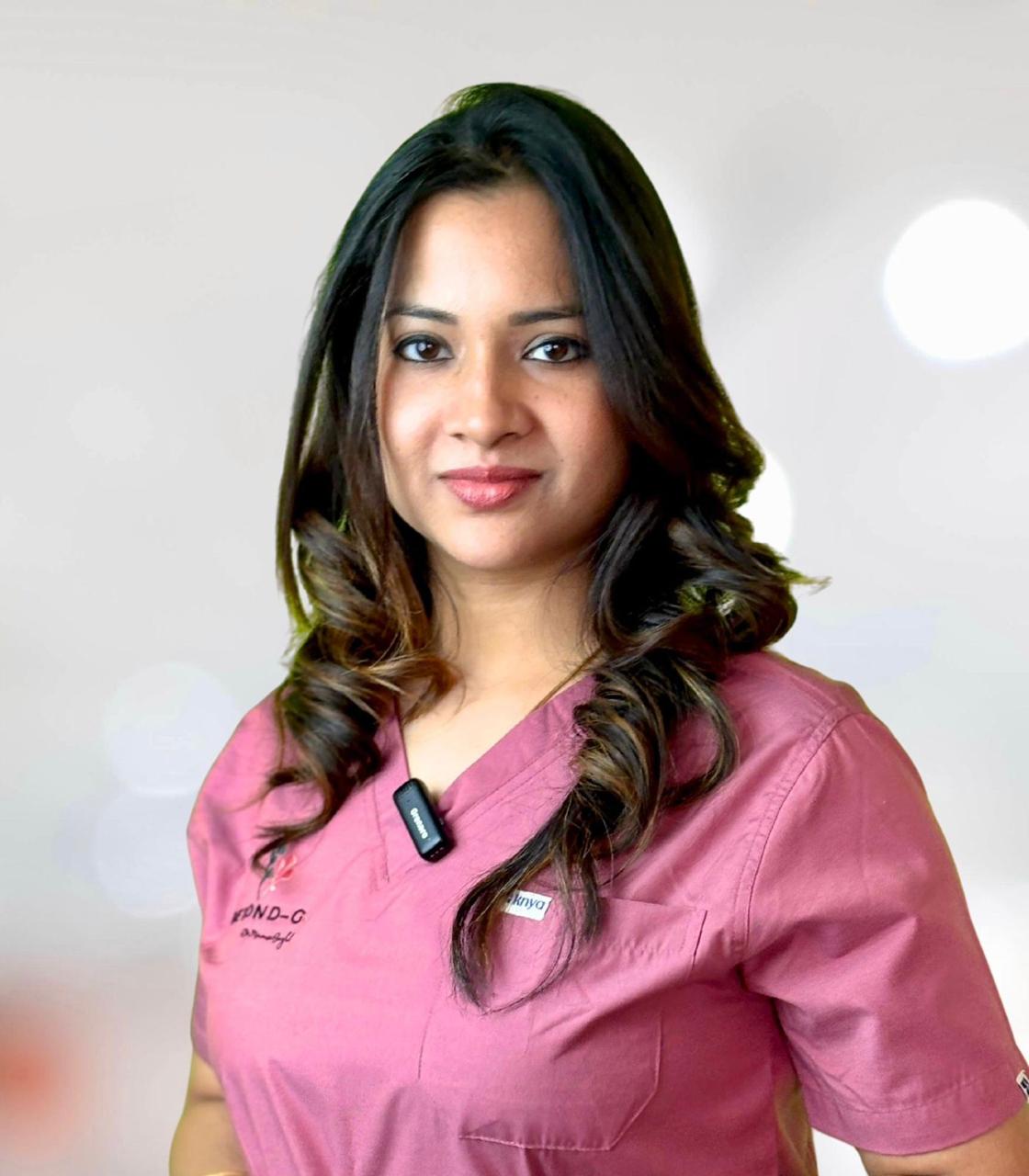
MBBS, MS (Obstetrics & Gynaecology)
Antenatal care, delivery, laparoscopic gynaecology and women’s health. OPD: Monday to Saturday, 10 am – 4 pm.
A little preparation helps us make the most of your appointment.
Tick off as you pack:
Costs depend on the tests and treatment you need. Ask our team for a written estimate before planned tests, procedures or admission.
*Coverage depends on your policy and the treatment. Our insurance desk can check this for you.
Call 0522-666-4444Usually every 4 weeks until about 28 weeks, every 2 weeks until 36 weeks, then weekly. High-risk pregnancies need more frequent visits.
Many women can. It depends on the reason for the first caesarean, the type of scar and how the current pregnancy progresses. Your doctor will discuss it with you.
Yes. Options include an epidural, which our anaesthesia team can provide, as well as other methods. Ask your doctor during your antenatal visits.
No. Small fibroids without symptoms often need only monitoring. Treatment depends on your symptoms, the size and position of the fibroids and your plans for pregnancy.
Most women go home in 1–2 days and return to light activity within 2–3 weeks, with full recovery in about 6 weeks.
Usually from age 25, every 3–5 years until 65, as your doctor advises.
Yes. Our gynaecologists are women doctors.
Call 0522-666-4444 or use the request call back form on this page. In a pregnancy emergency, come straight to the 24×7 emergency department.
No matching term. Please ask your doctor at your next visit.
Speak with our women’s health team. In a pregnancy emergency, come straight to the 24×7 emergency department.
Medical information disclaimer: This page provides general health information for patients and families. It is not a substitute for a consultation, diagnosis or treatment by a qualified doctor. Treatment decisions depend on each patient's individual condition. In an emergency, call 0522-666-4444 or go to the nearest emergency department.
About this page: Prepared by the Charak Hospital web team with the help of AI writing tools, using information from the Department of Obstetrics & Gynaecology, Charak Hospital & Research Centre · Last updated: October 2026